AI pioneer calls for Australia's 'extractive' copyright laws to be weakened
Seven years after Jeremy Howard's research helped inspire OpenAI's precursor to ChatGPT, he argues copyright protections have grown more powerful than intended due to corporate lobbying.


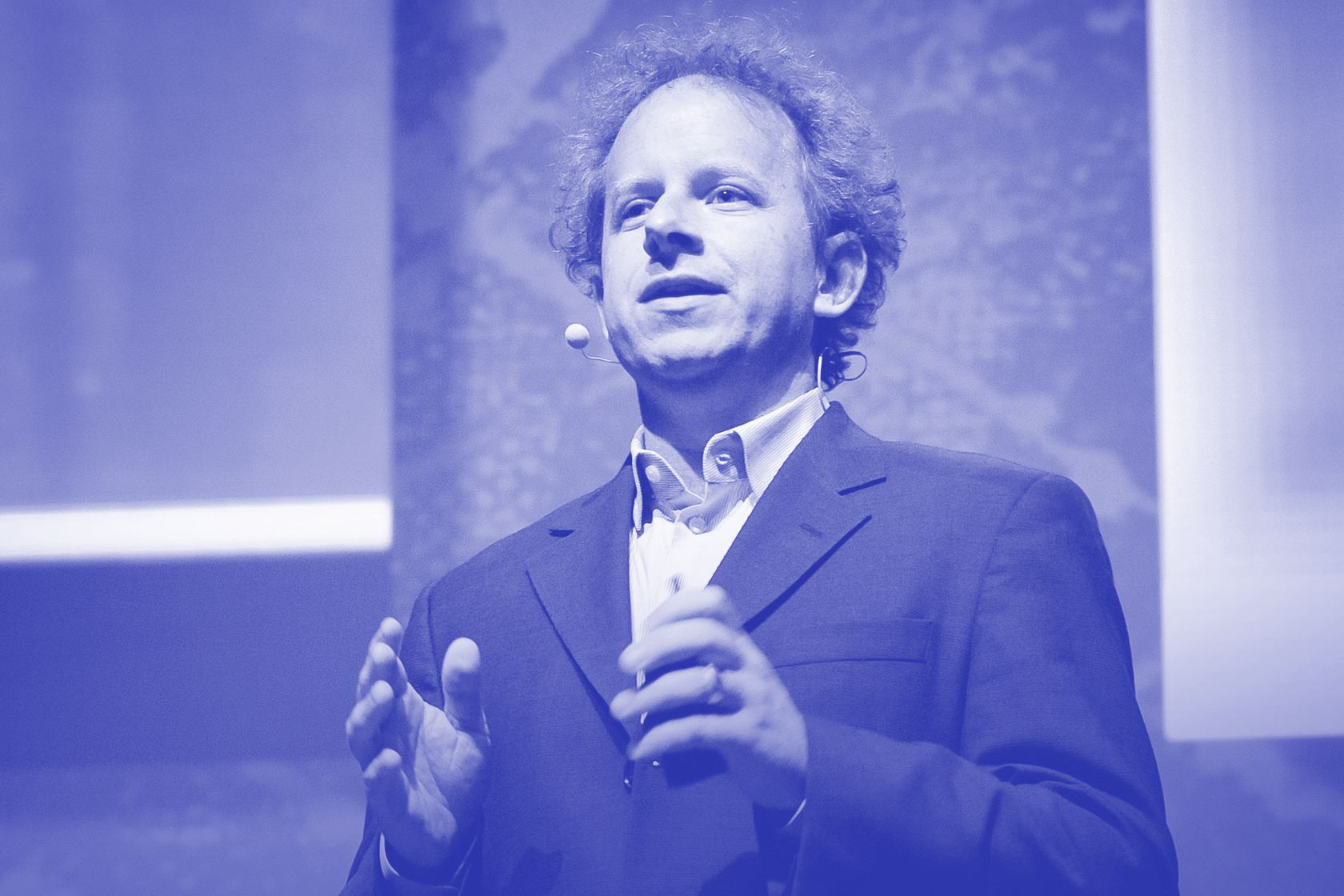
A pioneering Victorian AI researcher whose work inspired ChatGPT has backed Scott Farquhar’s push to loosen copyright laws “at least” in line with the United States.
Calling existing copyright rules “purely extractive,” Answer.ai founder Jeremy Howard told Capital Brief that relaxing them would only mean diminishing power they were never meant to have.
"Copyright has its place, but it's gone far beyond the original plans for it thanks to corporate lobbying," Howard said on the sidelines of the Actuaries Institute's AI Con event, where he was keynote speaker. "Copyright has been created by Big Copyright. It used to be called the Mickey Mouse law because it was created in order to maintain the profits of Mickey Mouse."
The original copyright laws instituted in Britain granted book authors exclusive rights to their works for 14 years, after which those rights would expire and the work would enter the public domain. Those protections grew to up to 42 years by Australia's Federation, and today they last 70 years after the creator's death.
