
The AI bubble may be real, but Australia should focus on where the business case is already starting to stack up.

Ideas is where we publish opinion and analysis from external contributors on the most important topics in the new economy.
The AI bubble may be real, but Australia should focus on where the business case is already starting to stack up.

Australia has laid the groundwork for digital asset reform. The next step is clear, payments-aligned rules for stablecoins.
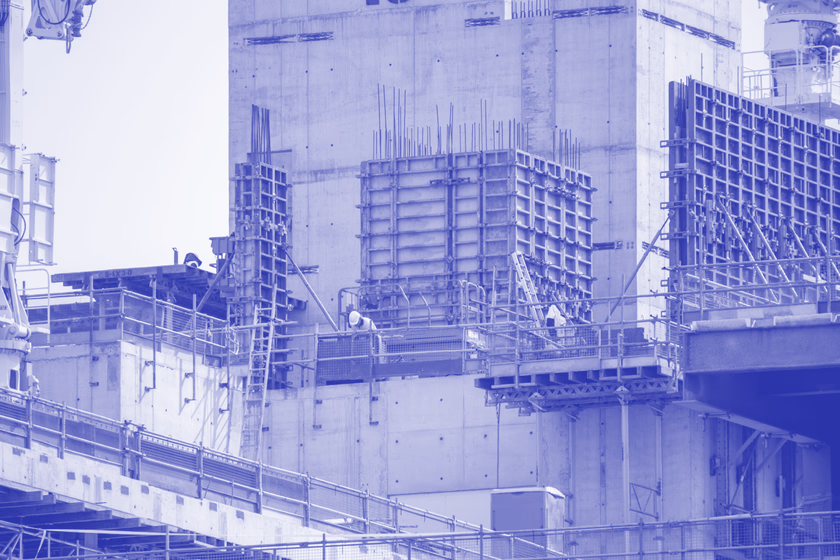
Australia’s builders may be past the first insolvency wave, but rising input costs and tighter regulation point to deeper structural risk.

We have become a global exporter of ideas and technology. Now we need to fund the conditions that make more outliers possible.

Our AI future will depend less on so-called ‘sovereignty’ and more on knowing where we hold leverage in an increasingly volatile global market.
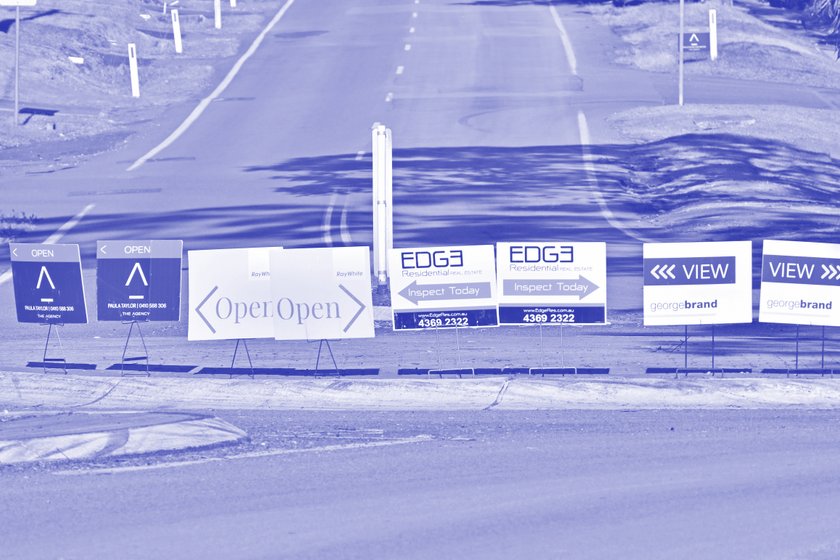
The government’s tax reform plan has attracted a sharp response from investors, but it could go some way to alleviating the housing crisis.

Australia is a sporting superpower, except in its most popular sport. Here is how to fix that.

Labor’s 1942 centralisation of income tax stripped the states of their fiscal sovereignty. As it courts Australian startups and businesses, New Zealand is exploiting the vacuum.

AI agents are about to make managers of us all. The job that won’t scale is the one they can’t teach us: knowing what to keep and what to kill.

Our music is not free training data. We have to protect the right of artists and rightsholders to be paid for their work.

Governments keep promising to cut red tape, and sometimes they do. But the far harder job is changing the incentives that make regulation the easy answer.

The tax reform in the budget deserves scrutiny. But it won’t end aspiration, entrepreneurship, equity markets or Australia as we know it.

Australia can lift productivity by cutting duplications, speeding approvals and making the economy easier for firms, workers and investors to move through.
If every reform is treated as a betrayal, we risk preserving a tax system that is less fair, less efficient and less future-ready.
Instead of treating tax reform as the only thing worth talking about, we should focus on why our enormous savings pool isn’t flowing to great founders.

The proposed 10-year RDTI cap misunderstands the long commercialisation timelines behind biotechnology and medical technology.
We’ve heard a lot about tech. But any reforms risk excluding bootstrapped professional services founders, despite the value they create.
The gap between housing expectations and clearance rates is wide, and the way it resolves could have significant implications for investors.
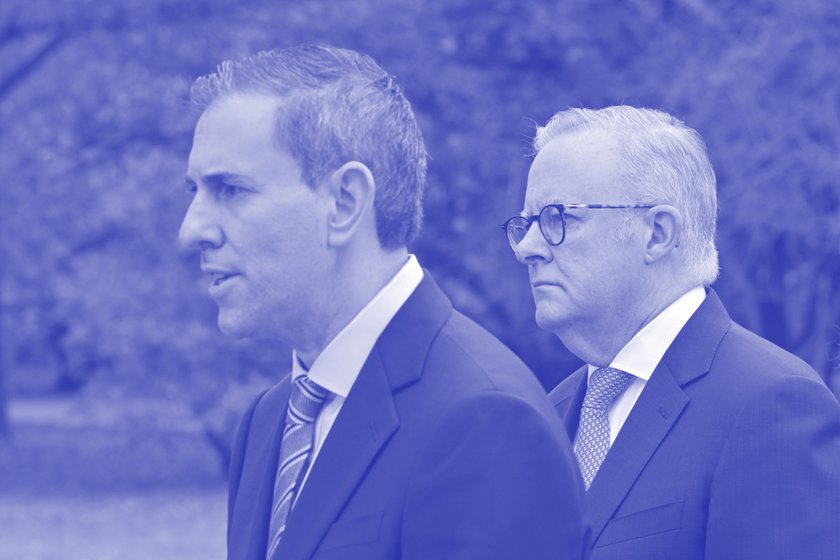
Despite the framing, the budget falls short on shoring up Australia’s economic prospects and creating a fairer path to home ownership.

We should applaud the budget for trying to shake us out of complacency on housing. But higher taxes on productive assets risk killing Australia’s alternative future.
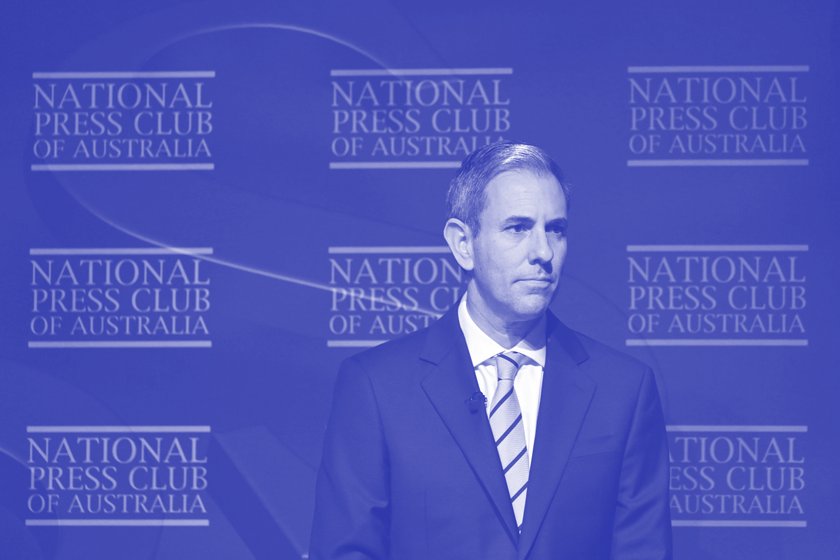
Young Australians need a credible path to wealth. Instead, this budget protects existing property owners and taxes risk-taking harder.

Forget the tax debate. The budget’s real housing reform is a $2 billion push to scrap rules that make it illegal to build homes.
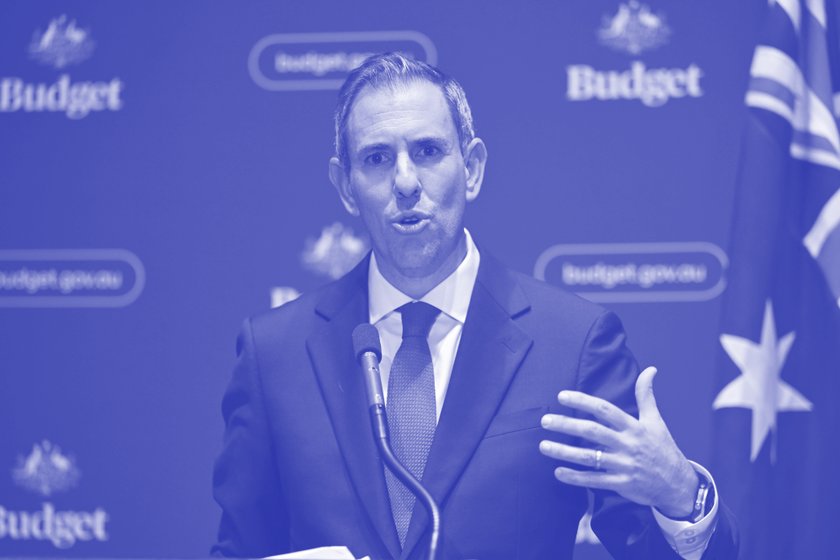
Tech’s loudest voices say capital gains tax reform will stifle innovation. But founders also need local capital, affordable housing and room to take risks.

Tonight’s budget will be about resilience. To really achieve that, we need to fix markets, rebuild trust with industry and mobilise private capital.

Space underpins Australia’s economy, security and infrastructure, yet we rely on assets we don’t own and can’t replace.
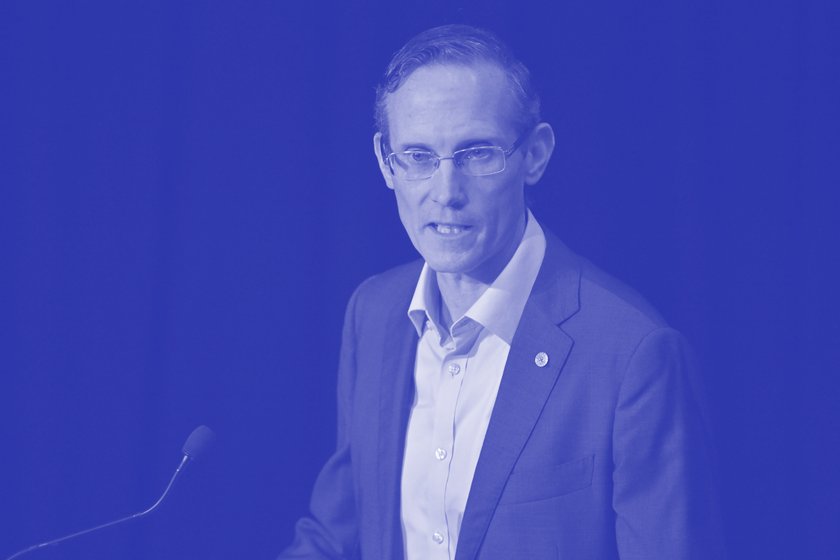
AI’s biggest productivity gains may come not from moonshots, but from helping small businesses save time, cut waste and compete.

The founders of AI companies have repeatedly told the public their product could replace them or worse. Now they seem baffled when people take them at their word.
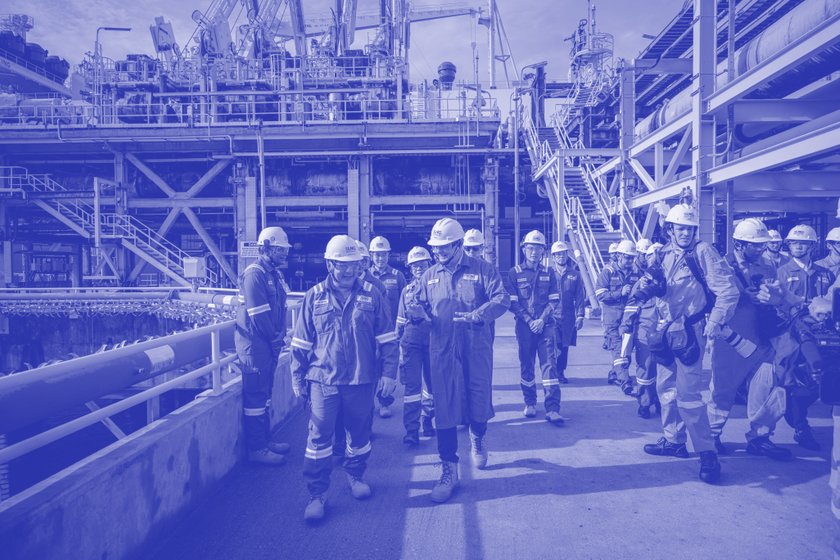
Australia deserves a fair return from gas, but PRRT reform would do more than a blunt export tax to protect supply and investment.

Alternative protein’s first wave of startups proved the products were possible. The next wave has to make consumers actually want to buy them again.
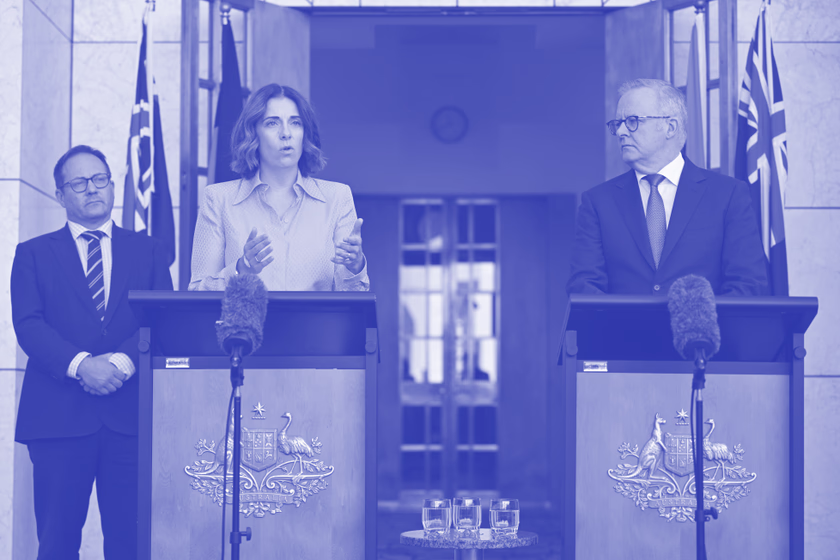
The new media bargaining regime is meant to support journalism. Without key fixes, it could strengthen the giants and sideline independents.

Without credible guardrails to contain spending and debt, Australia risks leaving the next generation with a weaker economy and fewer options.

Australia is producing world-class growth companies, but weak public markets mean too much of their long-term value is ending up offshore.

If Australia is serious about productivity, it needs more small businesses to adopt AI confidently and at scale across the economy.

The local company behind Kick has built a global audience pipeline for manosphere creators, and drawn remarkably little attention at home.

Australia’s economy runs on diesel, but the country still lacks the storage needed to weather the next major disruption.
Meritless, AI-assisted claims are straining the Commission, delaying decisions and diverting resources from cases that matter.

A $24 billion digital finance opportunity is well within reach, but Australia will need industry and government moving together to capture it.

Australian founders are still highly ambitious. The current market just demands more patience and runway.

Conference agendas are too often built around prestige rather than genuine usefulness. The best speakers are usually the ones with real, current experience.

We’ve seen this before and learned nothing. Australia remains dangerously exposed on fuel and fertiliser, with no change in the playbook.

Your email address will be stored in accordance with our privacy policy.