Australia’s green transition is a matter of national security
We remain exposed to shocks like the conflict in the Iran, which is affecting everything from diesel to fertiliser. A faster, more strategic green transition can help.


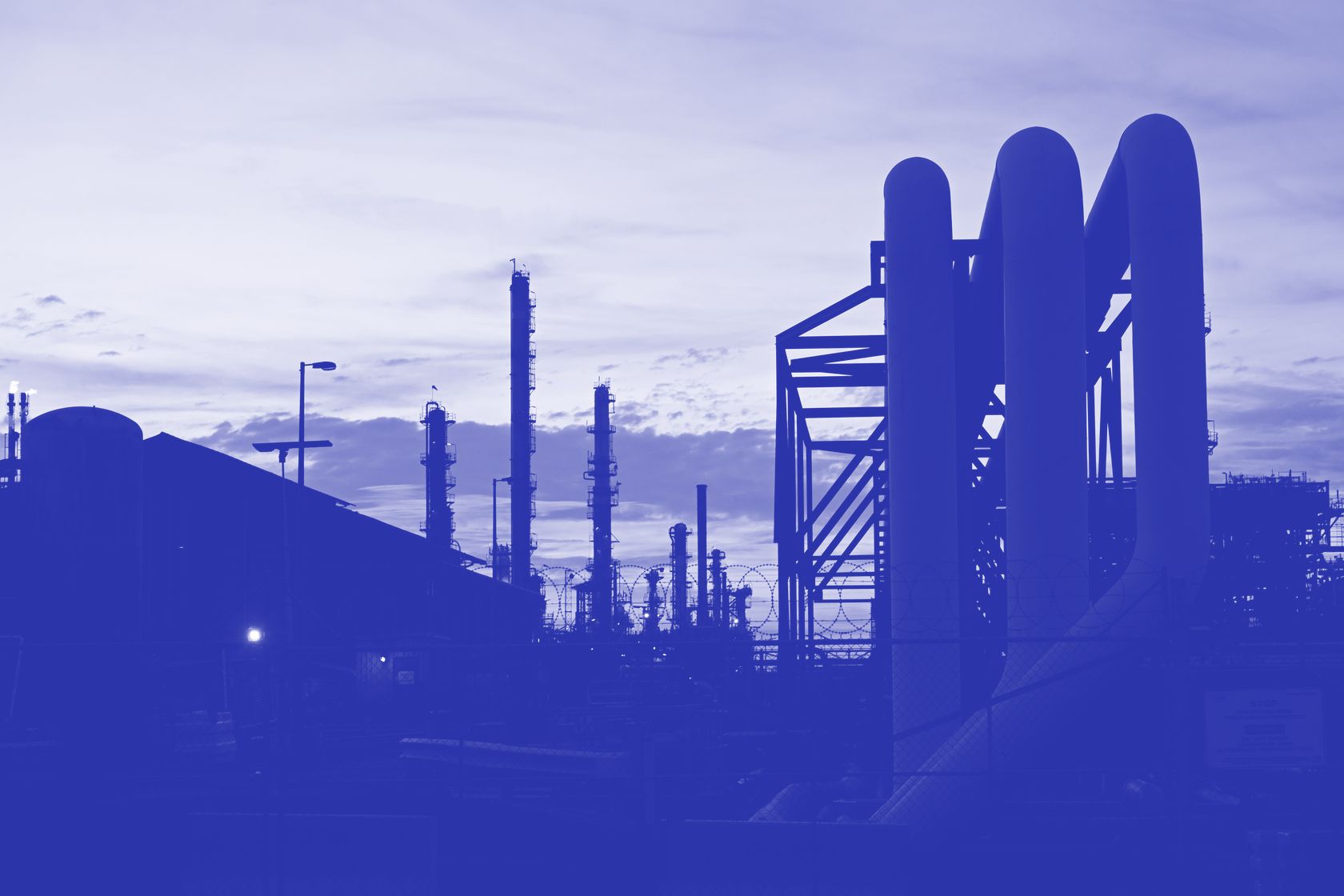
Instability in the Middle East is once again rippling through global supply chains, tightening oil markets, lifting diesel prices and driving up fertiliser costs. It serves a reminder of how exposed modern economies remain to shocks far beyond their shores.
For Australia, this should be a moment of clarity.
Diesel and fertiliser are not abstract commodities. They underpin food production, freight and economic stability. When global supply chains come under strain, focus naturally turns to our sovereign capability.
Australia’s electricity grid is undergoing the largest transformation in its history through the rapid greening of the power system. That change is of critical importance. But if we want to protect ourselves from energy shocks triggered by distant conflicts and strengthen our strategic autonomy, it needs to happen faster and with greater industrial intent.
We obviously cannot electrify everything overnight. Indeed, in agriculture there is growing recognition from government and the farming community that full electrification may not be feasible in the near term. Heavy machinery, long operating hours and regional constraints make this a complex transition.
