Australia's slow burn to cleaner aluminium smelters
Aluminium is one of the most important metals in the green economy due to its use in EVs and solar panels, but also one of the dirtiest. Smelters are now embarking on multi-year journeys to reduce their product's carbon footprint.


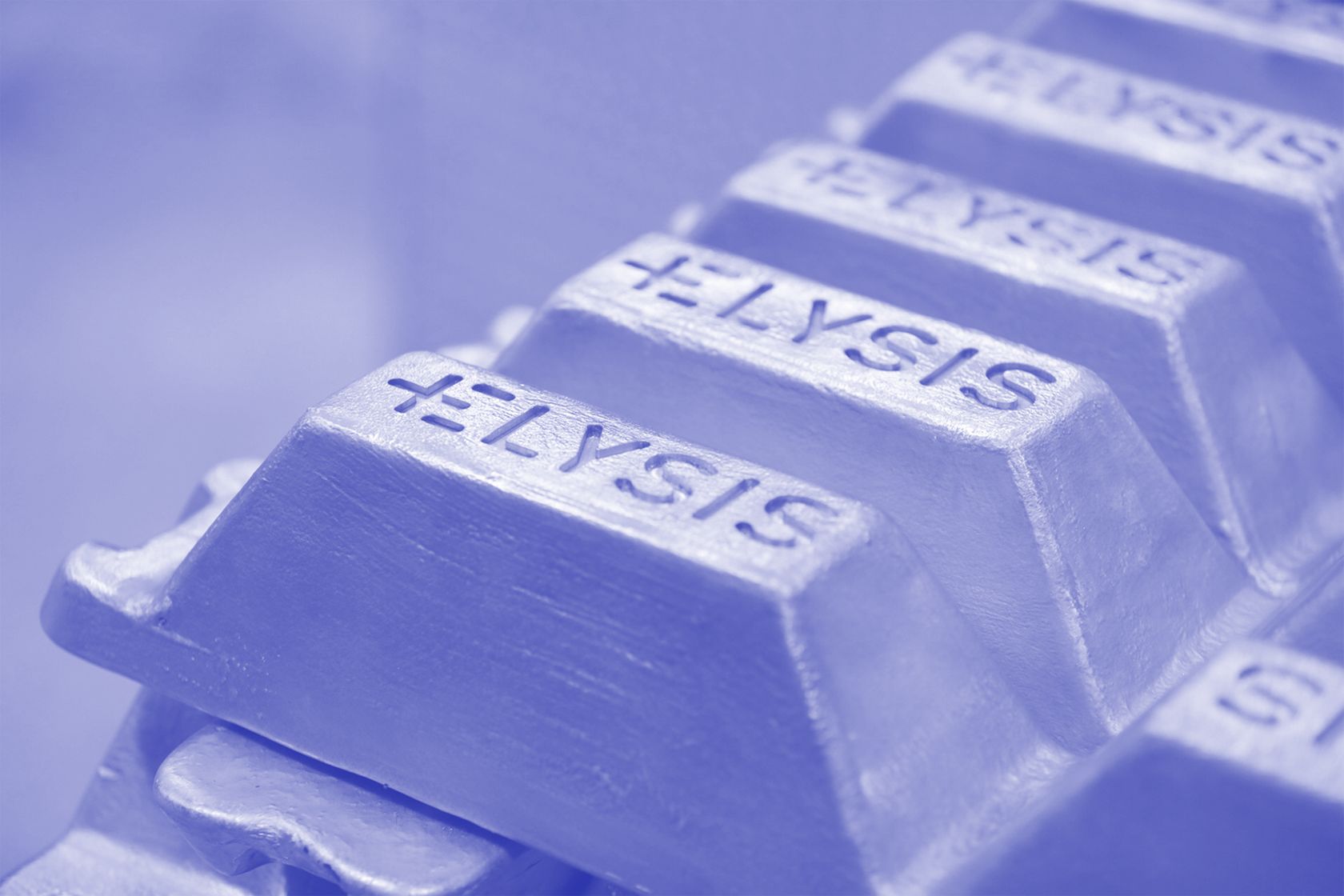
Australia is the world’s largest producer of bauxite and the second-largest refiner of alumina, the building blocks of aluminium.
Yet the sector’s emissions intensity — which comprised 7% of Australia’s entire carbon footprint in 2021 — is prompting fabricators of aluminium products to look elsewhere for raw materials from overseas countries rather than use the carbon-heavy local version.
Capral Aluminium, the country’s largest aluminium extruder, which takes aluminium “pillets” made in smelters and bends and shapes them into sheets of metal in all different shapes and sizes, says it now imports large quantities of raw materials from regions that don’t smelt aluminium using electricity from coal-fired power plants to meet customer demand for lower-carbon options.
Capral has trademarked two varieties of what it terms “low-carbon” aluminium — the one produced using aluminium from New Zealand’s Tiwai Point smelter has the lowest emissions intensity because the facility runs on hydropower. A second product uses aluminium sourced from the Middle East where the main power supply is a gas-fired generator.
