Both major parties are targeting 'middle Australia'. But who is that these days?
Most people think they're part of "middle Australia", which is why politicians like to target their messaging at this group. We looked at the data to find out who actually fits the description.


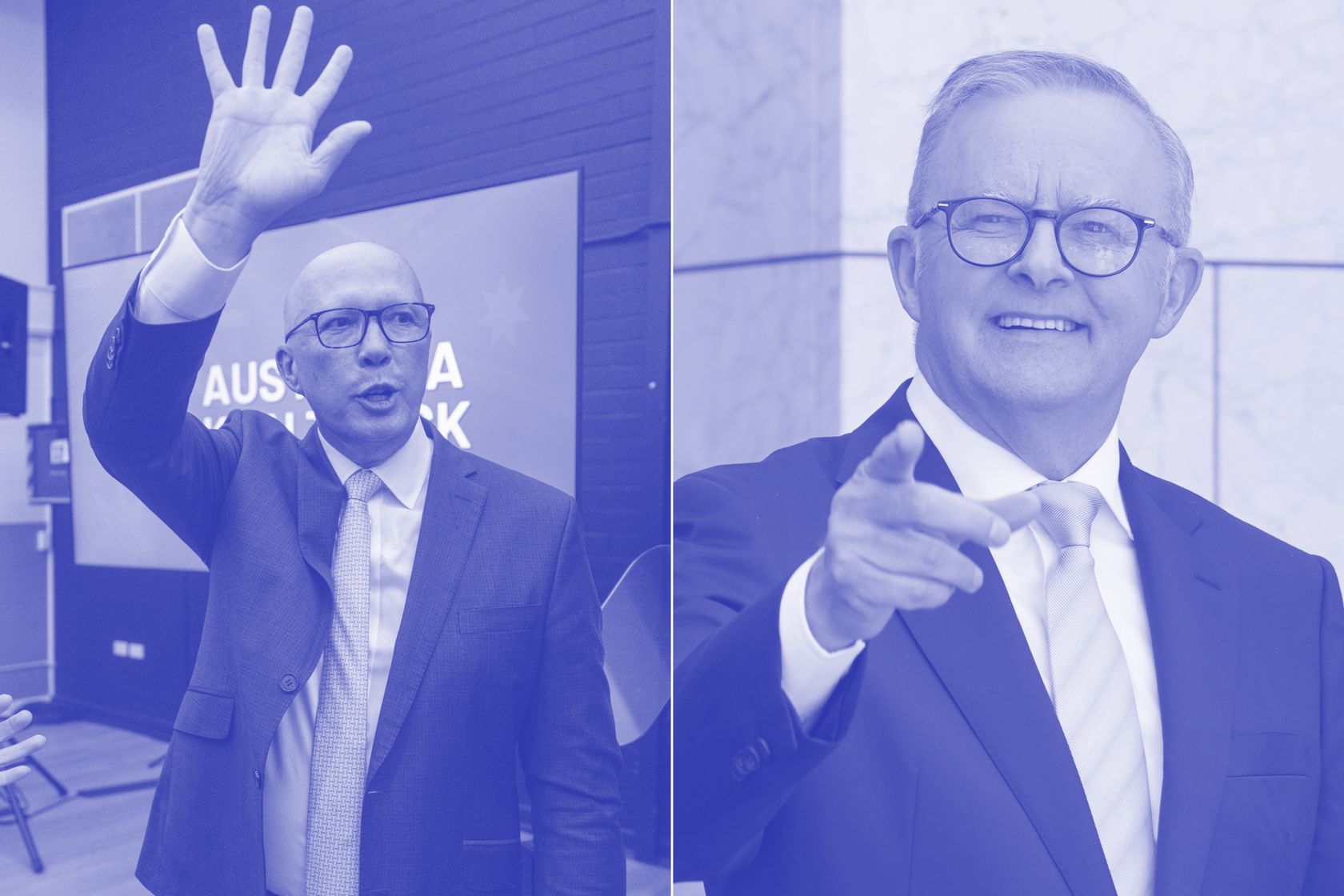
When Opposition Leader Peter Dutton stood up to deliver his 40-minute election year pitch a fortnight ago, it was widely interpreted by the media as an appeal to “middle Australia”.
Dutton criticised the Albanese government for having the “wrong priorities”, claiming his opponents had focused on the agendas of inner-city Greens voters, activists and union bosses, rather than “everyday Australian workers, families and small businesses”.
Labor has taken a somewhat similar approach over the past year in its appeal to the typical household. At the start of 2024, Prime Minister Anthony Albanese amended the stage 3 tax cuts and made clear this was intended to better benefit low- and middle-income earners. His first major speech last year, at the National Press Club to announce these changes, was titled "Middle Australia".
“Middle Australia are doing it particularly tough,” he said at the time.
This focus on those in the “middle” of the nation has endured over the past 12 months. Take Treasurer Jim Chalmers' media statement in June, where he said the “mums and dads of middle Australia will be among the biggest beneficiaries of our tax cuts and energy rebates”. And Home Affairs Minister Tony Burke, who leaned heavily on this group when hitting out at Dutton about geopolitical affairs.
