Carbon capture and storage faces moment of truth in 2024
Carbon capture and storage has divided the clean tech community for years. But there's growing support for its use in hard to abate sectors. And one of the biggest projects in Australia to date, by Santos, is set to go live in 2024.


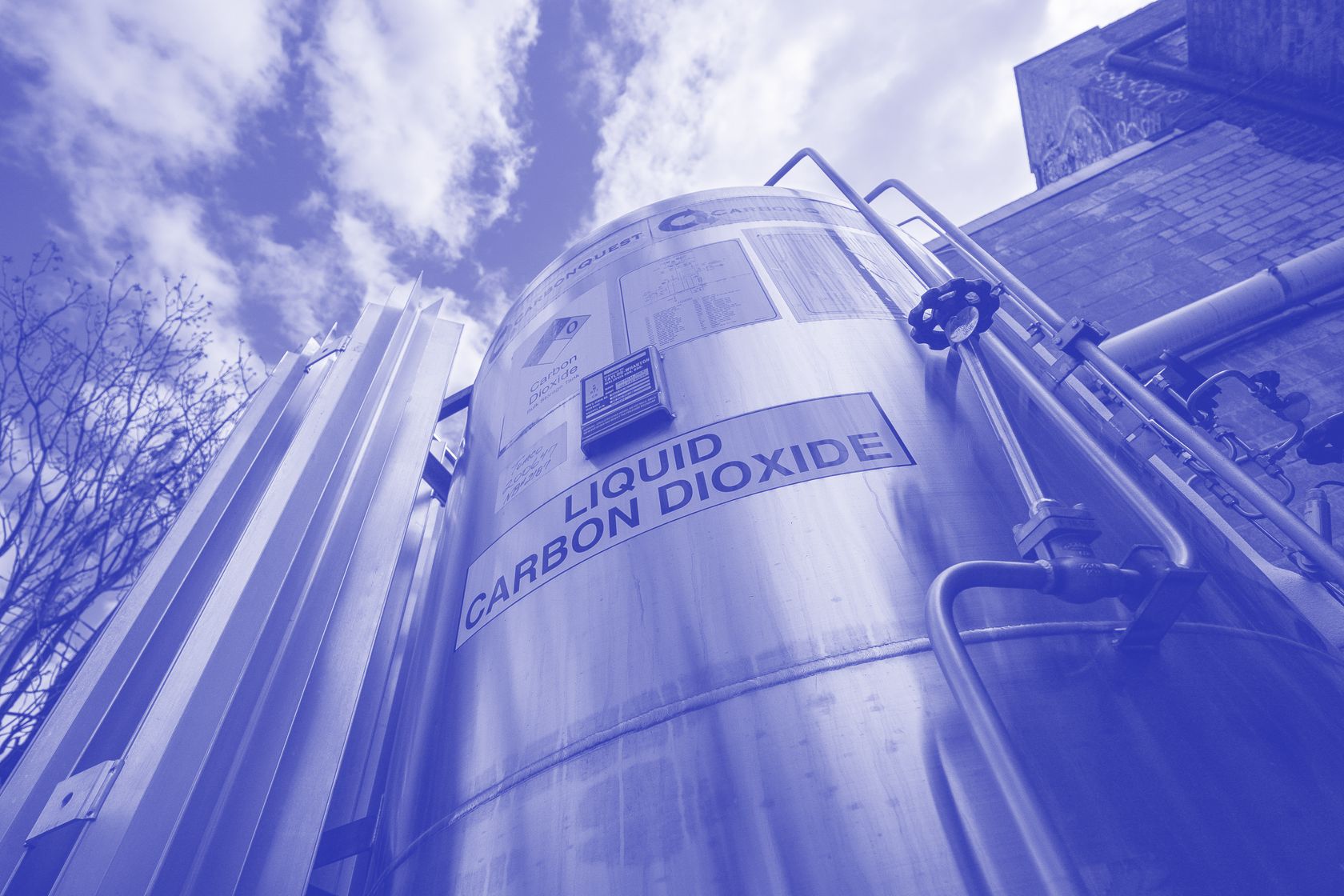
Of all the technologies that are emerging to solve climate change, carbon capture is among the most controversial.
The moral hazard argument goes that carbon capture is akin to a “licence to pollute”, and that if it is available it will enable fossil fuel companies to carry on business as usual, instead of investing in ways to reduce their emissions.
But a growing number of scientists and entrepreneurs say that with more than 400 parts per million of CO2 in the atmosphere and rising, methods to remove carbon from it are going to be required to tackle humanity’s historical emissions that are already contributing to the greenhouse effect.
Moreover, commercial-ready solutions for hard to abate industrial products such as cement, fertiliser, steel and plastics are still for the most part, up to a decade away.