Chalmers’ cost-of-living bet could put him on a collision course with the RBA
The stakes have never been higher for Treasurer Jim Chalmers, with his third budget containing cost of living measures that are far from certain to work.


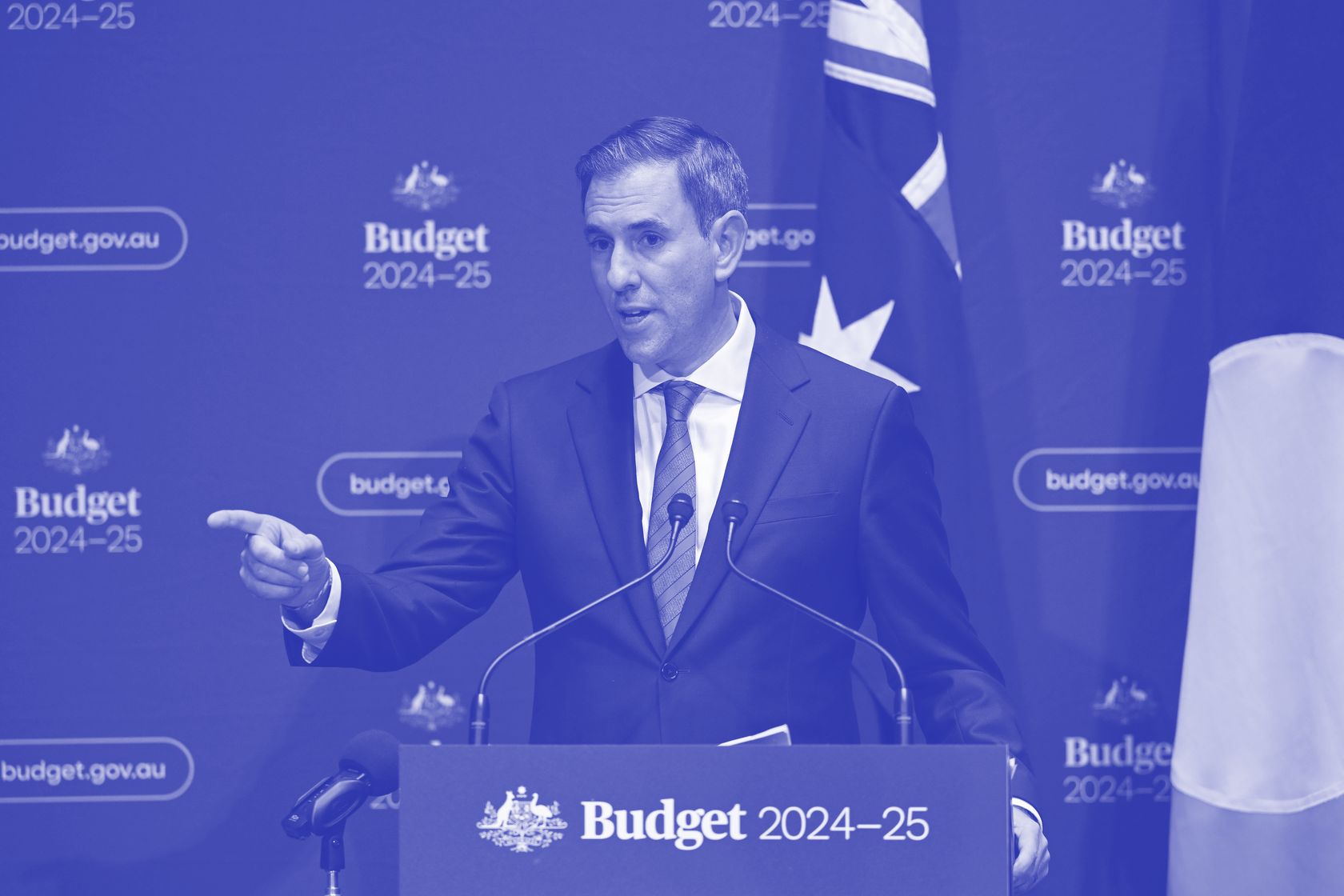
If there was one key question for economists emerging from the budget, it’s this: will the Albanese government’s cost of living measures actually work as promised and tame inflation? If not, Treasurer Jim Chalmers will soon find himself on a collision course with the Reserve Bank of Australia.
Chalmers has positioned his third federal budget as a symbol of the Albanese government’s strong economic management. But while he will deliver the government’s second successive surplus, the forward estimates reveal deficits as far as the eye can see.
Those deficits will be driven by spending initiatives, some of them unavoidable (Finance Minister Katy Gallagher claims about two thirds are in this category) and some of them discretionary, but not due to a collapse in tax receipts.
Among the headline new spending initiatives are two substantial cost of living measures: a $300 rebate on energy bills for each household costing $3.5 billion in 2024-25 and an increase in rental assistance worth about $1.9 billion over five years.
