How lithium recycling can help close the loop on critical minerals
Preventing vast stockpiles of lithium batteries going to landfill goes beyond environmental concerns. Recycling them can help defray looming critical minerals shortages.


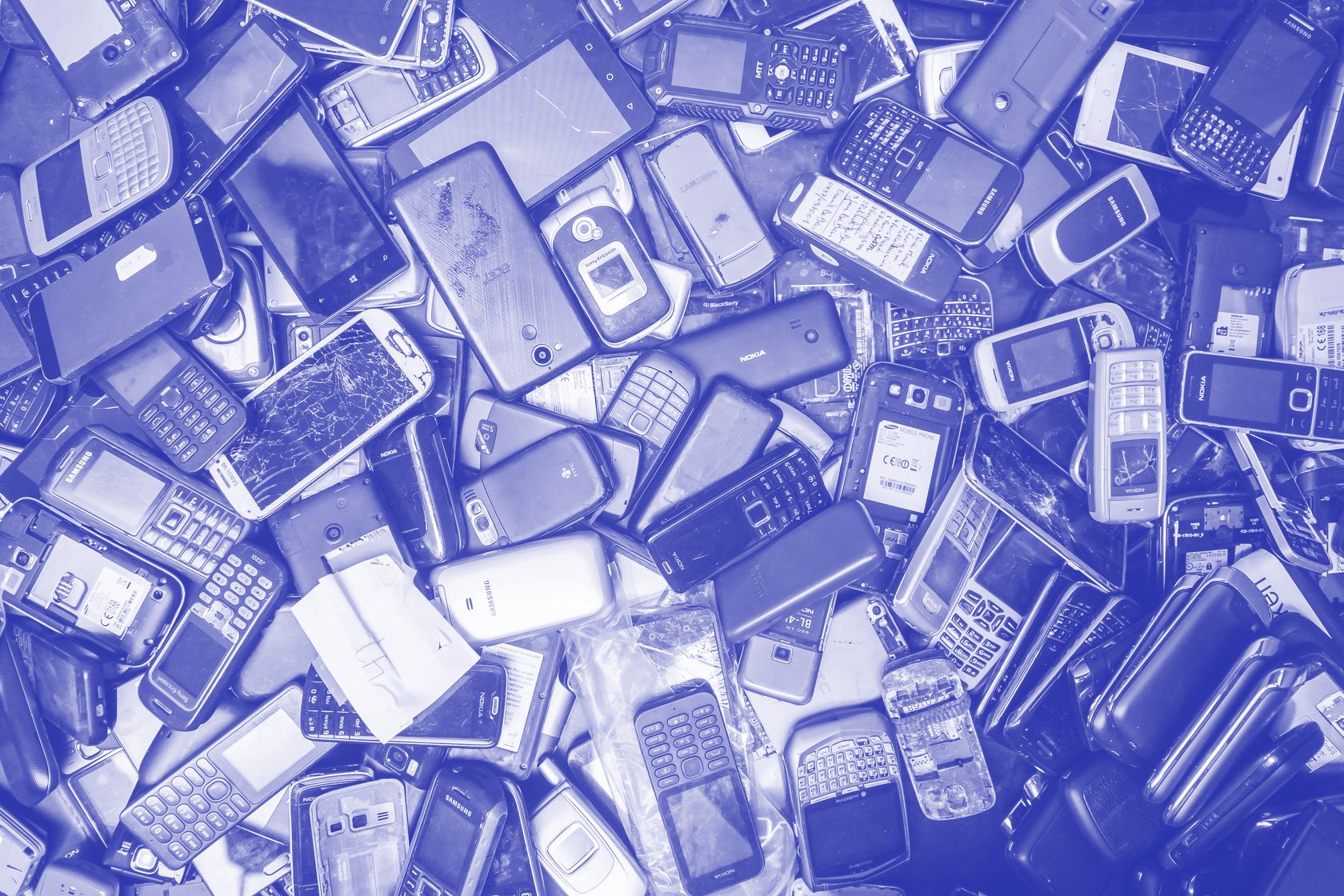
Powering everything from mobile phones and laptops to electric vehicles, the sheer ubiquity of lithium batteries is creating a new problem: what to do when they die.
While up to 98% of their components can be recycled, 90% of lithium batteries end up in landfill in Australia. The CSIRO estimates that upwards of 180,000 tonnes of lithium batteries will reach end-of-life by 2036. Globally, battery consumption is expected to grow 25% annually through to 2030, as electric vehicle adoption continues to surge, according to McKinsey.
Stuffing our landfills with so many batteries is not merely a waste of resources – it is dangerous, given that lithium-ion is highly flammable. It is also a missed economic opportunity and an important plank of reaching net zero carbon emissions.
The International Energy Agency expects demand for lithium, copper and cobalt will outstrip supply by as early as 2028. Recycling batteries helps battery and original equipment manufacturers infill supplies of critical minerals as surging demand creates shortages, while offsetting reliance on newly-mined resources.
