Despite clear differences, the UK's cost of living election could hold lessons for Canberra
Rishi Sunak's government is circling the drain. Are there any lessons for Australia?



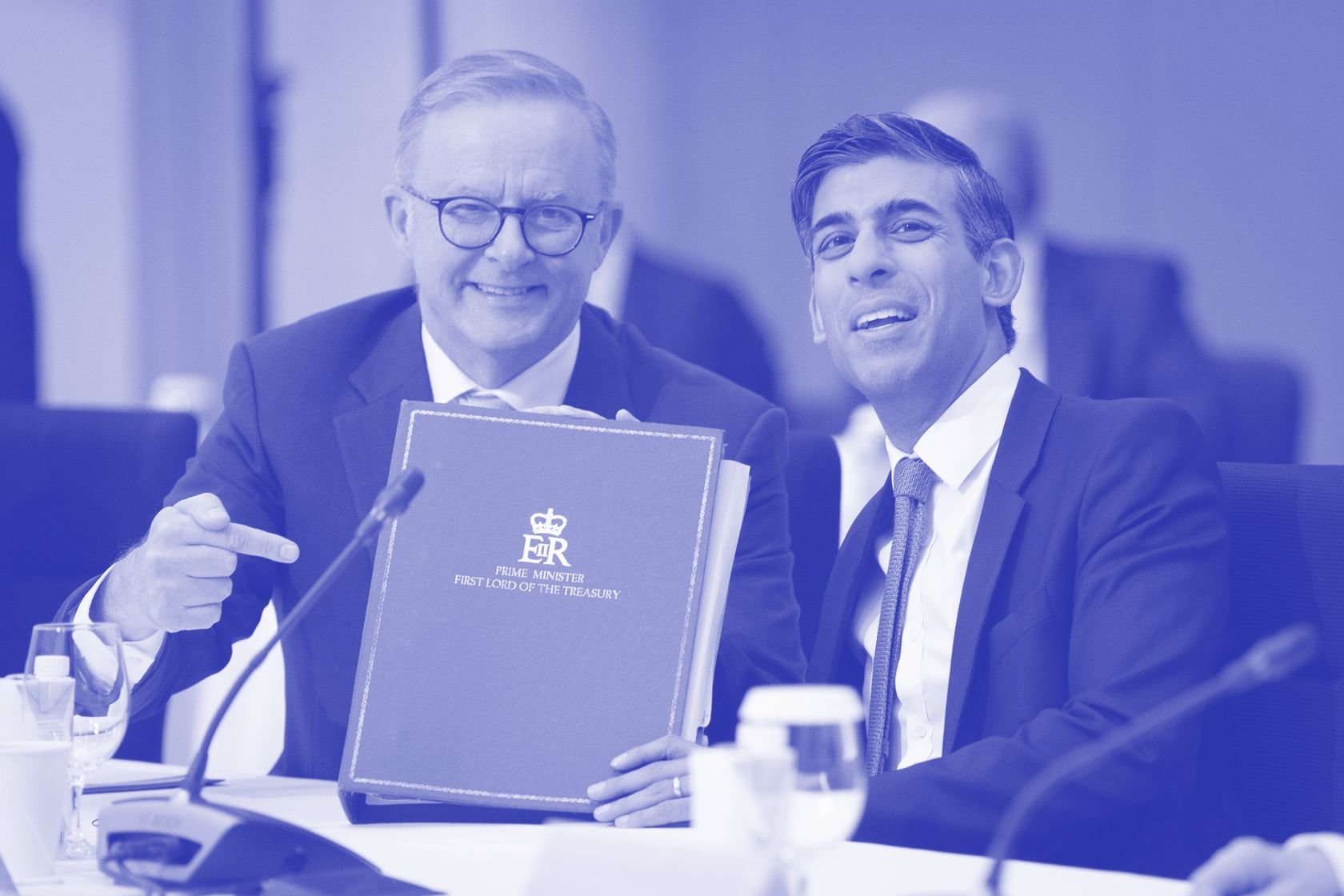
The political landscapes in Westminster and Canberra could hardly be more different right now. But UK prime minister Rishi Sunak’s unexpected decision to announce an early election during a cost-of-living crisis is still poised to deliver meaningful insights for pundits in Australia's coridoors of power.
The Tory government, now onto its fifth prime minister and in power for 14 years, is circling the drain. Boris Johnson’s scandal-plagued reign was followed by Liz Truss’ 44-day disaster. Sunak’s net approval rating is an all time low for any UK prime minister, and his government faces a potential extinction event in July. Battered by Brexit and the COVID-19 pandemic, the UK is only just emerging from a recession.
That’s lightyears away from the situation here. While Labor’s poll numbers may be sluggish, they currently show the government most likely to retain power, albeit potentially in a minority. Anthony Albanese’s position is stable internally, and he enjoys a clear lead over Peter Dutton as preferred prime minister.
But Labor may be keeping a watchful eye on the next six weeks in Britain as it mulls when to pull the trigger on the federal election. That’s in part because there is one similarity — voters in the UK and Australia have been dealing with the worst cost-of-living crisis in years.