Dissecting the debacle at Origin's Eraring coal fired power plant
New South Wales' $450 million deal to extend the life of the country's largest coal fired power station has been roundly criticised by clean energy advocates as an avoidable failure of public policy.


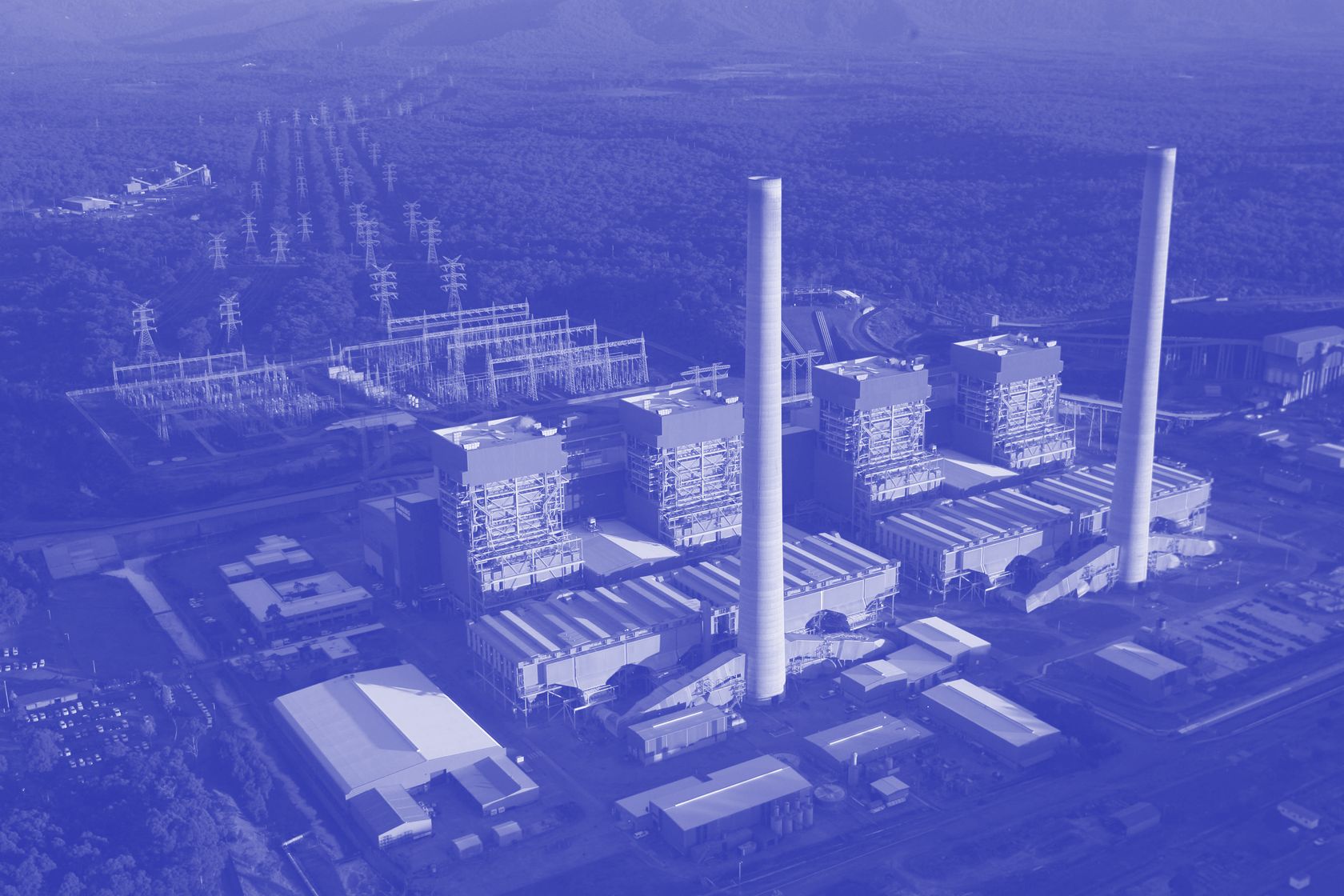
No one was particularly surprised when the NSW government revealed it had struck a deal with Origin Energy to keep its Eraring Power station open for another two years, and potentially up to four.
It confirmed what many were thinking in the months since the state government revealed it was in negotiations with the energy giant to extend the plant’s life: that it has failed to progress replacement renewable energy and battery storage projects quickly enough to prevent the reliability risks that the Australian Energy Market Operator is predicting will emerge in parts of the the National Electricity Market by the end of this year.
The government leant heavily on AEMO’s most recent electricity supply forecast in its justification for the Eraring extension, yet it did not accept responsibility for its failure to adequately plan for its closure ahead of time, despite being given substantial notice by Origin Energy.
In its analysis of the state’s potential energy resources, the government seems to have missed a trick: it has not attempted to take advantage of demand-side measures, or the distributed energy resources of the millions of solar panels installed on rooftops.
