How a coal terminal's billion dollar debt deal will test banks' ESG mettle
Moves by the Wiggins Island Coal Export Terminal (WICET) to refinance US$2 billion in debt will test Australian, European and Japanese banks' ESG policies.



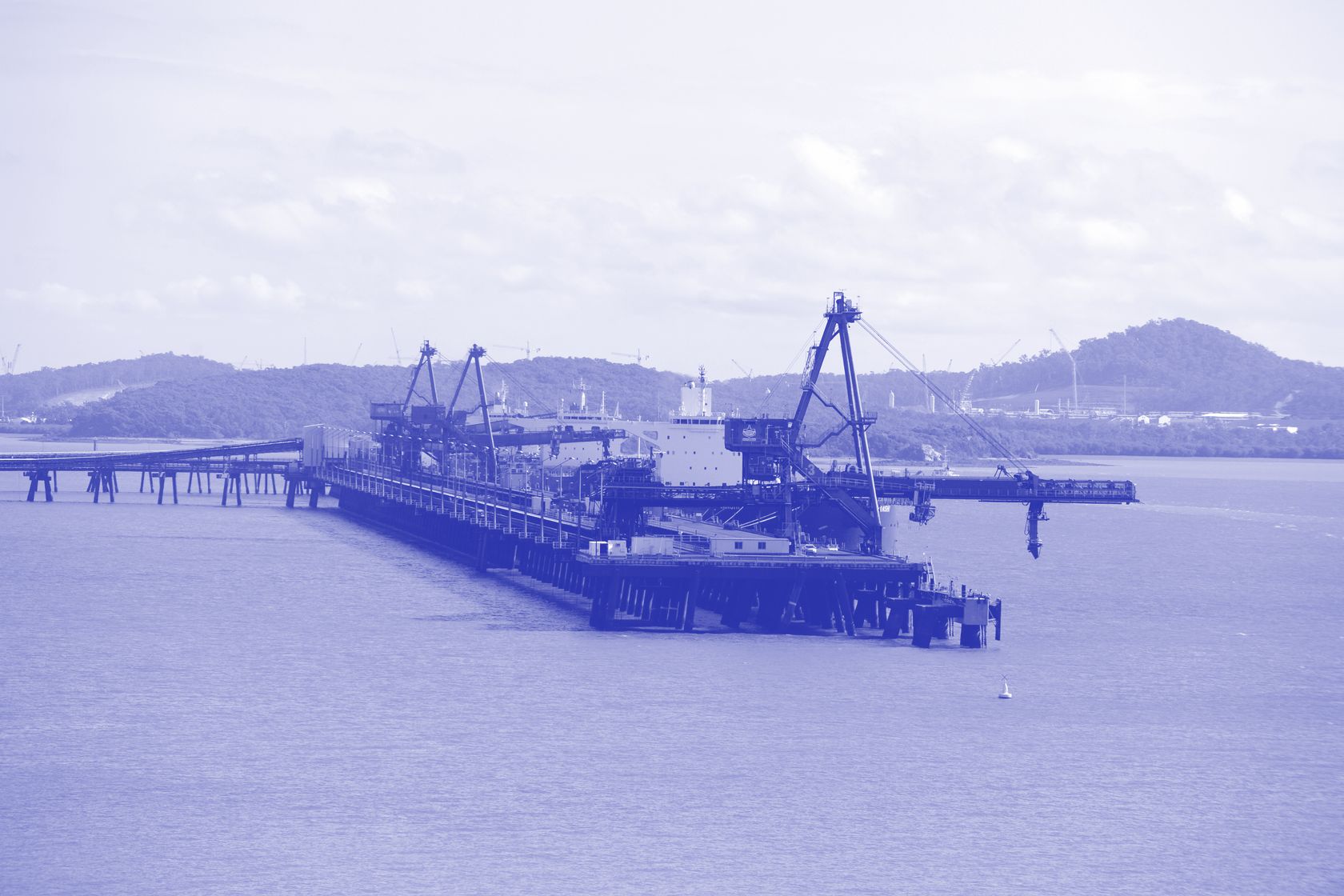
The Wiggins Island Coal Export Terminal's USD2 billion ($3 billion) refinancing deal will test the strength of Australian, European and Japanese banks' climate lending policies and comes ahead of a spate of project finance debt renewals due in the sector.
For now, lending to coal infrastructure like WICET does not contravene the environment, social and governance (ESG) policies for any of the major Australian banks, three of which are part of the terminal’s existing lending syndicate.
This is because banks have given themselves until 2030 to phase out their exposure to thermal coal (the type of coal used in electricity). WICET handles both thermal and metallurgical coal (the type used in steelmaking which is considered less replaceable).
With six years to go until 2030, banks are looking for ways to exit coal dependent assets that don’t involve them taking significant haircuts in the secondary market. The objective is to maximise profit in the short-term, and make a timely exit before the rules change.
