Carbon concerns are driving a renaissance for timber in commercial construction
The push to reduce the carbon footprint of new buildings is prompting greater consideration of embodied carbon in construction materials.


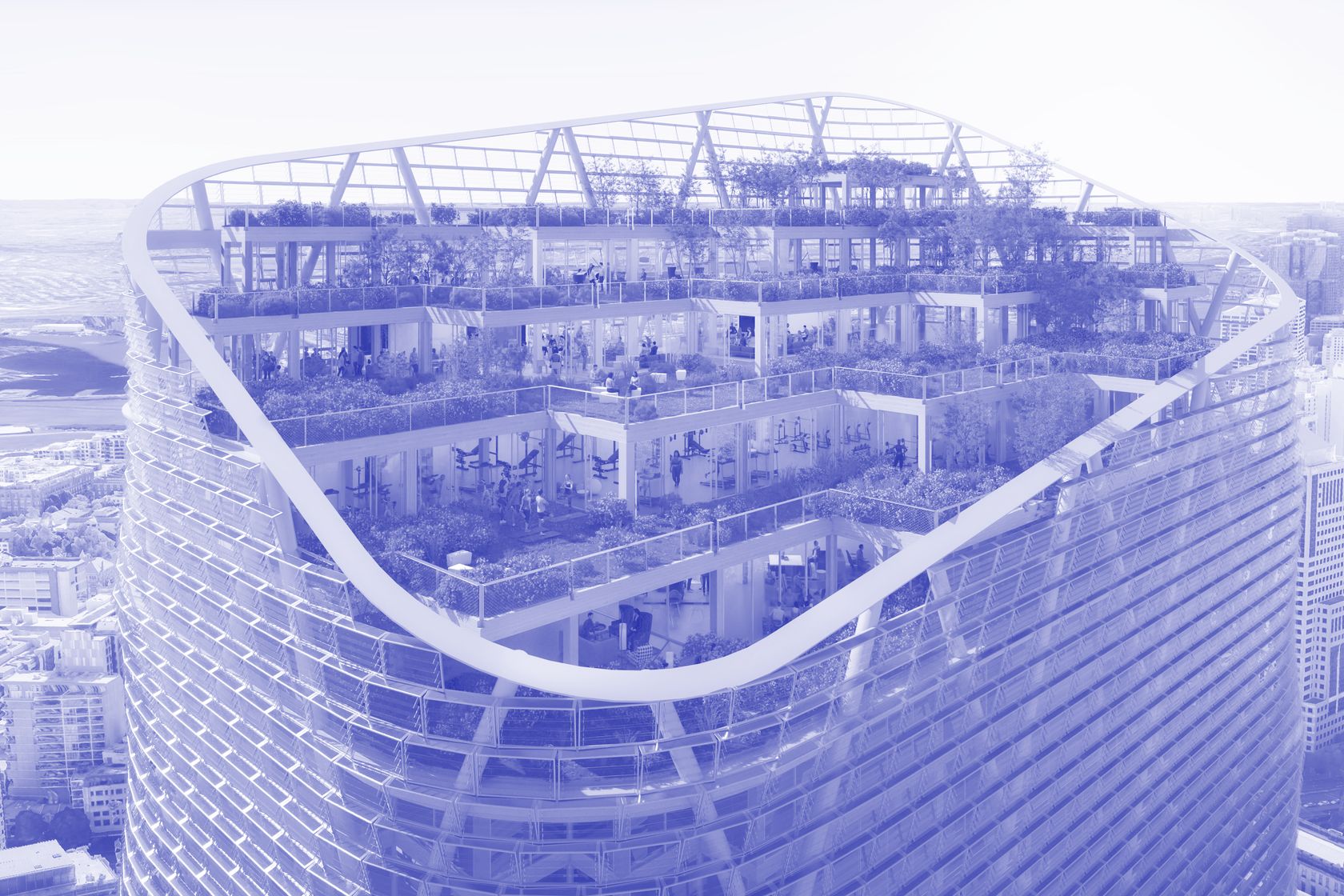
Commercial property owners have been eager adopters of techniques to make their buildings more energy efficient. Besides reducing costs, it also helps them attain higher ratings from agencies such as Green Star and the National Australian Built Environment Ratings System (NABERS).
Higher ratings in turn help owners attract tenants, who are now clamouring for even better performing buildings because it helps reduce their own emissions and propel them towards their net zero targets.
The energy efficiency drive has had an unexpected consequence: while the average building’s total carbon footprint has decreased over time, the proportion of carbon embodied in its construction materials has increased.
The embodied carbon of a material is defined as the amount of CO2 emissions released in the course of its extraction, manufacture and transport.
