JOLT, JET Charge and Ampol in a race to succeed where Tritium failed in EV charging
The race to roll out a national EV charging network has drawn an array of companies and business models. But amid stiff competition and razor-thin operating margins, not all will survive.


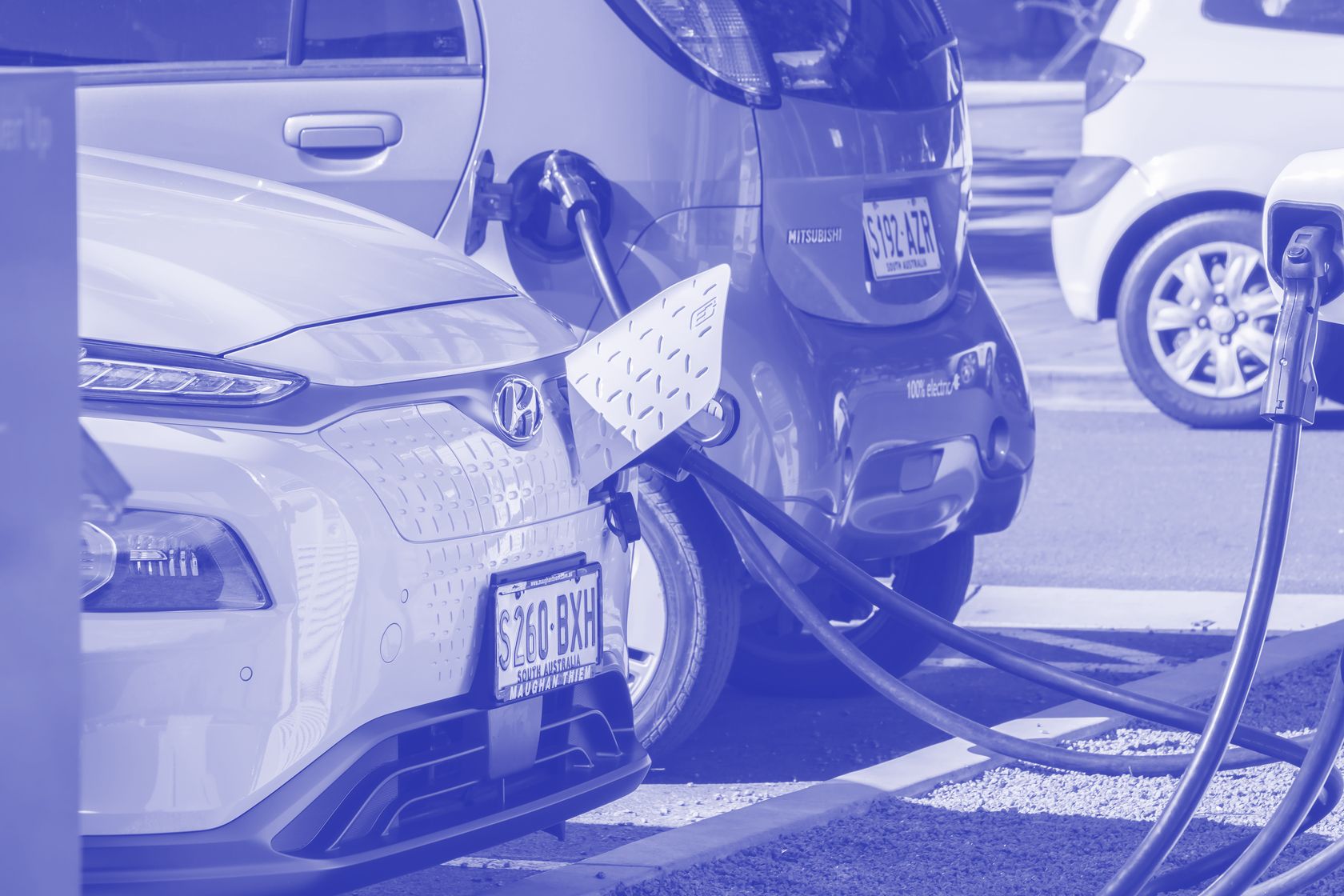
The electric vehicle transition is well under way in Australia but there's one thing that's slowing it down: the rollout of charging infrastructure to support it.
EV chargers are rapidly multiplying, with the number of sites growing 90% during 2023, according to a Next Systems report. The network still lags well behind early-adopter European countries, however, and requires substantial development.
A diverse array of companies, large and small, ranging from pure plays to retailers and fuel companies are hoping to change that, entering the race to install chargers in homes, businesses and at public places like car parks and shops.
But as the experience of beleaguered Brisbane-based EV charger manufacturer Tritium shows, the road to profitability and market share is far from straightforward, and survival in this nascent highly contested industry is far from guaranteed.
