Miners in the Pilbara eye renewable power to hit decarbonisation targets
The Pilbara, rich in solar energy, uses under 2% renewables. But bringing renewable solutions to its far-flung mining sites can be a challenge.


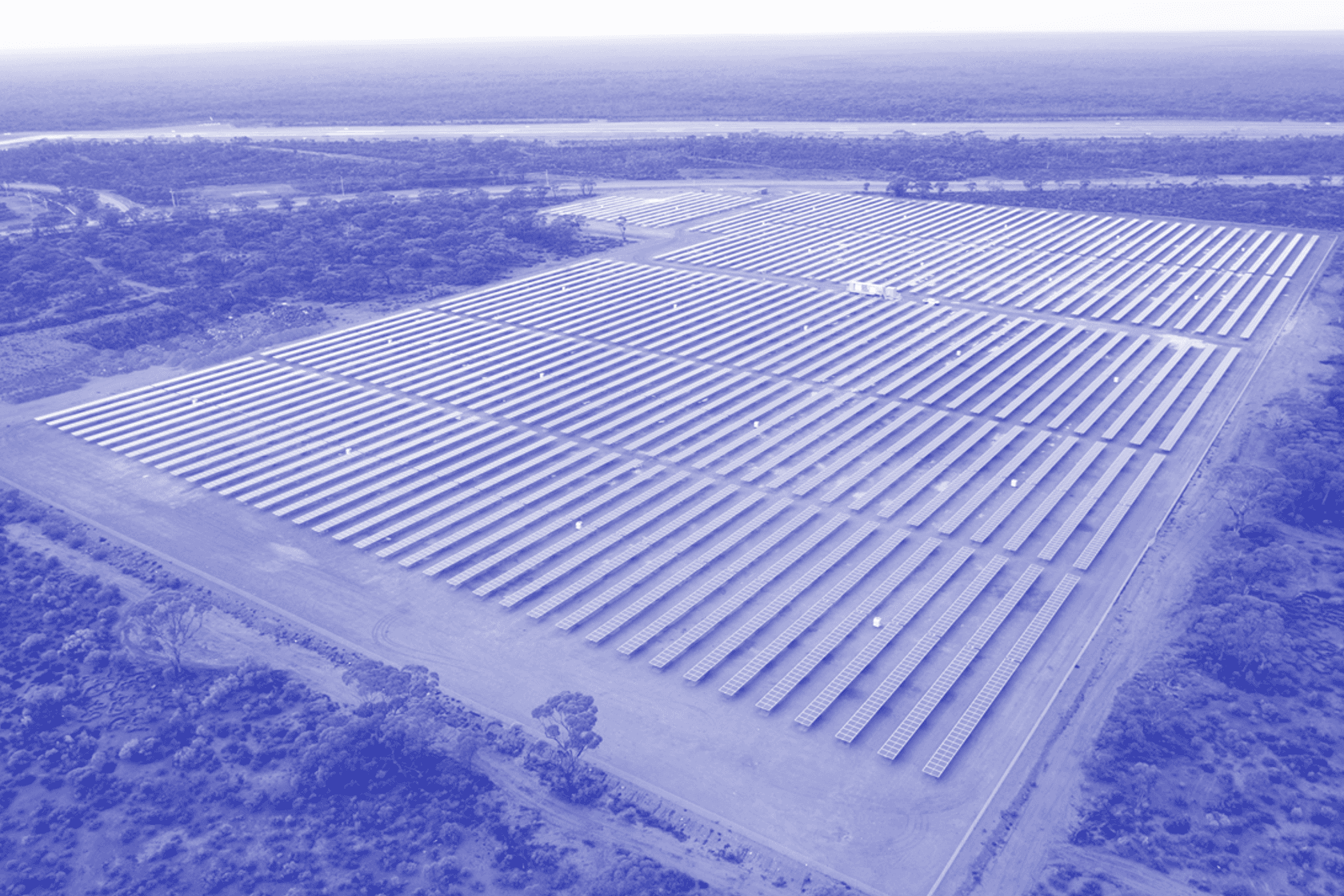
The Pilbara region in Western Australia boasts some of the highest levels of solar irradiation in the country, yet less than 2% of its electricity supply comes from renewable energy sources.
The area hosts facilities responsible for 23% of the nation’s emissions covered under the federal government’s Safeguard Mechanism. Large mining companies operating there such as Rio Tinto, BHP and Fortescue Metals Group are motivated to decarbonise, driving the push to install more renewable energy capacity to replace existing gas and diesel generators.
Due to the region’s remoteness and historical lack of interconnection, the majority of its power supplies for mines and other industrial companies are standalone and user-funded. While miners further south in Western Australia and across the rest of the country can access shared electricity infrastructure, those in the remote Pilbara region have largely had to operate independently.
This strategy was effective when fossil fuel use was the norm. Miners would connect to the existing gas network, if available, and install gas-fired turbines to generate electricity. Alternatively, off-grid locations could pay suppliers to deliver LNG or install diesel generators.
