Our fertiliser and fuel vulnerability is now impossible to ignore
We’ve seen this before and learned nothing. Australia remains dangerously exposed on fuel and fertiliser, with no change in the playbook.


Right now, nearly 500 service stations across Australia have run dry. Petrol prices have jumped 50 cents a litre in under a month.
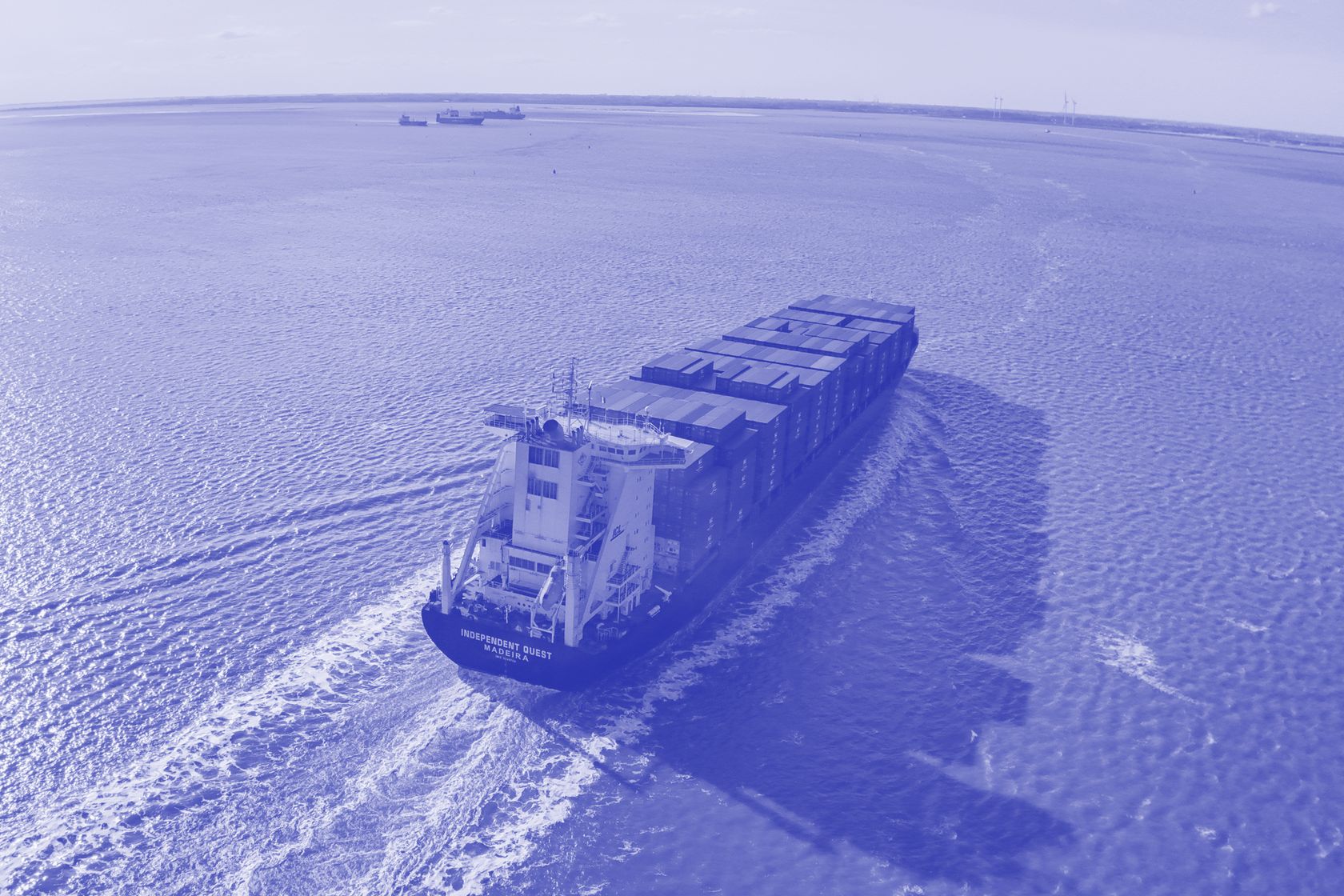
Although a fragile ceasefire has been announced, the Strait of Hormuz has been effectively closed for weeks, cutting off the route that carries roughly a fifth of the world’s oil and a huge share of the fertiliser Australia depends on to grow food. Urea prices have surged 55% since the conflict began, and farmers can’t get the inputs they need in time for critical application windows.
The OECD has singled Australia out as one of the most exposed countries on earth, because we import almost all of our fertiliser and almost all of our liquid fuel, and both supply chains run through the same chokepoints that are now shut.
We’ve seen this before, twice in the last six years, and we’ve learned nothing from it either time.
