Red Sea shock adds twist to inflation battle
Temporary supply shocks halfway round the world typically don’t worry Australian economists too much. But the Red Sea attacks are different.


Temporary supply shocks on the other side of the world typically don’t worry Australian economists too much.
But local analysts are watching developments in the Red Sea closely, adding a potential twist to the outlook for inflation just as it looked as though developed nations had gained the upper hand in the battle against rising prices.
“In ordinary circumstances I wouldn’t be that fussed,” independent economist Chris Richardson tells me. “If inflation was slow and stable, if we hadn’t had [crisis] after [crisis], the Reserve Bank would just look through it.”
But the economy right now is far from typical.
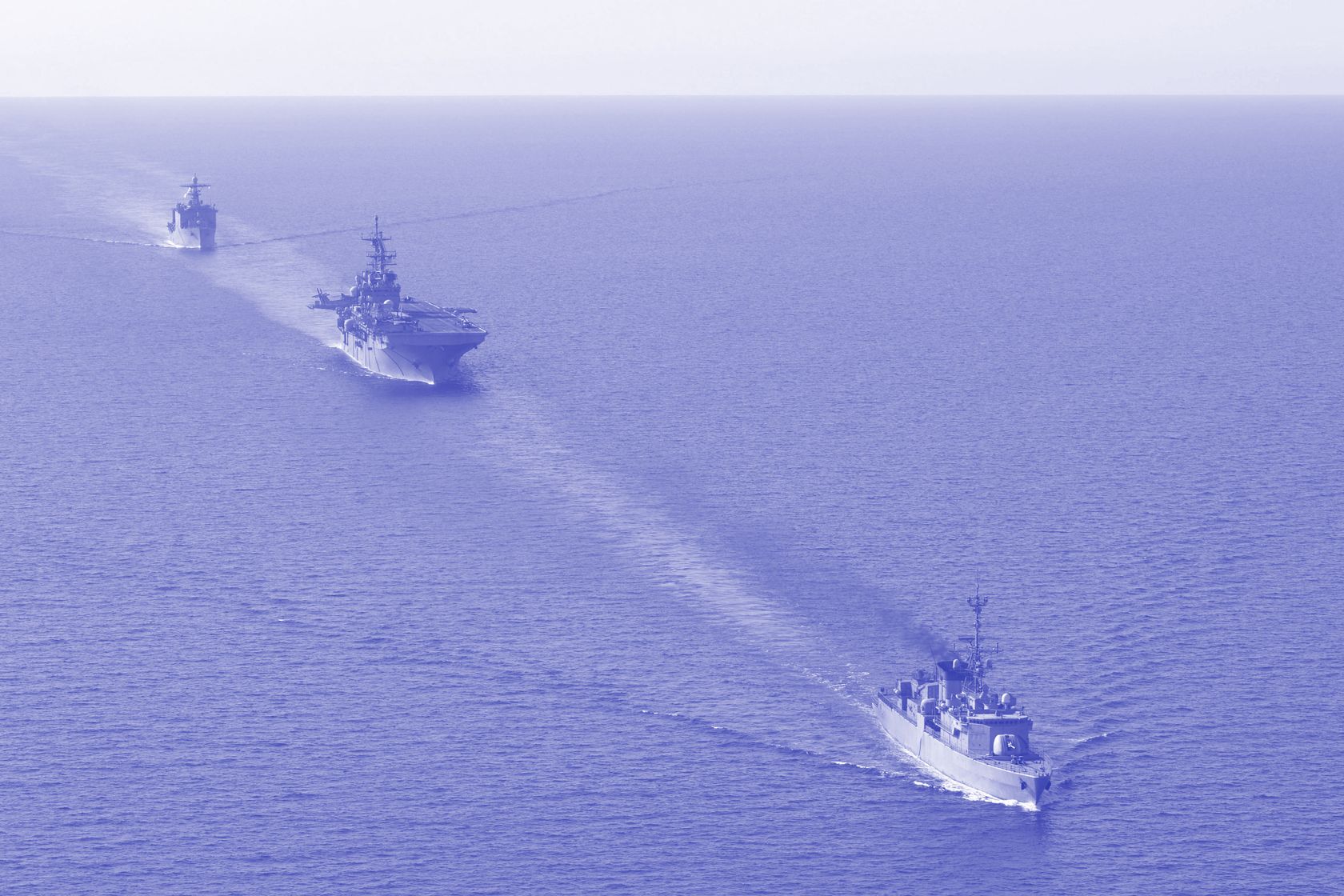
The Red Sea is one of the world’s most critical supply routes and attacks on merchant vessels by Houthi forces have been ramping up over the last week, forcing shipping companies to find new routes. The US is stepping in with a multinational operation.