Tasmania’s hydrogen pipe dream exposes Australia’s green energy challenge
Three of four hydrogen projects at Tasmania’s Bell Bay have been shelved, with companies citing costly renewable power. It's a growing concern for similar projects nationwide.


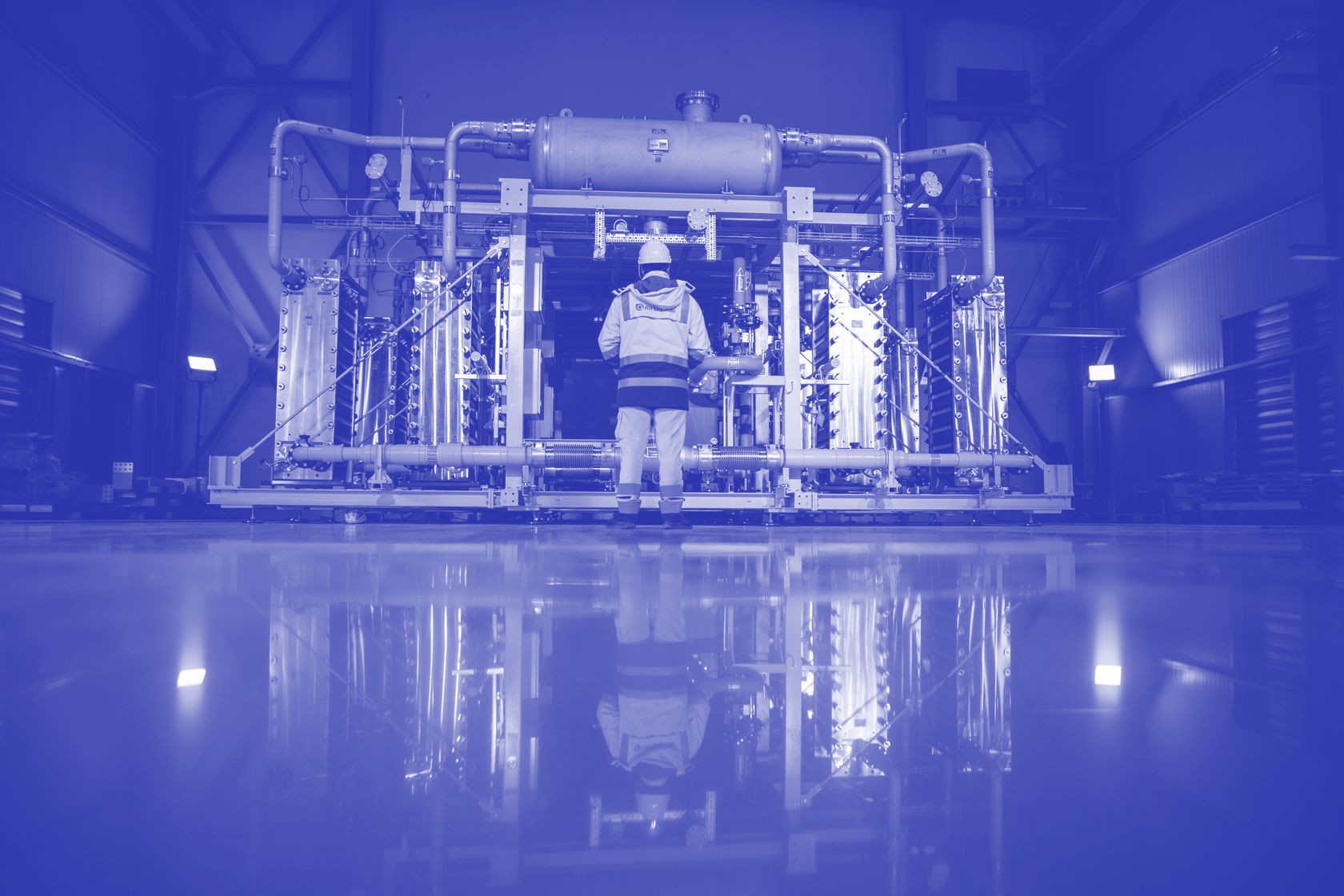
Bell Bay, an unassuming inlet on the banks of Tasmania’s Tamar River, was shaping up to have a promising future as a green hydrogen export hub. No fewer than four companies had signalled their intent to build large-scale electrolysers in the light industrial precinct.
But as of last week that dream had been shattered, with all but one of the proposed projects permanently shelved. Woodside, which had lodged a notice of intent in 2021 for H2Tas, consisting of a 300 MW electrolyser, which planned to transform 107 million tonnes a day of hydrogen to ammonia for export to Japan and beyond, announced that it would withdraw its federal government environmental application and cease its development activities.
Woodside’s withdrawal follows that of Fortescue, which had been investigating a 250 MW electrolyser and ammonia production project and in 2021 signed an MoU with Japanese industrial firm IHI. Like Woodside, Fortescue Future Industries, as it was then known, had aspirations to export hydrogen as ammonia to Japan. But the iron ore giant failed to make a final investment decision on the project due in 2021, and has hitherto stopped including it on its priority list of projects.
Origin Energy was the third major developer to shelve a proposed hydrogen project in the precinct, but paused plans for a 300 MW electrolyser in 2023 after completing $3.2 million feasibility study. The utility also withdrew from the Australian Government Regional Hydrogen Hubs Program, for which it was applying for grant funding.
