The AI royalties model is broken by design
As AI tools reshape how content is created and consumed, creators risk being cut out of the value chain. The current solutions being proposed leave a lot to be desired.


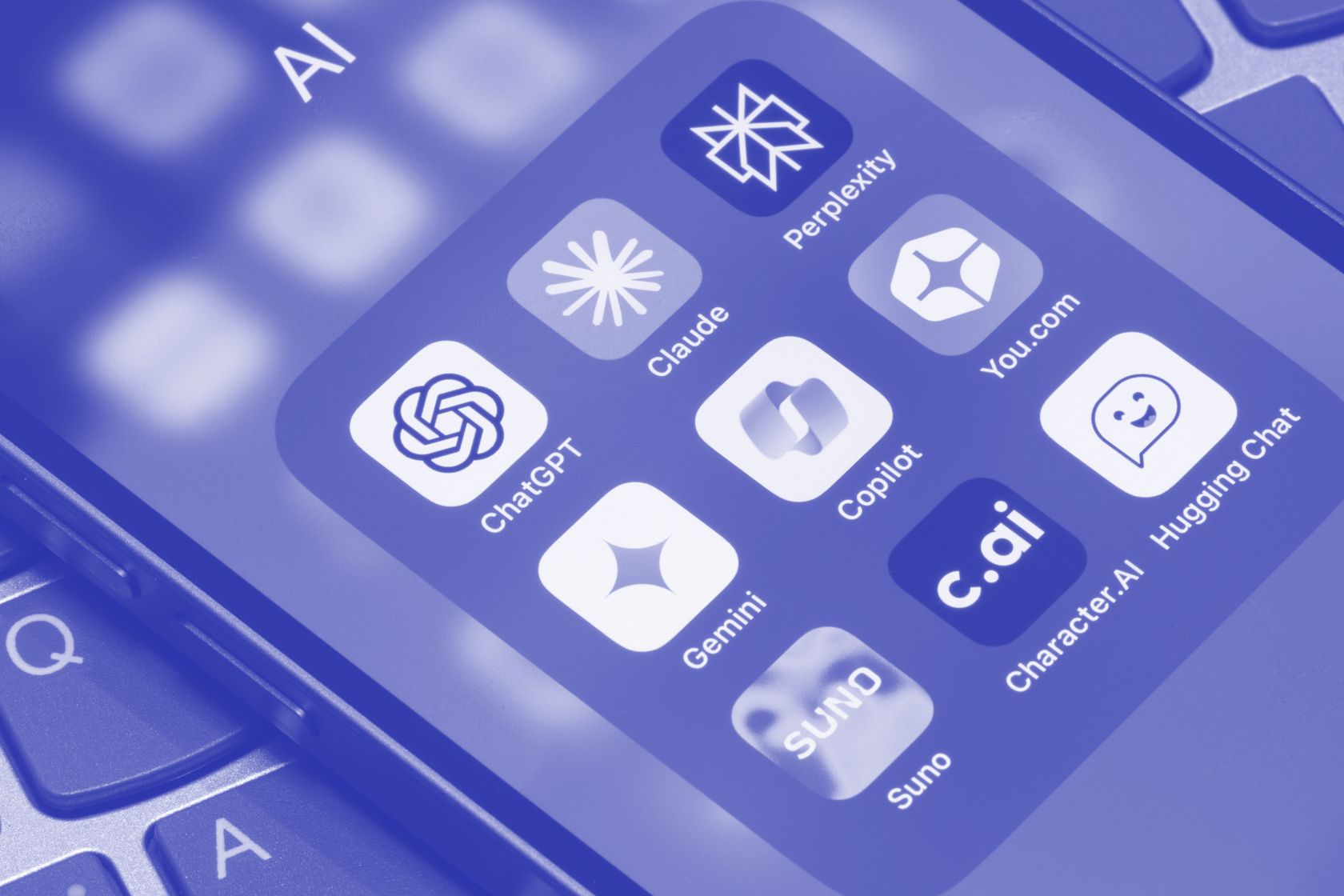
When OpenAI's ChatGPT spits out a recipe, travel guide or news summary, it's only able to do so because it was trained on content written by people.
In the abstract, we all understand that if people can get recipes from ChatGPT, they'll likely consume fewer recipe websites and cookbooks. That means ad revenue and book sales that once went to creators and media businesses now flow to tech companies whose products were trained on their work.
This same dynamic applies to news articles, travel guides, fiction, images, video, companionship and my particular area of interest: music.
Having worked closely with researchers and policy advisors in the music space, I have insight into what's being planned for AI-generated music royalties. A lot of musicians aren't going to like it.
