The Japanese yen carry trade is unwinding. Here's what that means.
The "carry trade" of borrowing cheap Japanese currency at low rates and investing elsewhere has been a mainstay of financial markets for years.


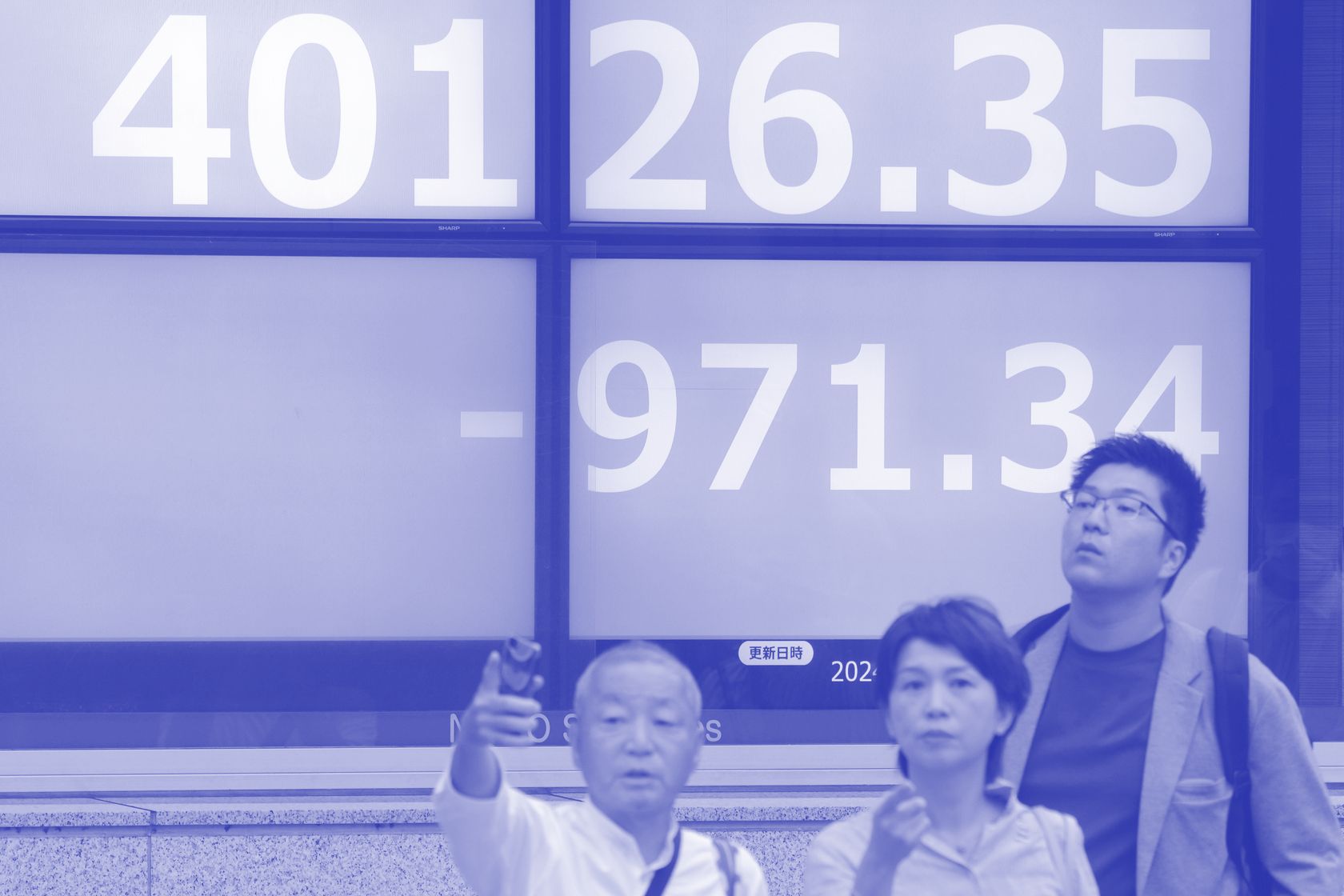
For Australians travelling to Japan, one of the fastest-growing tourism destinations, a holiday is suddenly 20% more expensive than two weeks ago. And bad luck if you bought Japanese shares.
The volatility that has roiled financial markets over the last few days, sending the key VIX index to levels not seen since Covid hit, has been particularly extreme in the Asian nation.
The Nikkei 225 shed 12% on Monday, its biggest selloff since the “Black Monday” crash of 1987. There was some recovery in equities on Tuesday, but the yen remains high and that is vastly more important for financial markets.
As the world’s third-largest economy and largest creditor nation, what happens in Japan has global ramifications. The Japanese yen carry trade, which has been reversing this year, is a major funding source for both fixed interest and equity markets globally.
