The shaky ESG case for a Woodside-Santos mega merger
Woodside and Santos are poles apart on their ESG strategies. Would an $80 billion merger be beneficial from a sustainability lens?


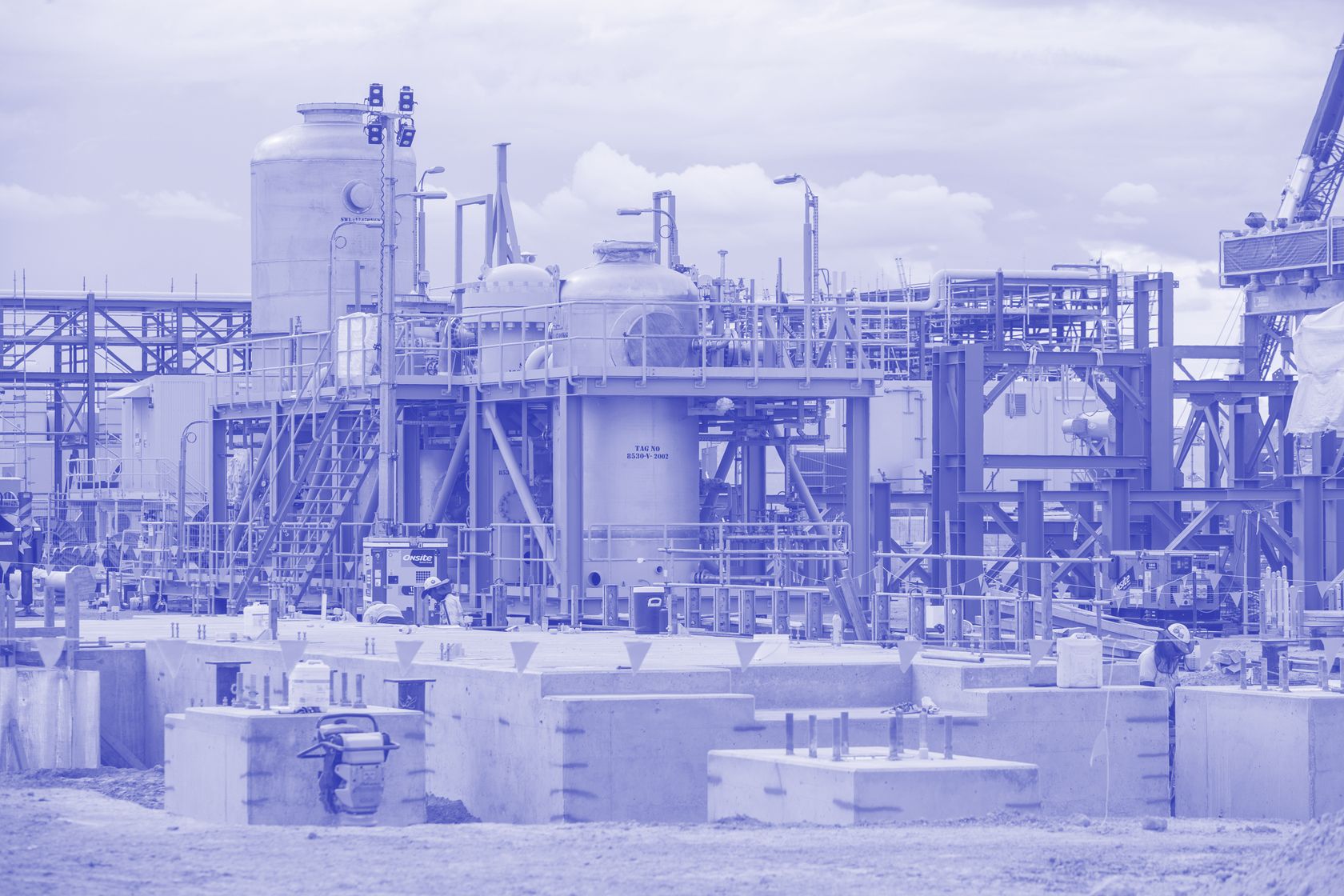
Much has been made of the benefits of scale that can be achieved when oil and gas companies merge to become a much larger combined entity.
More projects and growth opportunities, pooled free cash flow, shared know-how and geographical diversification are just some of the benefits that have been touted by analysts if Woodside and Santos push ahead with an $80 billion merger following their early-stage discussions which were leaked last week.
A combined group would create Australia's only ASX-listed oil company, giving it scarcity benefits and potentially a lower cost of capital and a higher credit rating that would enable it to borrow more cheaply.
But from an environmental, social and governance lens, the benefits of scale are less visible. Combining two companies gives an immediate governance cost saving from merging two boards into one and only needing one of the two CEOs, although this is partly undone by the redundancy costs that would need to be paid to the departing chief, according to Climate Energy Finance director Tim Buckley.
