The shipping industry is grappling with multiple paths to decarbonisation
Shipping accounts for 3% of global greenhouse gas emissions but is outside the UN’s climate treaty. Decarbonising the industry is a complex and challenging task.


Faced with the need to adopt mandatory climate reporting by next January, listed and large private companies are now scrutinising their supply chains and distribution channels to identify the largest sources of Scope 3 emissions and explore ways to reduce them.
As a far-flung island nation, Australian companies are particularly reliant on shipping for both production inputs and finished goods, as well as for exporting their products. Companies are expected to actively address the emissions related to transporting these goods.
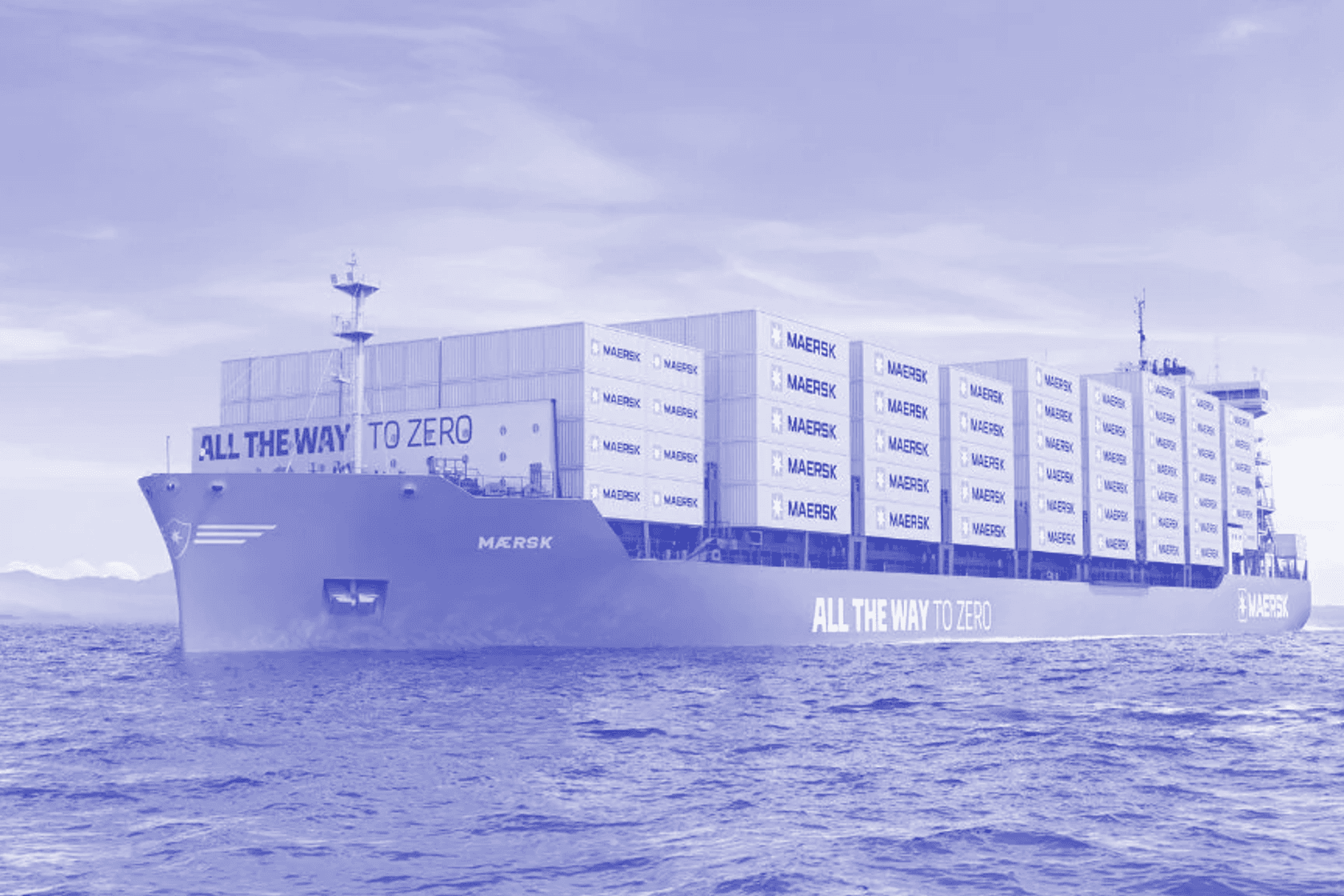
In its own right, the shipping industry is a major source of global carbon emissions. Fortunately it has a range of viable pathways to decarbonisation — ranging from biofuels and hydrogen blends to methanol, ammonia and specialty ships with dual-fuel engines.
However, the abundance of options and the diversity of participants, shipping mode and vessel types have left the industry struggling to chart a unified course towards net-zero emissions.
