The two sectors tipped to prevent Australia from hitting its net zero target
The slow rate of electric vehicle switching and adoption of clean industrial technologies will stop Australia from achieving its net zero by 2050 target, Oxford Economics predicts.


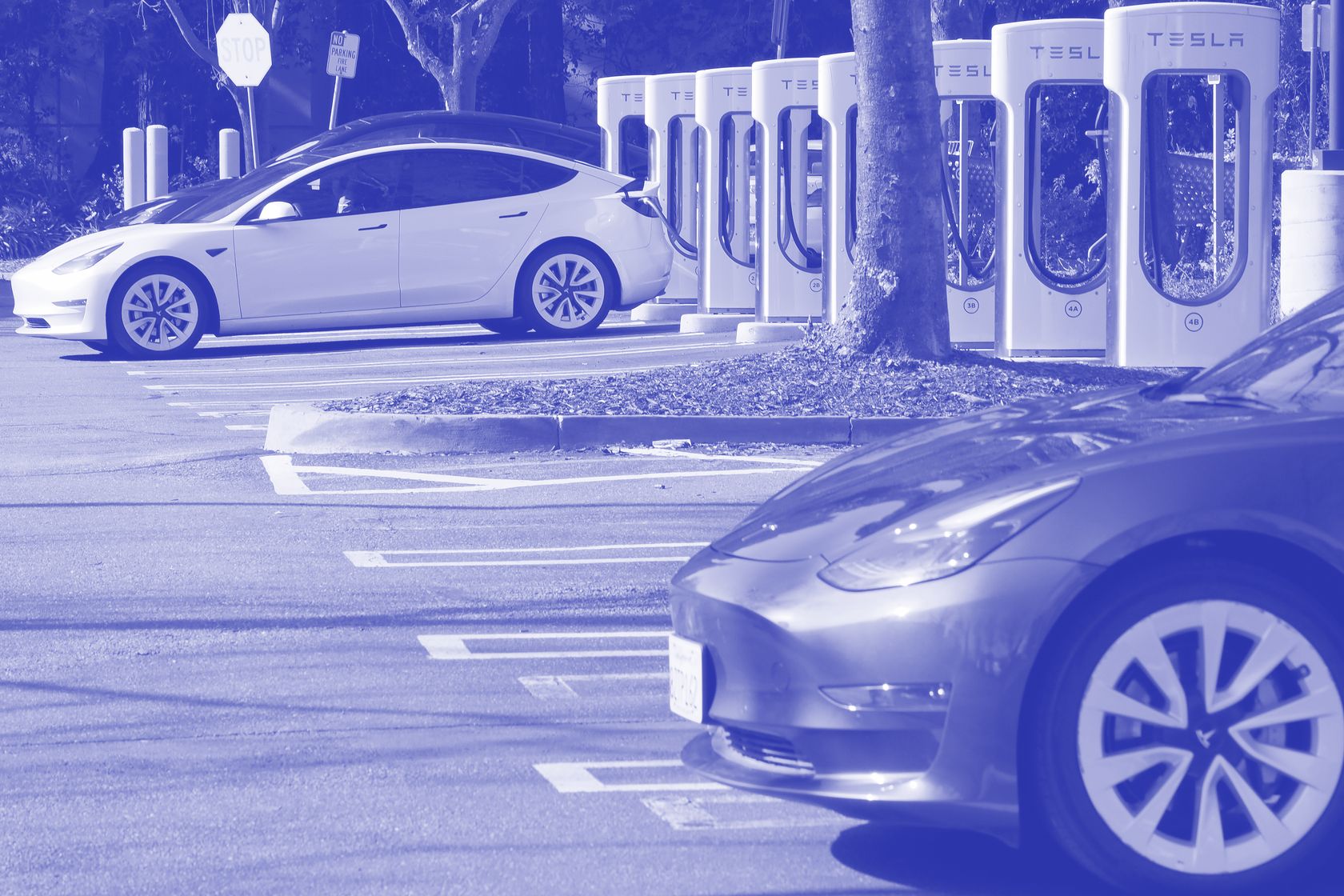
Sluggish decarbonisation in the industrial and transport sectors — including the slow uptake of electric vehicles — will prevent Australia from achieving its net zero by 2050 target.
That's the conclusion from Oxford Economics' head of consulting Kristian Kolding, who told the firm's conference in Sydney on Tuesday that while the energy system is steadily transitioning to renewables, decarbonisation in the two aforementioned sectors is not keeping pace.
“We don't see a most likely path or baseline path to net zero by 2050. To decarbonise transport, you're going to have to accept either you need to retrofit the existing stock of cars, or you need to accept the loss of the drivable cars that need to be scrapped and replaced with electric vehicles.”
The pace of EV uptake has been curbed by the long life cycle of the average vehicle on Australian roads — up to 20 years for a passenger car and 25 years for a truck. In a special forecast on the impact of Australia's emissions reduction trajectory on the economy, Oxford Economics' data shows that even though EVs are expected to make up 90% of new car sales by as early as 2040, they will still only account for 80% of the nation’s entire vehicle stock by 2050, the forecasts show.
