Vision Pro release tests Apple’s strategy to drive growth beyond the iPhone
Apple launches the 'spatial computing' headset in Australia on Friday, after rolling it out in China and Japan late last month.


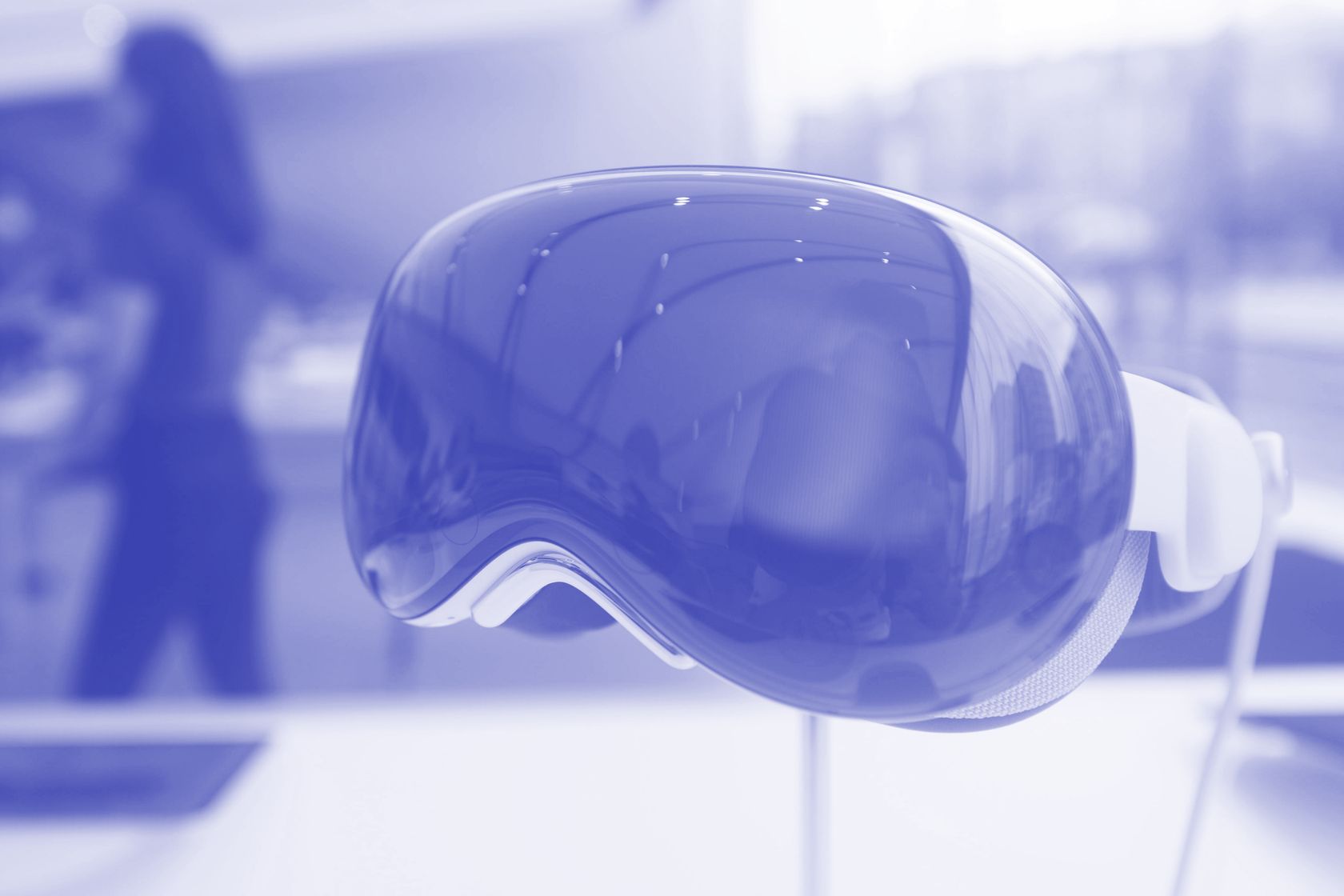
During an interview with Nine News to promote the Australian launch of the Apple Vision Pro on Friday, Tim Cook remarked that one of the most common uses for the headset was “spatial photos”. According to Cook, people just love taking shots on their iPhones and viewing them with three-dimensional depth on the Vision Pro.
Considering the headset’s $6,000 cost, that seemed like a red flag.
But after trialling the Vision Pro at Apple’s Sydney HQ, I began to see what he meant. Spatial computing, as Apple calls its mixed-reality product, feels monumental in the same way smartphones were. It is a completely new way of doing things you've done a million times before, making activities like watching videos, browsing the internet and, yes, looking at photos, instil a sense of awe.
The potential is enormous. But the trillion-dollar question for Apple is how quickly that potential can be realised. The iPhone is the company’s breadwinner, bringing in around USD200 billion ($296 billion) each year. But dramatic, long-term growth driven by the iconic device is unlikely. The iPhone is a mature product line, and its users are holding onto them longer and upgrading them less.
The market penetration is also a significant factor. Everyone you know already has a phone, but few own or have used a mixed-reality headset. If Apple can change that, it could have another decade’s worth of fuel for its growth engine.
