Watermarking, guardrails and an expert panel: Australia's plan to regulate AI revealed
The minister in charge of regulating AI, Ed Husic, has laid out the government's approach to policing the technology, which involves safeguards for using it in high-risk industries like health and law enforcement, and establishing an expert advisory group.



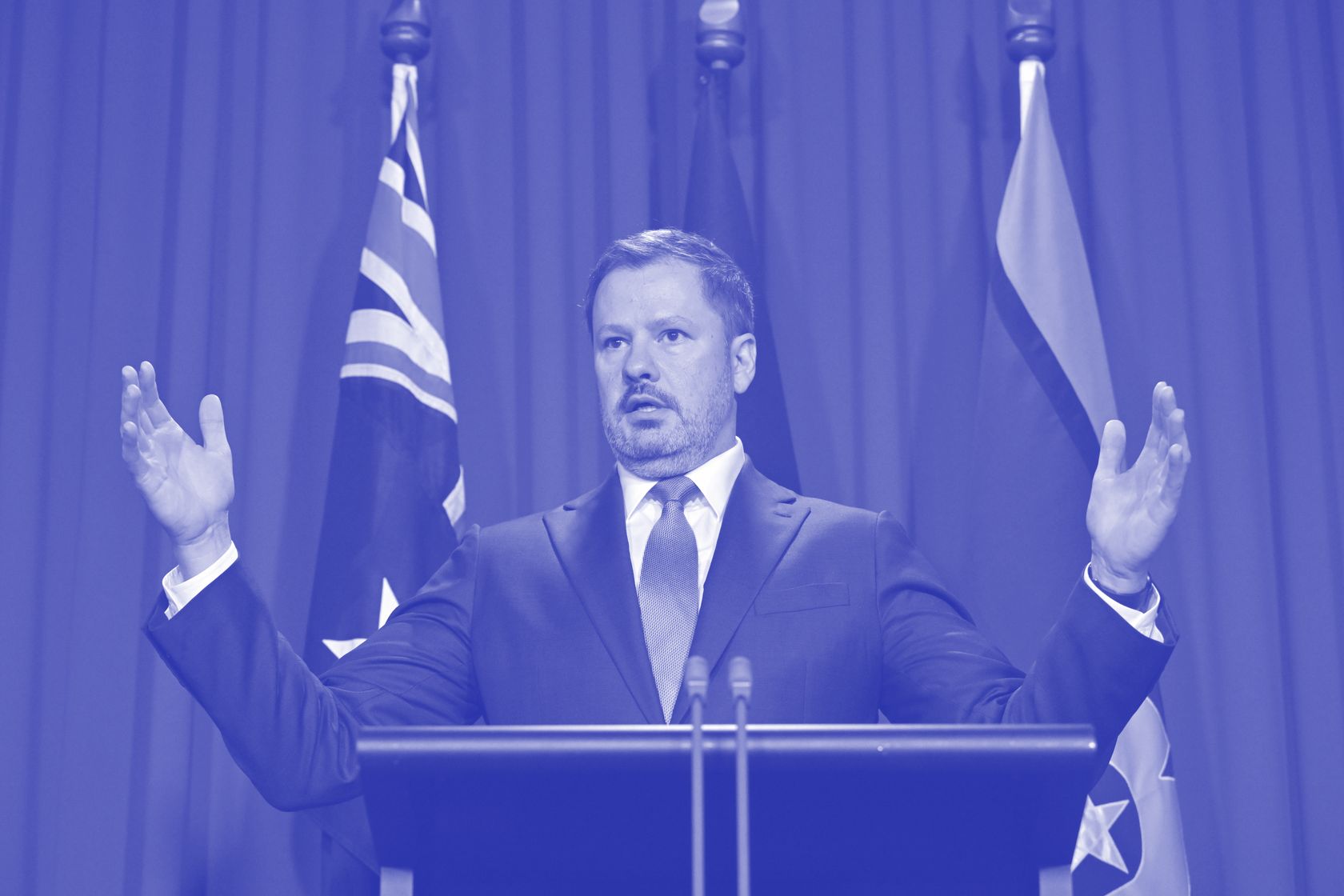
When Ed Husic launched an inquiry last year to work out how to regulate AI in Australia, he said governments had a “clear role to play in recognising the risk and responding to it, putting the curbs in place”. On Wednesday, the Minister for Industry gave the clearest indications yet on what that regulation will look like, as the government released its long-awaited interim response to industry consultation.
Companies operating “high-risk” forms of AI will be subject to new “mandatory guardrails”, while there will also be a voluntary standard for the whole sector. The government will work with industry to develop options for voluntary labelling and watermarking of AI-generated materials such as videos, images and text. An expert panel will also be established to advise on further regulation.
It comes after the European Union last month agreed to the final version of its first AI Act, the world’s first comprehensive legal framework on the technology, which classes and regulates AI applications across four categories from “minimal risk” to “unacceptable risk”.
Asked by Capital Brief whether his views on the risks and opportunities of AI had evolved since he kicked off the process, Husic said he was still “definitely a big believer in the value of AI in terms of contributing to improved quality of life”. But he said there was a significant issue of low levels of trust in the technology, especially among small and medium-sized businesses.
