Why ASIO raised the terror threat level
The rise in Australia’s terror threat level on Monday to "probable" underscores the increasing complexity and confusion of extremist ideologies.



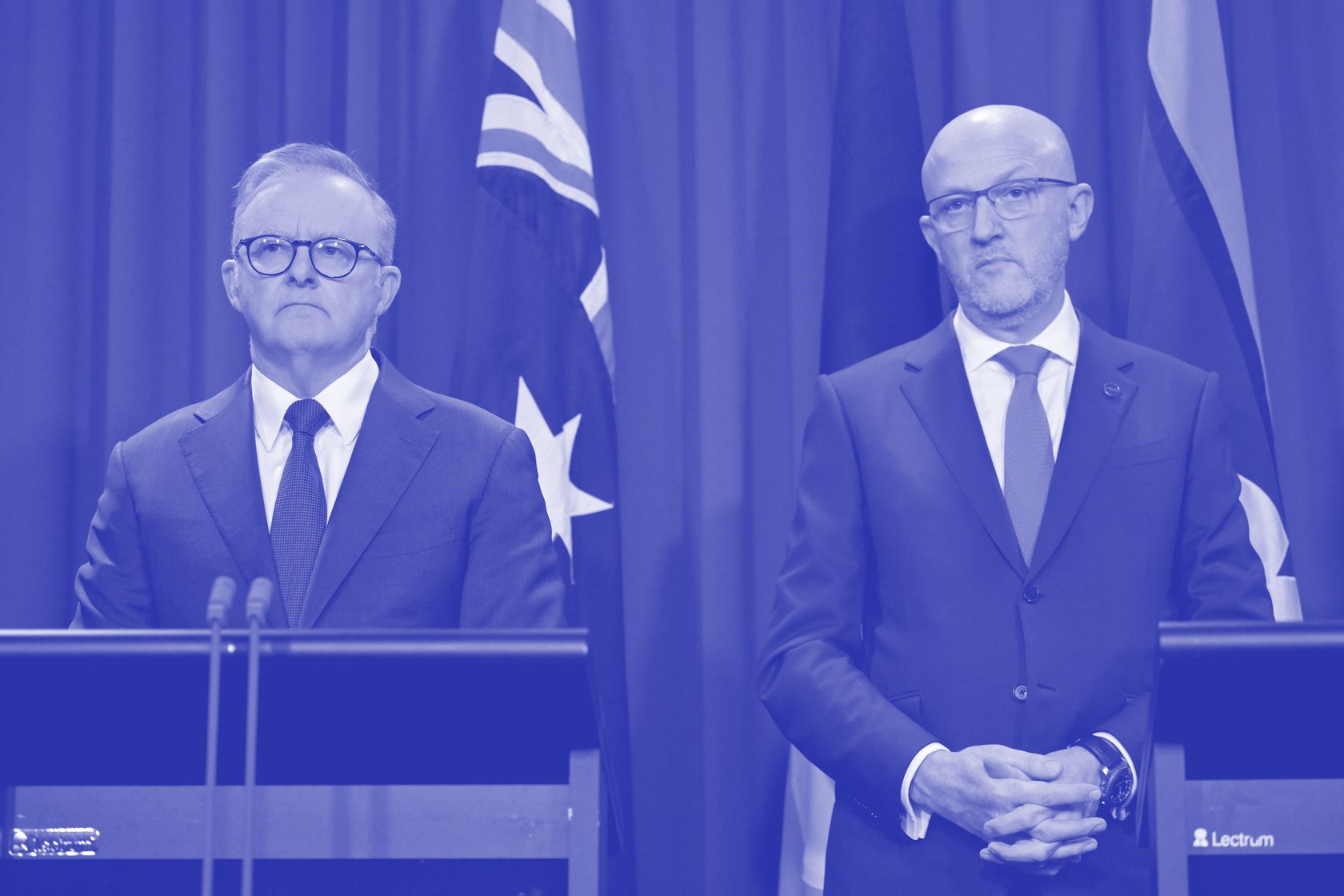
Since the stabbing of a bishop at a Western Sydney church in April, Australia’s top security officials have been closely assessing whether the likelihood of a terrorist attack has increased.
On Monday morning, the national security committee of cabinet — which includes Prime Minister Anthony Albanese and eight of his senior ministers — decided to raise the threat level back to “probable” on the advice of ASIO director-general Mike Burgess.
This is a significant move given that ASIO only lowered the threat level to “possible” in November 2022. However, the multi-agency National Threat Assessment Centre (NTAC) located within ASIO was left with little choice after a spate of violent incidents over the past four months.
Since April, there have been eight incidents in Australia that have either been declared as terror attacks, been thwarted, or are still being assessed. In five of these cases, the alleged offender was a minor, with the oldest being 21 years old, which reinforces a deep concern about youth being radicalised online.
