Why Australian corporates need a chief global affairs officer
As global instability rises, Australian corporates need to rethink strategy, build resilience and bring sharper geopolitical focus to the executive level.


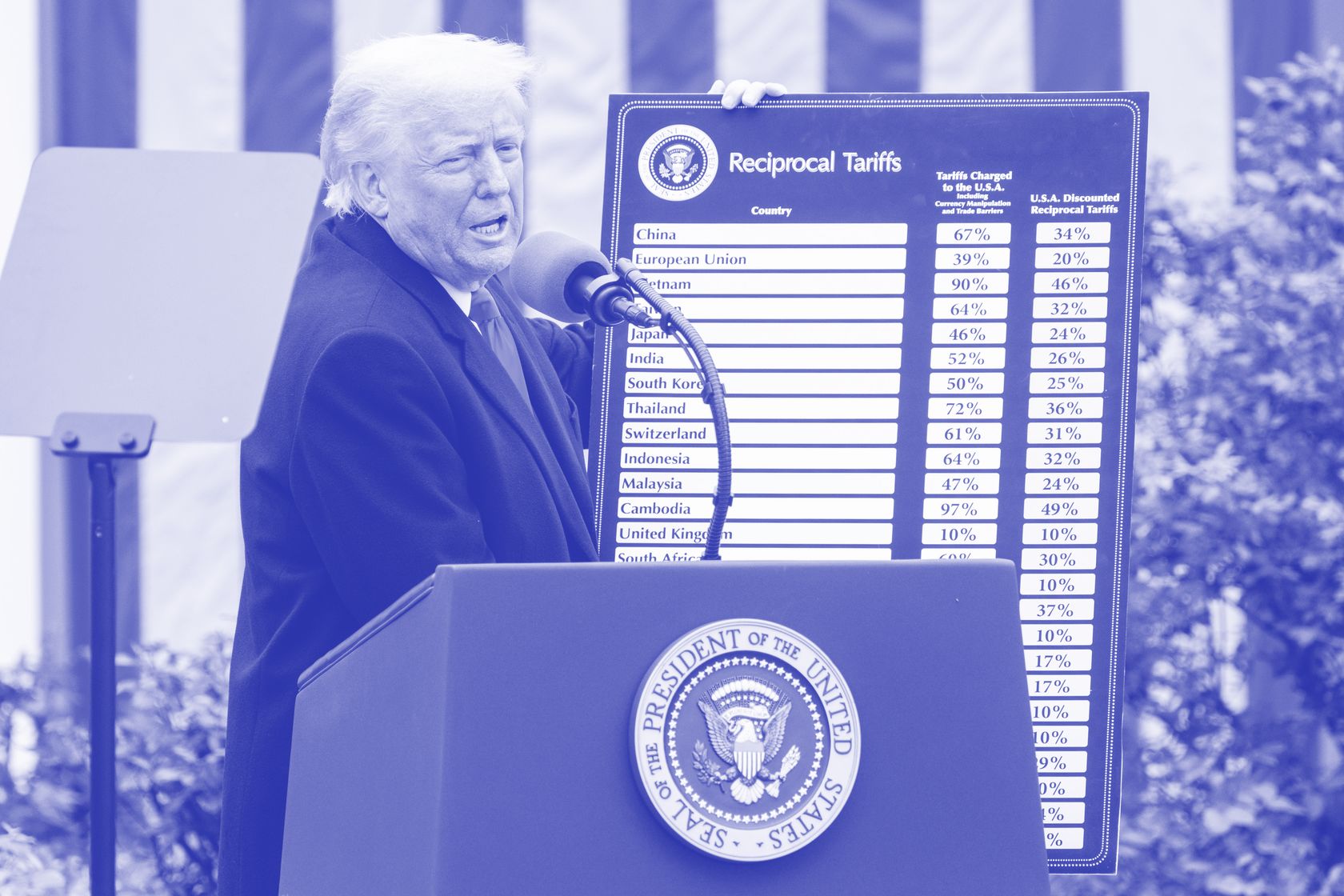
Donald Trump's Liberation Day came and went, and now the hangover is setting in. For many Australian corporates, it’s becoming clear that the existing operational toolkit, built for a more stable, rules-based world, is no longer fit for purpose. Fewer still will move to review, reset and retool.
Geopolitics has never mattered more, whether businesses know it yet or not. It’s no longer background noise or just a line on the risk register. It’s now the operating system. As the world becomes more unpredictable, it’s increasingly clear that serious, globally engaged Australian businesses need new executive-level focus on global affairs — by way of a chief global affairs officer — to navigate a more dangerous, complex and contested environment.
The red light has been flashing for a decade. Global issues now weigh distinctly on domestic politics, their effects amplified by a hyperconnected digital economy. Populism and polarisation have warped conceptions of national interest. A new wave of interventionism and protectionism has risen. We lurched from a historic pandemic and its seismic supply chain shocks into Vladimir Putin’s full-scale assault on Ukraine’s sovereignty.
Add to that global inflation, fresh conflict in the Middle East, brazen attacks on shipping in the Red Sea, and renewed instability across North Asia — all while strategic rivalry between Washington and Beijing intensified. Grey zone actions remain in favour.