Why biodiversity is the next investment frontier
Companies are up to their necks dealing with decarbonisation. Now there is a new race - the nature-positive movement.


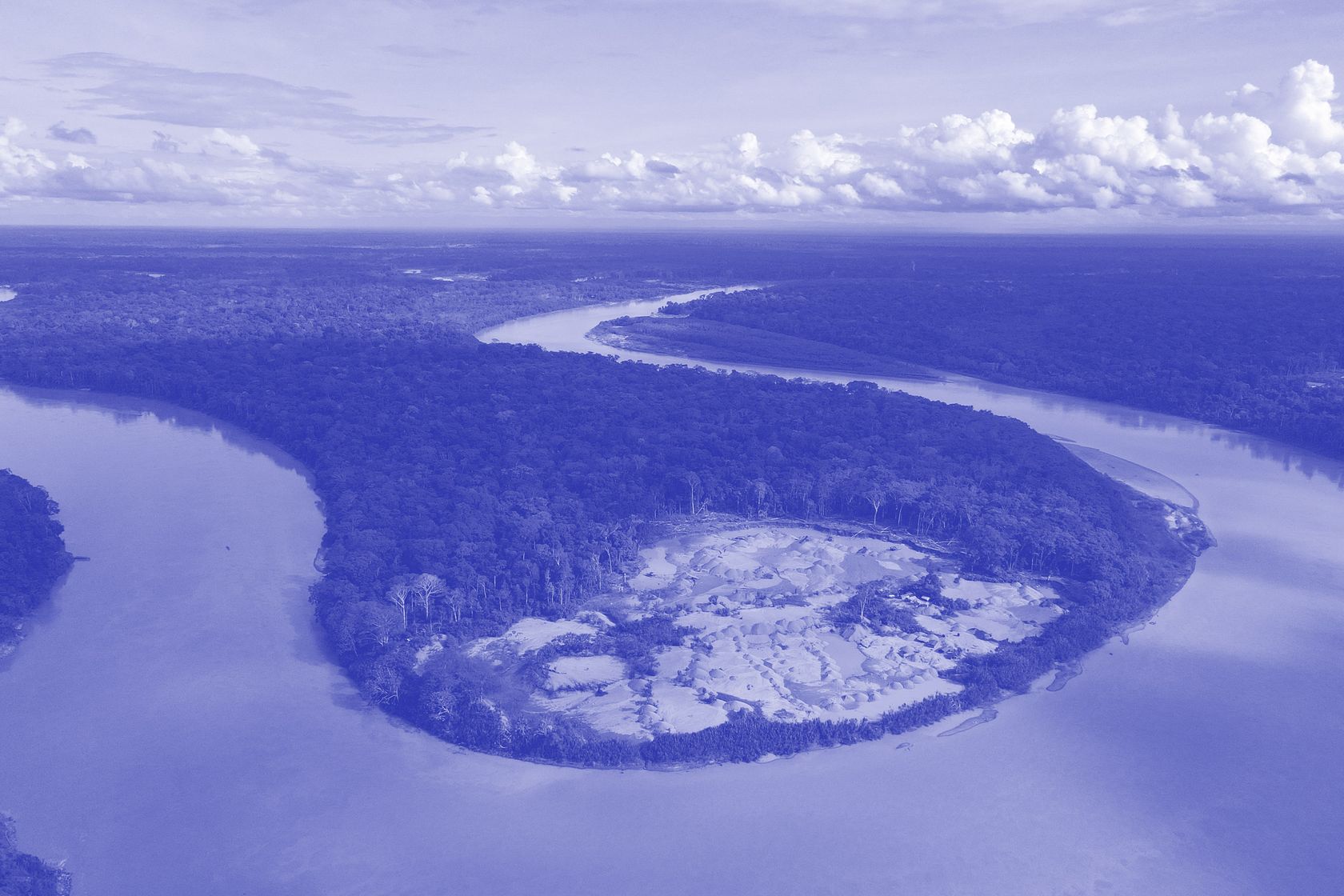
Mining companies have emerged as unlikely heroes in the race to net zero given their role as gatekeepers to the critical minerals required for the energy transition.
Now they are also set to become first-movers in a new race — the nature-positive movement. Miners have been acting on the biodiversity front for quite some time now, managing land use change, species impacts, habitat destruction and planning the rehabilitation of disused sites for years, according to Lucian Peppelenbos, climate strategist at Dutch asset manager Robeco.
Other sectors likely to be at the forefront of biodiversity include real estate, infrastructure and food companies, he added. In the UK, infrastructure projects are already being compelled to manage their biodiversity risks through legislation that compels them to produce a “net gain” for nature.
Concrete action on biodiversity is unlikely to happen for some time yet. First, companies are still up to their necks in dealing with decarbonisation and climate change adaptation, the environmental risk that has attracted the most prominence in recent years. Second, biodiversity is a broad church, encompassing deforestation, water use, plastics, species and habitat loss, eutrophication and chemical use.
