Anglo leaves door open after rejecting BHP's third takeover bid
Plus: Rishi Sunak calls snap UK election; Three European nations recognise Palestinian state; Citi fined £62m over trading error.

Good morning. Here's what happened overnight and what you need to know today.

1.
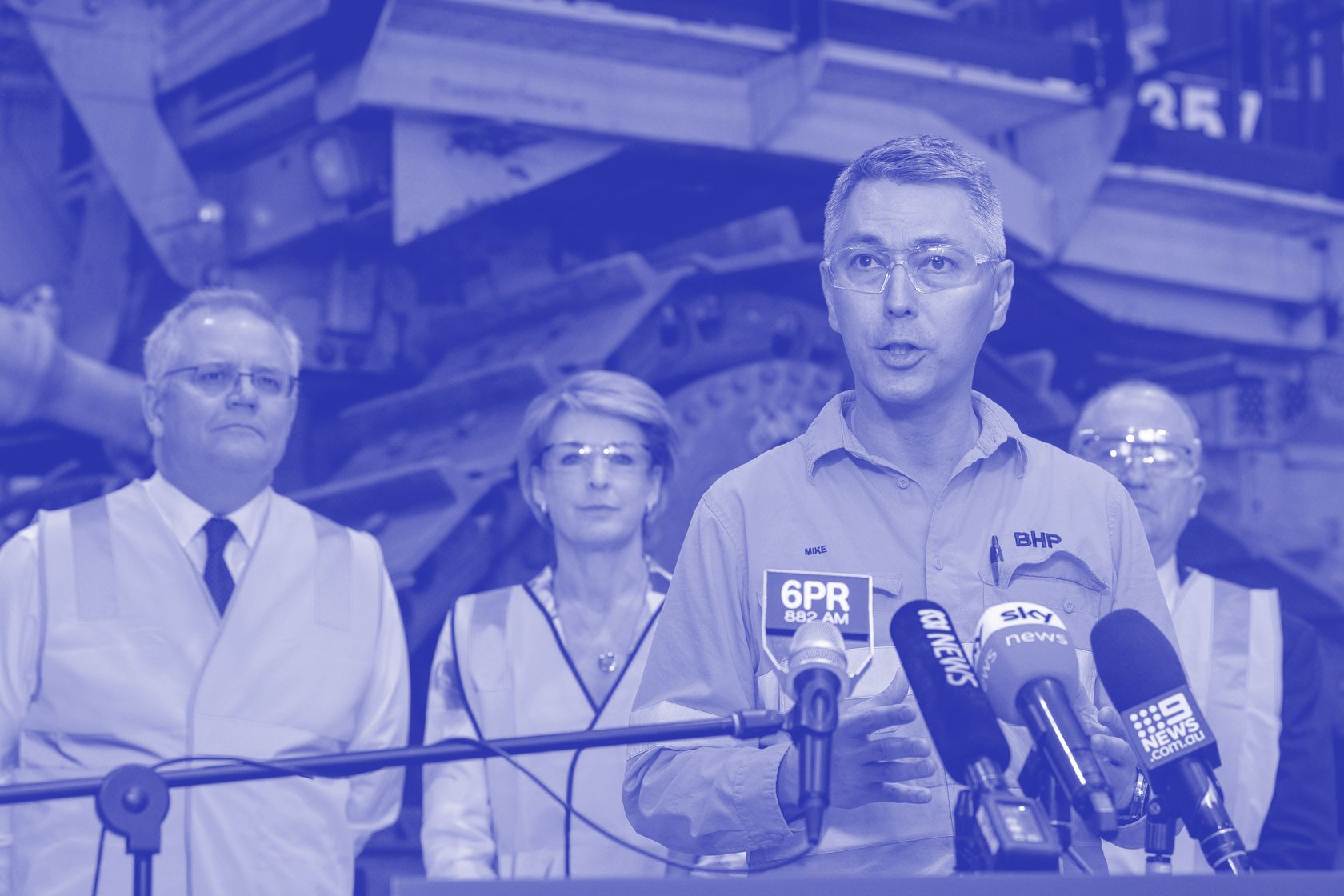
Hard to get: Anglo American has rejected a third takeover offer proposed by BHP on Wednesday, and given BHP one more week to submit an improved bid. The new offer was set at approximately £29.34 ($56.19) per Anglo American share, valuing Anglo at about £38.6 billion ($74 billion). BHP has said that the new increase to the share ratio offered is final and will not be increased. Anglo American said that while it rejects the bid, it has requested a one-week extension to the ‘put-up-or-shut-up’ (PUSU) takeover deadline for when BHP has to make an offer or walk away, until 5pm on 29 May. Anglo's chairman, Stuart Chambers, said that BHP's offer does not address the Board's concerns about the complex structure, execution risks, and extended timeline to completion. This holds the potential for "material value leakage" which would impact Anglo shareholders. BHP said that the companies have made progress on these topics over the course of the engagement so far, and is hopeful that resolution will be reached in the next seven days. (Capital Brief)
2.
Snap decision: UK Prime Minister Rishi Sunak has called a surprise general election for 4 July. “Now is the moment for Britain to choose its future,” Sunak declared as he stood in heavy rain in front of 10 Downing Street on Wednesday afternoon. The UK Prime Minister said that King Charles had agreed to dissolve parliament, kicking off a highly-charged six-week campaign. Ministers were instructed to attend Wednesday’s cabinet meeting earlier in the day without knowing details behind the urgency, prompting speculation about a potential election to captivate Westminster. The UK foreign secretary, Lord David Cameron, was required to return to the UK from Albania for the meeting. Despite opinion polls suggesting that his Conservative party is heading for a decisive defeat at the hands of Keir Starmer’s Labor, the FT reported that Sunak and chancellor Jeremy Hunt concluded there was no point waiting until the (European) Autumn in the hope of better economy news coming to the rescue. “Only a Conservative government led by me will not put our hard-earned economic stability at risk,” Sunak said. (BBC)(Financial Times)
3.
Israel-Hamas war: A number of European nations have moved to recognise Palestine as an independent state, reflecting deepening international division about the Israel-Hamas war. Norway, Spain and Ireland announced that they were pursuing the steps to officially recognise a Palestinian state, and that they expect other countries will follow in the coming weeks. In response to the announcements, a White House representative said that US President Joe Biden “believes a Palestinian state should be realised through direct negotiations between the parties, not through unilateral recognition.” The Israeli Foreign Ministry recalled its ambassadors to Norway, Ireland and Spain, while also ordering that the ambassadors of Ireland, Spain and Norway be “summoned for a reprimand conversation,” during which they will watch the video of the kidnapping of the female field observers. Israel’s minister of foreign affairs, Israel Katz, said: "They decided to award a gold medal to the murderers and rapists of Hamas. We will show them what a twisted decision their governments have made.” (Wall Street Journal)
4.
Fat finger trading: CitiGroup has been fined £62 million for failing to prevent a USD1.4 billion trading error. The Financial Conduct Authority issued a £27.8 million fine on the bank while the Prudential Regulation Authority imposed a £33.9 million penalty. The ‘fat finger’ error was caused when a Citi trader made an inputting error while entering the basket in an order management system, resulting in a basket to the value of USD444 billion being created, instead of USD58 million. Citi’s controls blocked USD255 billion of the basket progressing, but not the remaining USD189 billion which was sent to a trading algorithm. In total, USD1.4 billion of equities were sold across European exchanges before the trader cancelled the order, which triggered a brief sell-off across European markets. As Citi did not dispute the findings and agreed to settle, it qualified for a 30% reduction in the penalty. (Financial Times)(FCA)(PRA)
5.
Rates watch: UK inflation fell less than expected in April, prompting traders to pare back bets on timing for interest rate cuts. The Office for National Statistics announced that the Consumer Price Index rose 2.3% from one year ago, compared with the 2.1% forecast by economists. Despite bringing the Bank of England’s 2% inflation target more closely into view, the figures weren’t as strong as anticipated. Traders have all but ruled out a rate cut in June, and aren’t fully pricing in a first cut until November. The pound rose on the news, which saw inflation decrease to its lowest level since the UK’s cost of living crisis set in three years ago. The figures prompted Prime Minister Rishi Sunak to hail the data as evidence that price growth is “back to normal” and that “brighter days are ahead.” Goldman Sachs is now forecasting the BoE's first rate cut in August, rather than its previous forecast for the beginning of June. (Office for National Statistics)(Bloomberg)
6.
Credit is credit: The US consumer watchdog will apply credit card rules to buy-now-pay-later (BNPL) companies in efforts to add greater control and consumer protection to the sector. The Consumer Financial Protection Bureau (CFPB) confirmed that BNPL providers are credit card providers. As such, BNPL providers must offer consumers some key legal protections and rights that apply to conventional credit cards, such as a right to dispute charges and demand a refund from the lender after returning a product purchased via BNPL. A CFPB market report uncovered that more than 13% of BNPL transactions involved a return or dispute, and the Bureau states that the failure to provide dispute protections can create chaos for consumers when they return their merchandise. The Australian BNPL sector is currently undergoing similar investigations, with both the Treasury and the Attorney-General carrying out probes into how BNPL providers should be regulated. (Reuters)(CFPB press release)
7.
Vivek brings Buzz: Shares in Buzzfeed soared over 80% during trading on Wednesday, after Vivek Ramaswamy reported that he has taken a 7.7% stake in the online media company. The entrepreneur and former US presidential candidate’s Strive Asset Management disclosed the USD6.1 million stake via an SEC filing, which reads that he seeks to “engage in a dialogue with board or management about numerous operational and strategic opportunities to maximise shareholder value, including a shift in the company’s strategy.” The share price settled from its highest intraday level since April 2023 during afternoon trading. Buzzfeed has struggled in recent years due to reductions in internet advertising. The company went public in 2021 in a volatile debut and the shares have fallen about 92% since then. (Bloomberg)
8.
Capital intensive AI: AI player, Groq, has tapped Morgan Stanley to help it raise USD300 million, according to sources cited by The Information. The Nvidia rival which develops specialised server chips and software for AI, is positioning itself as a cheaper and faster alternative to Nvidia. The new raise would roughly double its total funding, having raised USD367 million from investors including Tiger Global Management, D1 Capital and Lee Fixel’s Addition at a valuation of over USD1 billion. Groq has yet to set a valuation for the current round, and plans to land an offer from investors by the end of the month. While almost 20 AI chip developers have collectively raised over USD5.5 billion, according to research by The Information, few have been able to find success given the complexity and cost of the venture. (The Information)
