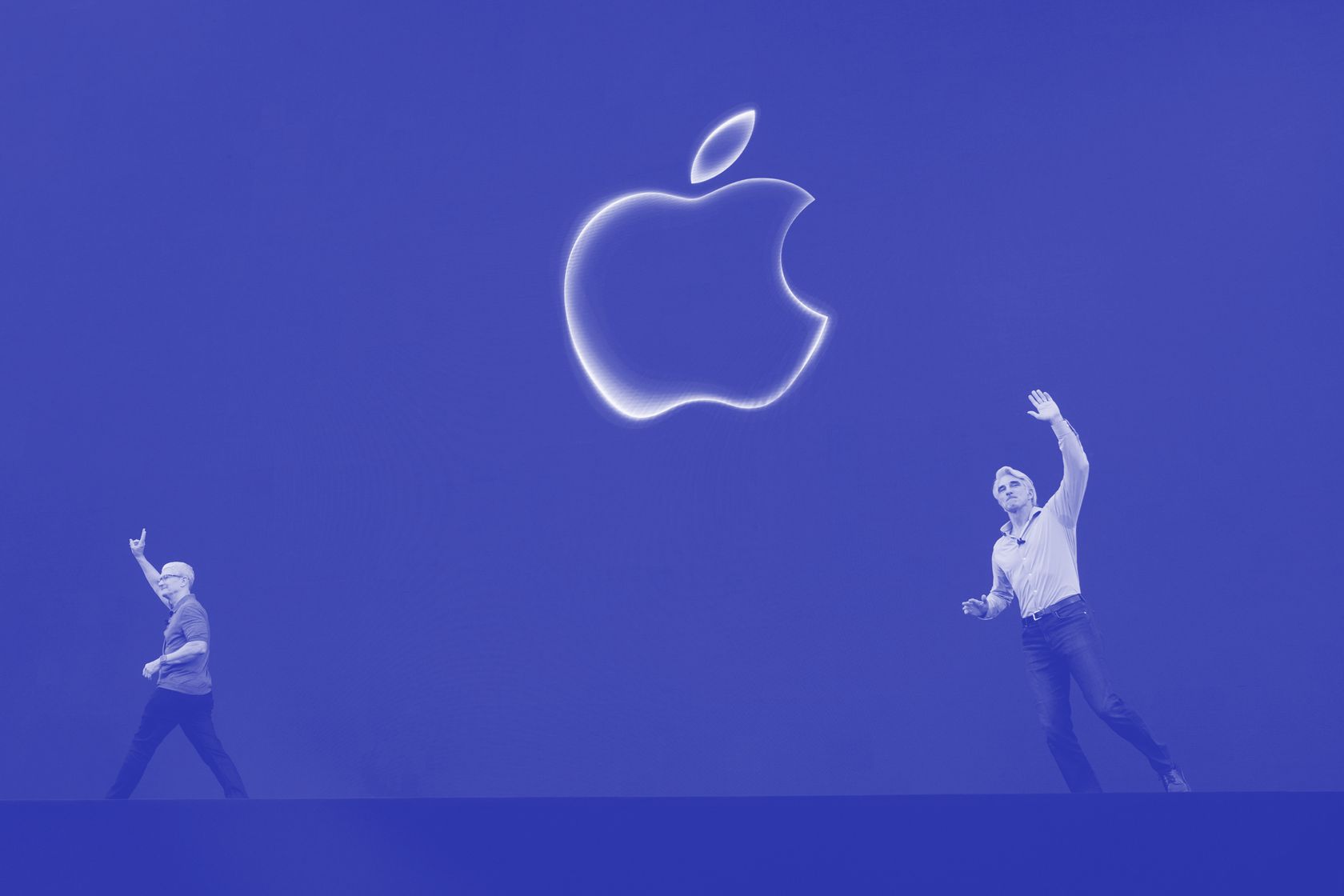
As Apple software exec Craig Federighi prepared to demo the first new iPhone feature shown off in the tech giant's Worldwide Developers Conference keynote overnight, he promised something “exciting” and “new”. What was it? The ability to move apps anywhere on the phone's home screen, so as not to obstruct the wallpaper.
It is the type of thing that drives Apple critics loco. The company launches a minor capability that’s already available on Android — since about 2012 in this case — and many of the world’s 1.33 billion iPhone users react as though it’s brand new.
That's also the case with “Apple Intelligence”, the main event of WWDC. It will see a new suite of AI powers — courtesy of a huge partnership with OpenAI — added to iPhones, iPads and Macs from October.
Many of the tools have already been seen elsewhere. Apple demoed writing assistants that are like Microsoft’s Copilot and photo editing tools that Samsung introduced to its Galaxy phones earlier in the year.