Australia invests $1 billion in quantum startup
Plus: Japan intervenes in the troubled yen; China signals approval of Tesla's self-driving features; Israel considers a hostage deal proposal.
Good morning. Here's what happened overnight and what you need to know today.
1.
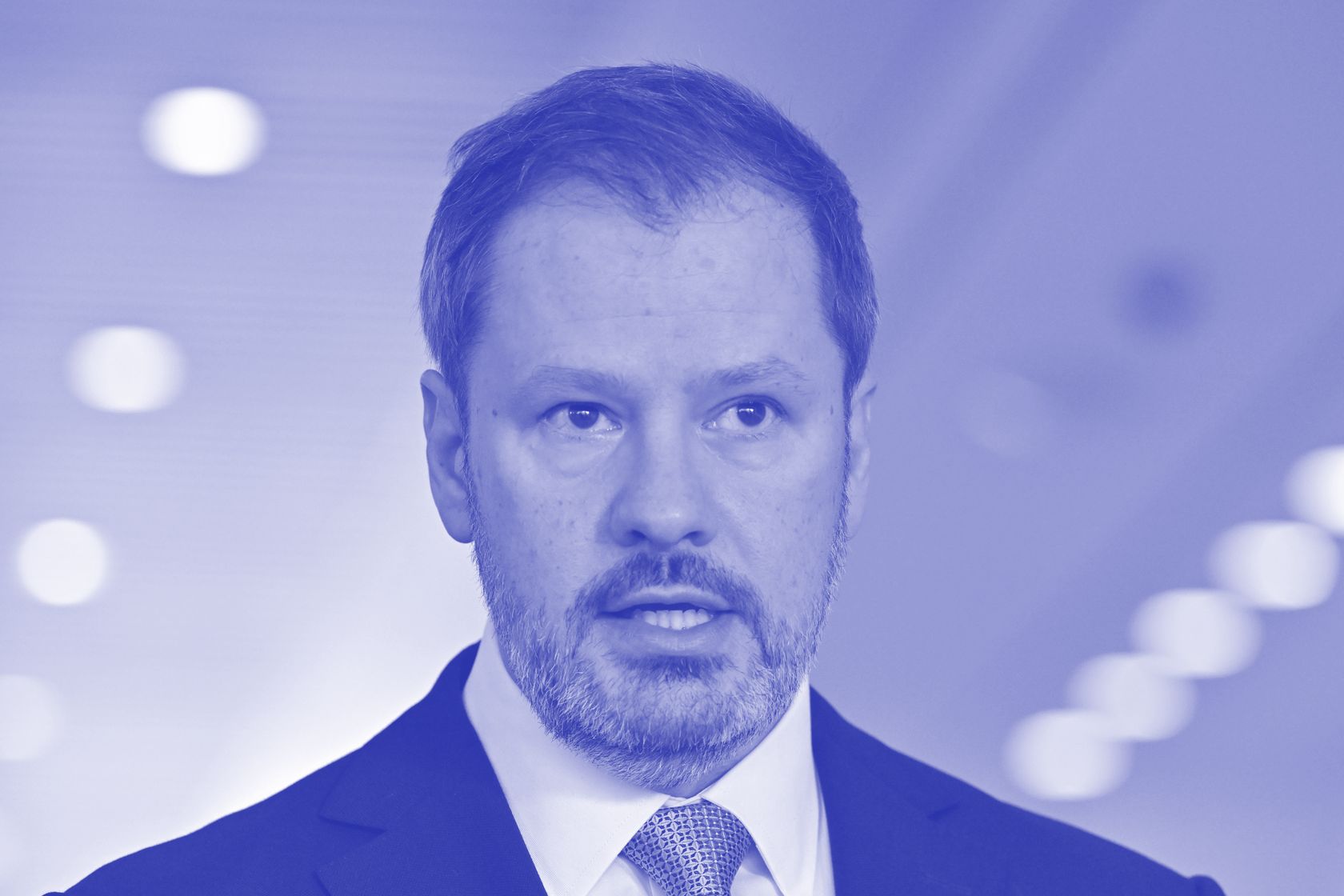
Quantum leap: Australia will invest $940 million in PsiQuantum, a Silicon Valley startup co-founded by Australian professors Jeremy O'Brien and Terry Rudolph, to establish its Asia-Pacific headquarters in Brisbane and operate the world's first commercially viable quantum computer there by 2029. The joint investment by the federal and Queensland governments includes equity purchases, grants and loans, and is part of Anthony Albanese's "Future Made in Australia" agenda. In return for the investment, PsiQuantum will operate its utility-scale quantum computers in Brisbane, create up to 400 new highly-skilled local jobs, establish a climate research centre and partner with local industry and universities. It represents a major bet on PsiQuantum's photonics-based approach being able to overcome quantum computing's stability challenges before rivals like Google, IBM and Microsoft. Science Minister Ed Husic, defending the significant investment, said Australia shouldn't miss the boat on new technological advances. “We just don’t want to repeat the sorry chapters of generations prior," he said. (The Australian)(Australian Financial Review)
2.
Yen spend: Japan intervened in currency markets on Monday in an attempt to prop up the yen after it fell to around 160 per dollar – a multi-decade low. The move to buy yen and sell US dollars, which was not publicised by the Japanese government, was confirmed by anonymous sources speaking to the Wall Street Journal. The yen has plummeted versus the dollar this year as traders increasingly doubt when the Federal Reserve will start cutting interest rates, with higher US rates making the low-yielding yen far less attractive. Following Japan's actions, the yen rebounded to around 155 per dollar. While the Ministry of Finance did not confirm the intervention directly, top currency official Masato Kanda hinted at the move, citing concerns over "violent and abnormal" currency moves harming the economy. (Wall Street Journal)

3.
Smooth road: After meetings between Elon Musk and top officials in Beijing, China signalled its tentative approval for Tesla to roll out its Full Self-Driving (FSD) driver assistance software in the Chinese market, a key move as Tesla faces slowing sales growth. The approval allows Tesla to deploy FSD in China using mapping data from Chinese tech giant Baidu, addressing regulatory concerns over data security by partnering with the local firm. This clears an important hurdle for Tesla to offer its autonomous driving capabilities in China and compete with domestic automakers which already provide higher-level autonomous driving features. Analysts view it as a major milestone strengthening Tesla's EV position in China. Shares spiked 14% on the news. (Wall Street Journal)(Financial Times)
4.
Investor gossip: BHP's unsolicited takeover approach for Anglo American – rejected as "highly unattractive" – has investors thinking about other companies who could swoop in. Potential suitors include Rio Tinto, Glencore, Barrick Gold, Vale, Vedanta Resources and Chinese companies like Zijin Mining. Analysts speaking to the Financial Times suggested Glencore could be a better fit than BHP due to overlapping assets and potential synergies, while Rio Tinto seeks diversification from iron ore. Barrick Gold's interest aligns with its copper ambitions. Chinese and Indian companies may also pursue Anglo or its assets to secure resources. The bid has also sparked speculation about whether Anglo could be broken up into its highly valuable constituent parts. BHP's chequered history with getting big acquisitions over the line is also raising questions. (Financial Times)(Capital Brief)
5.
War deal: Israel has significantly softened its stance on conditions for a hostage deal with Hamas in Gaza, accepting a proposal for an initial six-week pause in fighting during which Hamas would release 33 hostages including children, elderly, women and wounded captives. This would be followed by a second phase for "restoring a sustainable calm" – wording proposed by the US to overcome Hamas' insistence on a permanent ceasefire which Israel has rejected. Israel has also made concessions allowing Gazans to return to the north of the strip. The apparent shift comes as the US and other western powers press for a hostage deal and end to the over six-month war that has killed a reported 34,000 Palestinians. While Hamas discusses the proposal with mediators, far-right Israeli coalition members are threatening to topple Netanyahu's government if he accepts. US Secretary of State Anthony Blinken is currently in the Middle East on a trip to advocate for a deal. (Financial Times)(Wall Street Journal)
6.
Fossil fans: Several major Glencore shareholders believe the commodities giant should retain its highly profitable coal assets instead of spinning them off as previously announced. Glencore, which is the world's largest shipper of thermal coal, intends to separate its coal business and list it as a new company in New York within two years of acquiring the steelmaking coal assets of Teck Resources. The shareholders, including former CEO Ivan Glasenberg, the Qatar Investment Authority and BlackRock, believe Glencore would be better off keeping the coal unit, which has been a significant cash flow driver, fuelling record returns in recent years. While Glencore had initially planned the spin-off as a strategic pivot under CEO Gary Nagle, the shareholder group now see few benefits in divesting the lucrative coal operations, which have long been controversial among climate activists and other investors. (Bloomberg)
7.
Hot desking: Senior WeWork creditors have reached an agreement to invest USD450 million ($685 million) and take control of the reorganised coworking space provider, shutting down founder Adam Neumann's surprise attempt to reacquire the company. The deal, approved by a federal bankruptcy court judge in New Jersey, will see the creditors receive equity stakes in the new WeWork, with no debt burden. The new WeWork is valued at around USD750 million, implying a significant haircut for existing debt holders compared to the company's previous USD47 billion valuation. Neumann had hoped to merge WeWork with his new company Flow, which is a tech-enabled residential real estate play. (Financial Times)
8.
Musical chairs: Alternative asset manager Blackstone has agreed to acquire Hipgnosis Songs Fund, a pioneering music rights investment firm, for nearly USD1.6 billion ($2.4 billion) after a bidding war with rival Apollo-backed Concord. Hipgnosis, founded in 2018 by Merck Mercuriadis, was an early mover in acquiring song catalogs to turn music rights into an asset class, owning hits from artists like the Red Hot Chili Peppers and Shakira. However, higher interest rates have hurt valuations of these long-dated assets. The deal adds over 65,000 songs to Blackstone's existing music portfolio, which already includes rights to works by Justin Bieber, Justin Timberlake and Bob Dylan. Blackstone already owned a majority stake in Hipgnosis' advisory firm and had a call option on its assets, giving it incentive to outbid Concord to consolidate and leverage its "operational expertise" across the expanded music rights holdings. (Financial Times)(Reuters)