Biden delivers US$7.3 trillion budget
Plus: Telegram reaches 900m users and mulls IPO; Abu Dhabi launches US$100b AI investment fund; London Stock Exchange approves Bitcoin and Ether ETNs.

Good morning. Here's what happened overnight and what you need to know today.

1.
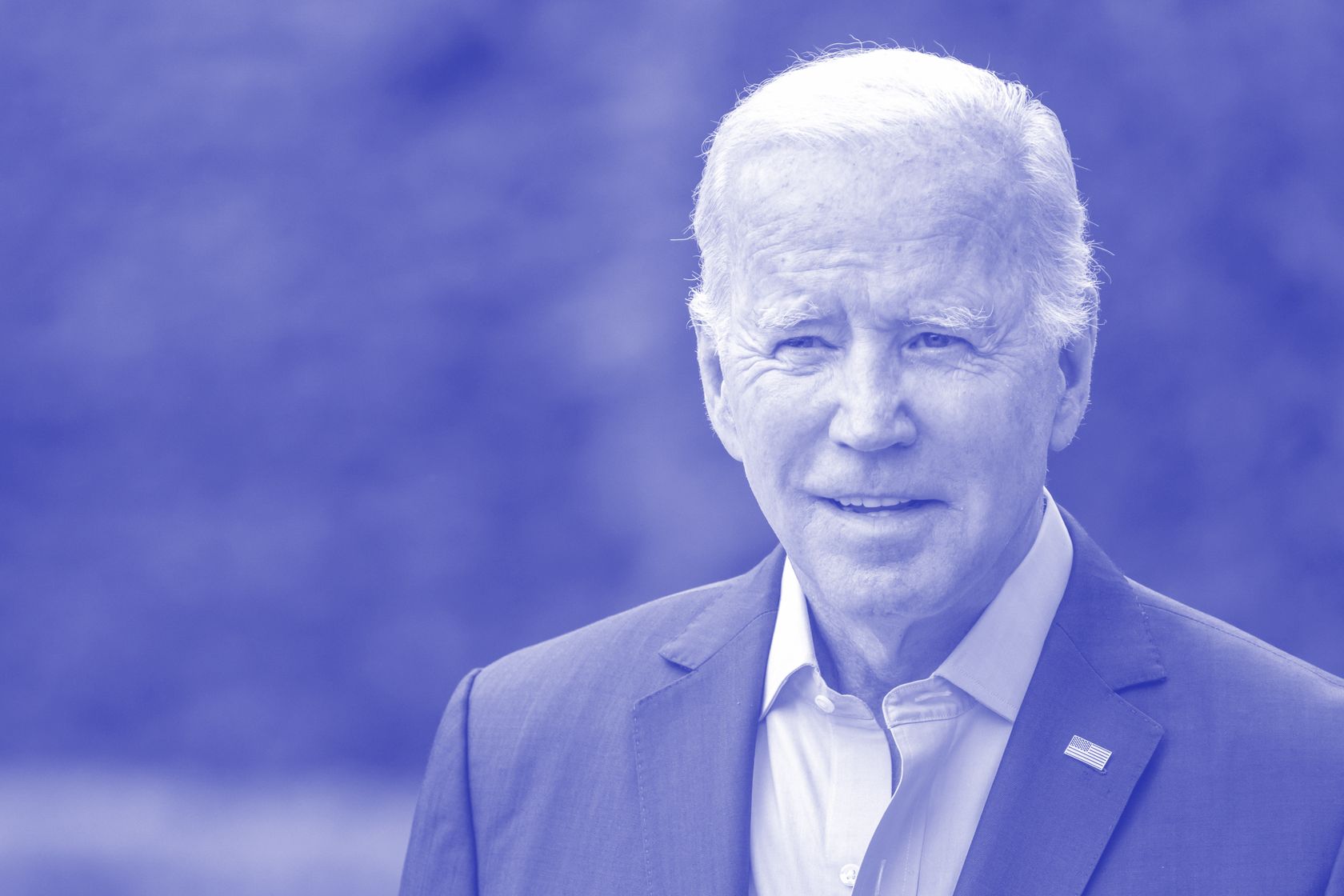
A campaign budget: US President Joe Biden has unveiled his USD7.3 trillion ($11.05 trillion) budget for the 2025 fiscal year, which is expected to become a cornerstone of his campaign for re-election in November this year. Biden’s plans include cutting the country’s deficit by USD3 trillion over the next 10 years, raising taxes by a net total of USD4.9 trillion (a 7% increase on the status quo), as well spending USD895 billion on defence programs in the 2025 fiscal year. While the budget would typically kick off debate with Congress around spending for the upcoming fiscal year, the fate of the budget remains in question, as Congress is yet to approve funding plans for the current fiscal year which began in October. (Reuters)(Wall Street Journal)
2.
Encrypted profits: Social messaging app Telegram has reached 900 million users and is nearing profitability, according to the Financial Times. In his first public interview since 2017, CEO and founder of Telegram, Pavel Durov, told the publication that the app is now making “hundreds of millions of dollars” in revenue after adding advertising and premium subscriptions. He said that he hopes the company will become profitable in 2025, if not sooner, and that the company has been offered “USD30 billion-plus valuations” from potential investors. Despite the offers, Durov said that he sees value in an IPO as a means to democratise access to Telegram’s value, but did not provide a timeline or location for a listing. (Financial Times)
3.
UAE AI spending: Abu Dhabi is setting up an investment firm targeting deals in AI and semiconductors that it hopes will exceed USD100 billion in assets under management in the coming years. The firm will be backed by Mubadala Investment Co, and AI company G42 as foundational partners. MGX was unveiled by the Emirate’s Artificial Intelligence and Advanced Technology Council (AIATC) on Monday, and will be led by Ahmed Yahia Al Idrissi, who is currently the CEO of Mubadala’s Direct Investments platform. MGX’s investment strategy will focus on three main areas: AI infrastructure, semiconductors and AI core technologies and applications. (Abu Dhabi Media Office Press Release)(Bloomberg)
4.
London calling crypto: The London Stock Exchange has announced that it will accept applications for Bitcoin and Ether-backed exchange traded notes from Q2 this year. The LSE said that the admission of some crypto securities may be detrimental to the integrity of the bourse, and that it will only consider admissions where the notes are non-leveraged and backed by Bitcoin or Ether, the underlying cryptoassets are at least 90% held in an offline depository wallet (or subject to equivalent arrangements) and are held by custodians that are subject to sufficient AML regulations in the UK, EU, Jersey, Switzerland or the US. The country’s financial watchdog, the FCA, also said it would not object to such applications, and that a ban offering such instruments to retail investors remains. The news comes as Bitcoin continues to hit record highs, surpassing USD71,000 for the first time. (London Stock Exchange)(Bloomberg)
5.
Open-ended feud: Elon Musk’s AI startup, xAI, will open-source its chatbot Grok, a rival to OpenAI’s ChatGPT. Musk announced the news via a post on X overnight, which is likely to be seen as another attack in the current feud raging between Musk and OpenAI CEO, Sam Altman. Just last week, Musk filed a lawsuit against OpenAI, Altman, and another co-founder of the AI giant, alleging that the company had reneged on its original goal of open-source, not-for-profit AI. The tech billionaire has repeatedly warned against using AI technology for profit by big tech companies, and has accused the Microsoft-backed OpenAI of chasing profits, going back on its promise to remain ‘open’. (Elon Musk’s X post)(Reuters)
6.
Hostile rejection: Choice Hotels International announced that its offer to acquire its rival Wyndham Hotels & Resorts had expired, after an almost 12 month effort to complete the hostile takeover. The offer from Choice valued Wyndham at USD7 billion on current prices, and USD9 billion including debt, expired on Friday. The deal would have created one of the largest budget hotel chains in the country, with almost 1.5 million rooms. In its announcement, Choice criticised Wyndham’s refusal to “constructively and substantively engage on terms” during the negotiations and that it will now focus on its strategy as an independent operator. Choice also announced that its board has approved its share buyback program by 5 million shares, roughly USD600 million. (Choice Press Release)(Wall Street Journal)
7.
Boeing woes: 50 passengers were injured as a LATAM flight from Sydney to Auckland dropped suddenly due to a ‘technical event.’ One passenger is in critical condition while eleven others remain in hospital after Boeing 787 operated by the Chilean airline briefly plummeted mid-flight, causing passengers to fly out of their seats and hit the ceiling of the plane. The incident is the fourth reported on Boeing planes in just over a week, after a United Airlines aircraft ran off the taxiway in Houston, a tyre from a United aircraft fell off just after taking off from San Francisco, and another United flight experienced engine failure after one of its engines was engulfed in flames just 10 minutes after take-off. Boeing has come under intense scrutiny after the cabin door of a Boeing 737 Max-9 jet blew out mid-flight in January. (Sydney Morning Herald)(Fortune)
8.
Sacre bleu: French Prime Minister, Gabriel Attal, said that a number of the country’s state bodies have been hit with cyberattacks of “unprecedented intensity” from Sunday night. Attal’s office said that the government has been able to control the attacks, and sources told Agence France-Presse that the attacks are not currently attributable to Russia. The PM's staff added that a "crisis cell” has been set up to deploy countermeasures, reducing the impact of the attacks enough for most services and access to state websites to be restored. The country is on high alert for cyberattacks as both the Paris Olympics and the European Parliament elections over the summer present significant targets. (Le Monde)
