Biden pushes Supreme Court overhaul
Plus: OpenAI hires local lobbyist amid regulatory scrutiny; Venezuela’s Maduro claims victory in disputed election; Tesla’s autopilot test drive uncovers FSD issues.


Good morning. Here's what happened overnight and what you need to know today.

1.
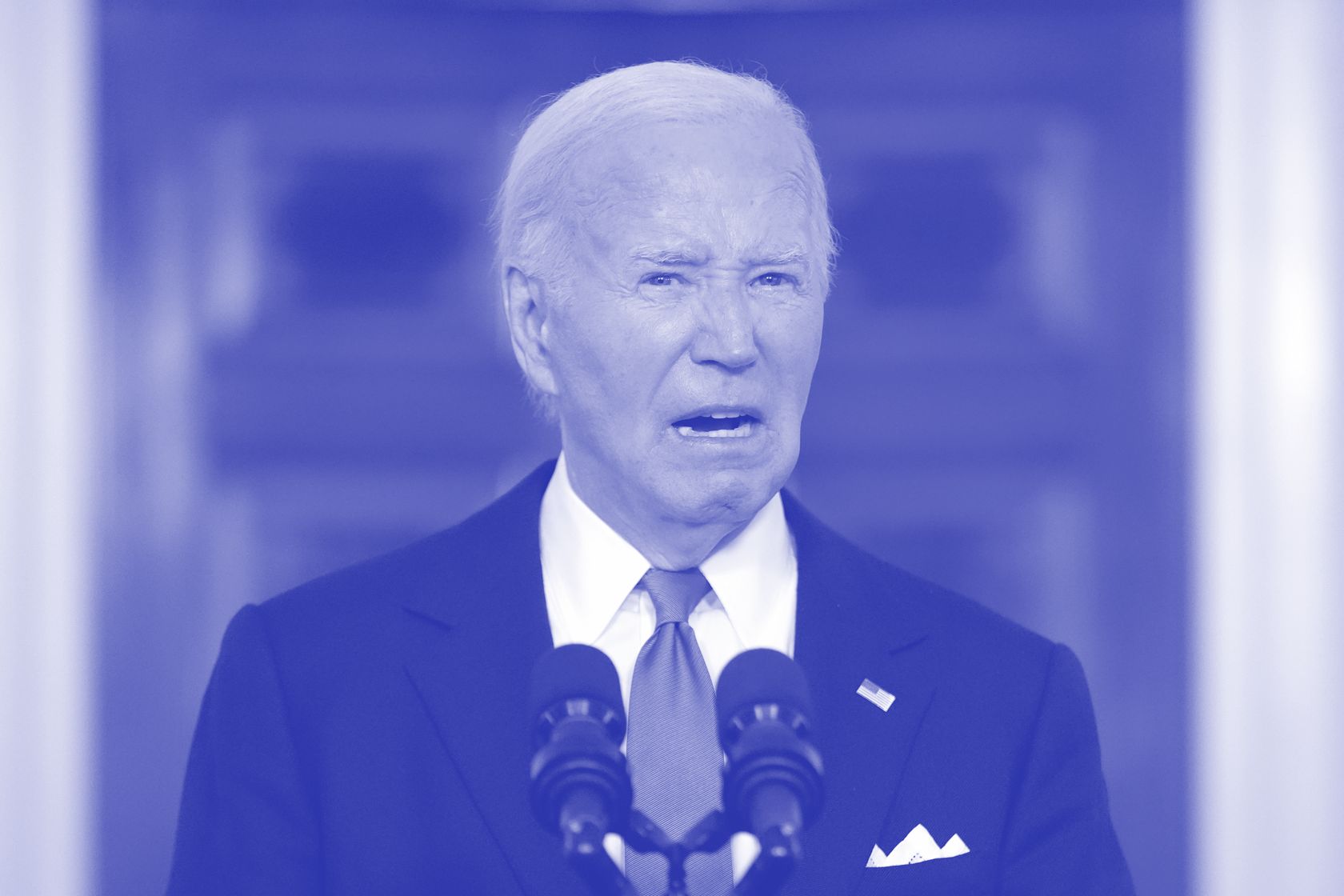
Supreme Court reform: President Joe Biden called for sweeping changes to the US Supreme Court, including adding term limits for justices, an enforceable code of ethics, and a constitutional amendment to strip presidential immunity for crimes committed while in office. In an opinion piece for The Washington Post, Biden said the Court was “mired in a crisis of ethics,” and criticised its decision to grant broad immunity to former presidents, labelling it dangerous. “I am calling for three bold reforms to restore trust and accountability to the court and our democracy,” he said. Biden proposed a system where the president appoints a justice every two years to spend 18 years on the Supreme Court. He said the Court’s voluntary and self-regulated ethics code is weak, and that justices should be required to disclose gifts, avoid public political activities and recuse themselves from cases with conflicts of interest. Biden’s initiative follows growing concerns over the Supreme Court's recent controversial decisions and ethics issues, but faces significant hurdles in a Republican-controlled House and a divided Senate. Vice President Kamala Harris endorsed the proposals. (Capital Brief)(The New York Times)(The Washington Post)
2.
AI lobby: OpenAI has hired Bourke Street Advisory as its local lobbyist amid growing regulatory scrutiny of AI in Australia. The move, disclosed on the Attorney-General’s lobbyist register, comes as the ACCC and Attorney-General’s office increase their oversight of AI technologies. The Department of Industry is working on a framework for responsible AI use, and draft legislation on automated decision-making and privacy reforms is anticipated later this year. Bourke Street Advisory’s Amelia Metcalf, who previously worked as a senior adviser to former Communications Minister Paul Fletcher, will represent OpenAI. The hire comes as the ACCC is considering measures to regulate digital platforms, with a focus on ensuring competition in AI markets. The move also reflects a global trend of tech companies establish local footprints to navigate the regulatory landscape. (Capital Brief)
3.
Contested elections: Venezuelan electoral officials declared President Nicolás Maduro the winner of a third presidential term with 51.2% of the vote in the election, contradicting multiple exit polls that pointed to an opposition win. The National Electoral Council (CNE) said opposition candidate Edmundo González received 44.2% of the vote. The result was disputed by the opposition, which alleged major fraud and irregularities, and claimed its own count of 40% of ballot boxes showed González winning 70% of the vote thus far. Exit polls from Edison Research and Meganalisis had suggested González had won decisively. The election follows 25 years of single-party rule under Hugo Chávez and Maduro, during which the socialist PSUV party has taken control of the executive, legislative and much of the judiciary. US Secretary of State Antony Blinken expressed “serious concerns that the declared outcome does not reflect the will or the votes of the Venezuelan people.” Argentina, Chile, Peru and several other Latin American countries also cast doubt on the result. But Maduro hailed his victory as a triumph of peace and stability, and allies like Cuba, Russia, China and Iran issued messages congratulating him. (Capital Brief)(BBC)(Reuters)
4.
Testy drive: An investment analyst covering Tesla reported narrowly avoiding a crash while test-driving the Model Y’s Full Self-Driving (FSD) system, which Elon Musk has praised. Truist Securities’ William Stein, who maintains a hold rating on Tesla’s shares, found major security issues with the FSD system, including the vehicle accelerating recklessly through an intersection, failing to handle lane changes properly and allowing unsafe hands-free driving. In a report cited by Bloomberg, Stein said that while FSD is “truly amazing,” it remains far from achieving full autonomy. The report comes after Tesla delayed the unveiling of its robotaxi prototype by two months. Stein kept his USD215 ($328) price target on the stock, emerging from the experience “befuddled at what Tesla might show” at the robotaxi prototype unveiling in October, Bloomberg said. Tesla didn’t reply to Bloomberg’s requests for comment but shortly after the report, Musk announced an FSD update on X. Meanwhile, Tesla shares were higher on Monday after Morgan Stanley named the EV company its top US auto stock. (Bloomberg)
5.
Budget Macs: McDonald’s reported its first global sales decline since 2020, with a 1% fall in comparable sales for the second quarter, missing analyst expectations for modest growth as persistent inflation drove lower-income consumers to seek cheaper food options. Overall revenue increased just 1% and CFO Ian Borden forecast continued pressure on consumer budgets. Despite the disappointing results, McDonald’s stock, which is down 15% this year, rose 3.76% as the decline was less severe than feared. The burger chain is addressing slowing sales with limited-edition menu items and a new USD5 ($7.66) meal deal launched in June, which has sold above expectations. It is pursuing an ambitious expansion plan, targeting 50,000 locations worldwide by 2027, up from 42,000 earlier this year. But system-wide sales also took a downturn, suggesting openings aren’t offsetting the weakness in existing outlets. CEO Chris Kempczinski said there was more deal awareness from consumers who have become "very discriminating". "Consumer sentiment in most of our major markets remains low," he said. (Capital Brief)(Reuters)
6.
CapCut threat: ByteDance's CapCut app is swiftly becoming a major competitor in mobile video editing, amassing over 300 million monthly active users and commanding 81% of the market, according to a Bloomberg report citing Sensor Tower data. The app’s user-friendly interface and integration with TikTok is positioning as a threat to Adobe and Canva, according to the report that also cites a Citigroup analyst. Adobe’s mobile apps have less than 2% of CapCut's user base. And Adobe's traditional tools like Photoshop and Premiere Pro risk losing further ground, with CapCut appealing to both casual users and professionals for simpler tasks. Despite Adobe's efforts to develop more accessible tools and Canva's investment in video, CapCut's growth presents a challenge to both players, the report says. However, CapCut could face potential regulatory issues amid the US divest-or-ban law targeting TikTok, which could affect CapCut's future in the US. (Bloomberg)
7.
Olympic sabotage: French telecom infrastructure was hit by a coordinated act of sabotage impacting fiber optic cables across nine regions including Ardèche and Bouches-du-Rhône. The attack affected the networks of at least five major providers, including SFR, Bouygues and Free but did not disrupt Olympic operations in Paris, according to Orange SA. The French Telecom Federation confirmed the incident, which followed arson attacks on rail lines on the eve of the opening ceremony. Repairs are underway, with providers using alternative routes to mitigate service disruptions. The Paris Public Prosecutor’s Office is investigating, with suspicions of far-left involvement in both the rail and telecom attacks. Interior Minister Gérald Darmanin said heightened security measures were in place. (The Guardian)(Gizmodo)(Associated Press)
8.
FBI Files: Former President Donald Trump has agreed to be interviewed by the FBI as part of the investigation into the 13 July assassination attempt in Pennsylvania, officials said Monday. The FBI also revealed the 20-year old gunman, Thomas Crooks, had made and concealed over two dozen online purchases of guns and explosives using an alias. Crooks had researched other assassination attempts, including the shooting of Robert Fico, the Prime Minister of Slovakia, in May, The New York Times reported citing FBI officials. The ongoing investigation has yet to determine the shooter’s motive. The FBI has interviewed over 450 people and is taking the unusual step of releasing details of the ongoing investigation in order to counter conspiracy theories and misinformation. Meanwhile, local Pennsylvania SWAT team members told ABC News they had no contact with Secret Service agents before the would-be assassin opened fired at the rally. (The New York Times)
