Big US job revisions fuel Fed cut talk
Plus: Fed members eye September cut, minutes show; Resilient US shoppers favour Target, ditch Macy’s; Podcast ad ban urged in Albanese reform.


Good morning. Here's what happened overnight and what you need to know today.
1.
Economic picture: Jobs growth in the US economy over the year to March 2024 was significantly weaker than previously reported, according to fresh estimates from the Bureau of Labor Statistics (BLS). The number of jobs added during that period was revised down by 818,000, bringing the total to 2.1 million, according to the preliminary data. It was the largest revision since 2009, revealing a slower labour market than initially thought and adding to concerns about a potential recession. Stocks rose but the reaction was somewhat muted given that although significant, the revisions were within the range of what had been anticipated by the market and mostly coming from cyclical sectors, analysts said. The revisions, which will be finalised in early 2025, come as pressure mounts on the Federal Reserve to cut interest rates, with a reduction likely at the September meeting. (Capital Brief)(BLS)
2.
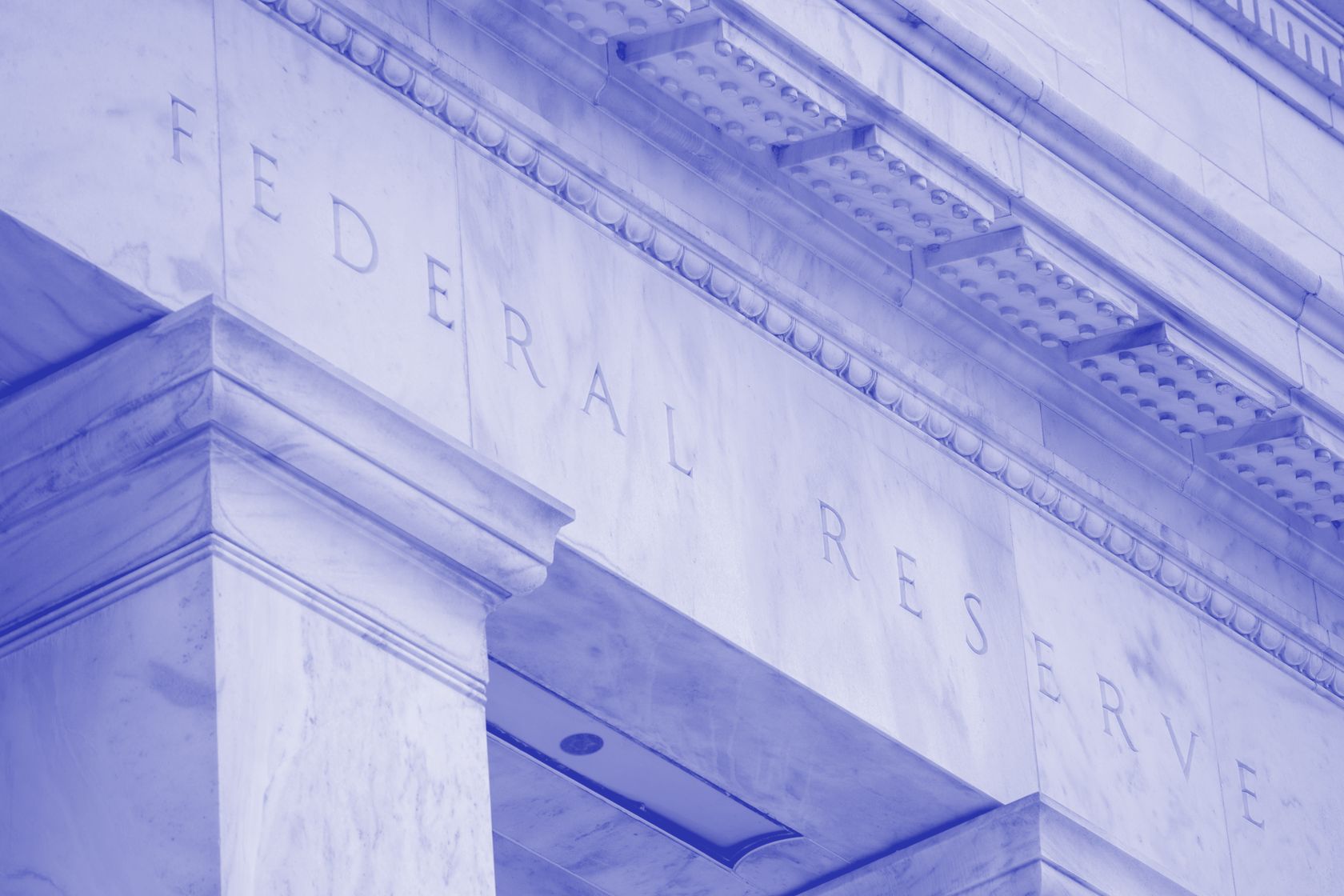
Cut countdown: Minutes from the Federal Reserve's July 30-31 meeting revealed that “the vast majority” of officials leaned towards a September interest rate cut, the central bank said. Although the bankers held rates steady, there was a growing consensus among them for reducing the target range by 25 basis points from its current 5.25%-5.50% range if the data trends continued. “With regard to the outlook for inflation, participants judged that recent data had increased their confidence that inflation was moving sustainably toward 2%,” the statement says. Concerns over labour market conditions also emerged, particularly regarding overstated payroll gains. The market is fully pricing in a September cut, which would be the first since the early Covid-19 crisis. (Fed statement)(CNBC)
3.
Retail divide: Target ended a more than a year-long decline in quarterly sales with a 2% increase in the June quarter, surpassing analyst expectations. Price cuts on thousands of items drove customer demand as the retailer, one of the largest in the US and often considered more upscale to its larger competitor Walmart, focused on product mix and competitive pricing, particularly among discretionary items like apparel and beauty. Echoing comments by Walmart last week, executives said consumers continued to be resilient and value-seeking. Shares rose as much as 16.9% as FY24 its profit forecast were topped. In contrast, the largest department store chain in the US, Macy’s, lowered its earnings guidance for the year due to a “challenging” consumer environment, as comparable sales across brands including Bloomingdale’s fell 4% in Q2. Macy’s shares fell as much as 14% to USD15.25 ($22.58) each. (Capital Brief)(Target statement)(Macy’s statement)
4.
Audio silence: Crossbench MPs are urging the Albanese government to extend its proposed gambling ad ban to include podcasts, arguing that partial restrictions won’t work. Labor’s reform package, which bans gambling ads on social media and restricts them around live sporting events, hasn’t yet addressed audio platforms like Spotify. Independent MPs Andrew Wilkie and Allegra Spender, alongside gambling reform advocates, are calling for comprehensive measures, with Spender calling on the major parties to allow a free vote on the legislation. The government is still consulting on its diluted proposal, with critics have called vague. Media executives, on the other hand, argue the reforms are poorly designed and add further strain to a struggling industry. (Capital Brief)
5.
JD.com exit: Walmart has sold its entire USD3.74 billion ($5.55 billion) stake in Chinese e-commerce giant JD.com, Reuters reported citing unnamed sources. The move comes as it plans to refocus on its own operations in China, particularly its Sam's Club warehouse chain. The sale, marking Walmart’s exit from an eight-year investment, was handled by Morgan Stanley via a placement that was fully subscribed at the top end of the offered range, Reuters said. JD.com shares plummeted nearly 9% in Hong Kong and closed 4.15% in the US. Walmart and JD.com will continue their commercial partnership, the company said. The move comes amid fierce competition in the China's e-commerce sector while sluggish consumer demand diminishes its appeal to investors. (Reuters)
6.
EV retreat: Ford scrapped plans for a three-row electric SUV and pushed back a new electric version of its best-selling pickup, the F-150, in a recalibration of its strategy that it anticipates might cost about USD1.9 billion ($2.82 billion). The decision comes as the US carmaker faces challenges in the crowded EV market, with consumers reluctant to pay higher prices. Ford will instead produce a hybrid version of the SUV and focus on its strengths in pickup trucks and commercial vehicles, the company said. It expects a USD400 million writedown and could incur up to $1.5 billion in additional costs. Ford plans to start making lower-cost lithium iron phosphate (LFP) batteries by 2026 but for now management told Bloomberg in an interview it would not approve any new EV unless they can be profitable in the first year. (Reuters)(Bloomberg)
7.
AI code: OpenAI is opposing California's SB 1047, a bill that would introduce new safety requirements for AI companies, joining a chorus of tech leaders and politicians opposing the legislation. In a letter obtained by Bloomberg, OpenAI argued the bill would harm innovation and that AI regulation should come from the federal government, not the state. The bill, introduced by senator Scott Wiener, seeks to impose safety standards on companies developing large AI models, requiring them to prevent catastrophic risks and disclose compliance to the state's attorney general. Tech firms say the legislation risks driving companies out of California and slow AI development. OpenAI has put expansion plans in San Francisco on hold due to regulatory uncertainty. Wiener defended the bill, saying it is a reasonable measure to ensure AI safety given Congress has not taken action. (Bloomberg)
8.
Golden rush: The gold price surged to a record high of USD2,531 per ounce, as investors have piled into the precious metal in anticipation of interest rate cuts by central banks, led by the US Fed. Lower interest rates often make bonds less attractive as it reduces their potential return, but investors are also seeking safe haven investments from volatility, analysts said. “The historic rise in the price of gold above $2,500 per ounce reflects growing global economic uncertainty and investors’ continued search for safety,” Antonio Ernesto Di Giacomo, a senior market analyst at trading platform XS was quoted as saying by The Guardian. “With economic, geopolitical, and monetary factors driving this surge, gold is solidifying its position as a safe haven in times of volatility.” (The Guardian)(FT)
