Canada's Carney calls election as Trump threats loom
Plus: Labor to take Future Made in Australia to next level; China urges open markets as tariffs bite; OpenAI and Meta explore Reliance expansion, says The Information.

Good morning. Here's what happened overnight and what you need to know today.

1.
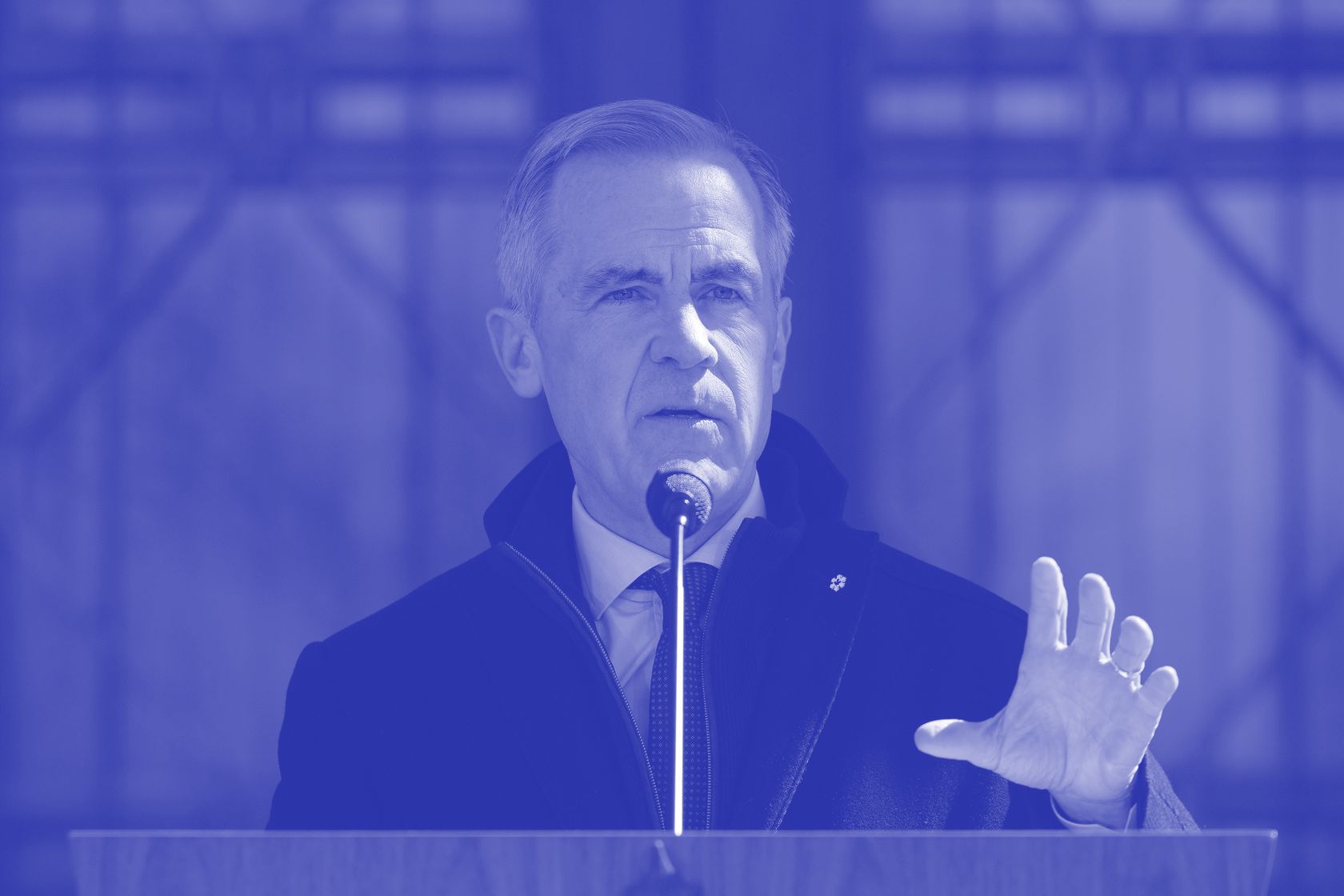
Canada election: Canadian Prime Minister Mark Carney on Sunday called a snap federal election for 28 April, seeking a strong mandate as Canada faces a trade war and sovereignty threats from US President Donald Trump. Carney said the country is facing “the most significant crisis of our lifetimes” due to Trump’s “unjustified trade actions and his threats to our sovereignty.” The election comes as relations with the US deteriorate, with Trump imposing and threatening tariffs, vowing to annex Canada, and repeatedly questioning its sovereignty. “President Trump claims that Canada isn't a real country. He wants to break us so America can own us. We will not let that happen,” Carney said. Trump’s actions have upended Canadian politics, reviving Liberal support and erasing the Conservatives’ lead. Carney’s request to dissolve Parliament was approved by Governor General Mary Simon, nine days after he was sworn in after taking over from Justin Trudeau, who resigned under pressure from his own party. (Capital Brief)(Bloomberg)(WaPo)(Reuters)
2.
Budget week: The Albanese government will double down on its Future Made in Australia plan when treasurer Jim Chalmers hands down his fourth budget on Tuesday, in efforts to better position the nation to respond to Trump-era tariffs and a potential trade war. Finance Minister Katy Gallagher told Capital Brief the $22.7 billion industrial policy will be taken to “another level” and backed by a “Buy Australian” campaign, following Labor’s failed attempt to secure an exemption from US tariffs. Economists aren’t expecting any significant surprises in the budget beyond pre-election measures that have already been flagged, such as extending energy bill relief unveiled by Albanese on Sunday. The PM announced a $150 energy rebate for households and small businesses, following speculation he would extend the $300 rebate delivered in 2024–25. Opposition Leader Peter Dutton, who had opposed previous energy rebates, immediately backed the new package. (Capital Brief)(Capital Brief)
3.
Trade tensions: Chinese premier Li Qiang urged countries to combat “rising instability and uncertainty” by opening up their markets during his opening remarks at the China Development Forum on Sunday. Speaking to a group of business executives in Beijing, the country’s number two leader said that China would pursue economic globalisation despite “fragmentation,” alluding to pressure from incoming US tariffs. "In today's increasingly fragmented world with rising instability and uncertainty, it is more necessary for countries to open up their markets and enterprises ... to resist risks and challenges," Li told CEOs and Republican senator Steve Daines attending the gathering. Daines’ visit marks the first time a US politician has visited China since Trump took office in January. China is working to attract foreign investment in efforts to offset headwinds from US tariffs, which amount to an approximate 20% hike on Chinese imports to the US. (Reuters)(AFP)(Capital Brief)
4.
AI ambitions: OpenAI and Meta Platforms have held separate discussions with India’s Reliance Industries over potential partnerships to expand their artificial intelligence offerings in the country, The Information reported. According to the report, OpenAI executives have spoken multiple times with Reliance about a potential product and sales partnership, including having Reliance’s business units such as Jio sell or distribute its AI solutions, including ChatGPT. Reliance has also discussed selling OpenAI’s models to enterprise customers via an API and potentially hosting them locally, including in a planned three-gigawatt data centre in Jamnagar, Gujarat. Meta is also seeking to work with Reliance on new AI businesses. Meanwhile, Reuters reported existing ByteDance investors including Susquehanna International Group, General Atlantic and KKR are in talks to increase their stakes and acquire TikTok’s US operations to reduce Chinese ownership below 20%. Elsewhere, an OpenAI and MIT study found higher ChatGPT use may correspond with increased loneliness and emotional dependence. (Bloomberg)(The Information)
5.
Oracle scare: A hacker claiming to have stolen six million security credentials from 140,000 companies by breaching cloud computing provider Oracle triggered urgent checks by Australia’s biggest businesses and government departments over the weekend. The hacker, using the name rose87168, posted on an online forum announcing the theft, allegedly via an outdated Oracle login page. More than 1600 Australian internet domains were listed, including the Defence Department, ATO, AFP, major universities and companies such as Telstra, Optus, Qantas, Woolworths, Coles, the ASX, Nine Entertainment and the big banks. Oracle said, “no Oracle Cloud customers experienced a breach or lost any data.” The hacker threatened to publish the credentials unless paid by the organisations. Some named organisations told the AFR they were resetting credentials and taking precautionary steps. MinterEllison cyber risk partner Shannon Sedgwick said the threat appeared legitimate. (AFR)
6.
Drill baby drill: Iraq’s state news agency reports the country plans to raise oil production capacity to over 6 million barrels per day by 2029. Oil ministry undersecretary Bassem Mohamed Khodeir said: “The ministry is working to achieve this goal through projects across all provinces, leveraging exploration activities by the Oil Exploration Company, as well as drilling and production operations under the six licensing rounds.” The ministry pointed to a recent agreement with BP to develop four oil fields in Kirkuk, which Khodeir expects will be signed in the coming days. BP is expected to spend up to USD25 billion ($25.9 billion) over the lifetime of the project. Iraq is currently the second-largest producer within OPEC+, with current output standing at about 4 million barrels per day. (Reuters)(Iraqi News Agency)
7.
Tax trap?: The US IRS is reportedly nearing an agreement with immigration officials to share taxpayer data to support Donald Trump’s deportation agenda, several media reported citing unnamed sources. Under the proposed deal, ICE would submit names and addresses of suspected undocumented immigrants to the IRS, which would cross-reference them with confidential taxpayer databases. The sources said this would be a significant shift, likely marking the first time immigration officials have relied on the tax system in such a sweeping way. The IRS has historically encouraged undocumented immigrants to file taxes using Individual Taxpayer Identification Numbers (ITINs), and over half of the roughly 11 million undocumented immigrants reportedly file income tax returns. Privacy experts and immigrant groups argue the deal would violate strict disclosure laws. (The Guardian)(CNN)(WSJ)
8.
Reputation ransom: Law firms may face a tough choice under new ransomware payment rules coming next month. While ransom payments won’t be outlawed, companies with annual turnover above $3 million will be required, for the first time, to report any payment to the Australian Signals Directorate—similar to reporting a Notifiable Data Breach. McGrathNicol research from late 2024 found 69% of businesses were hit by ransomware in the past five years, with 84% paying an average $1.35 million. Law firms are especially vulnerable, given the value of their data and the complex regulatory environment. The compliance burden and number of affected stakeholders after a breach may make them more likely to pay. (Capital Brief)
