Chalmers concedes on RBA board split
Plus: Fed rate cut near as jobs cool; Microsoft, Amazon reviving old power stations for data hubs; ABC chief exits amid Williams’ critique.


Good morning. Here's what happened overnight and what you need to know today.
1.
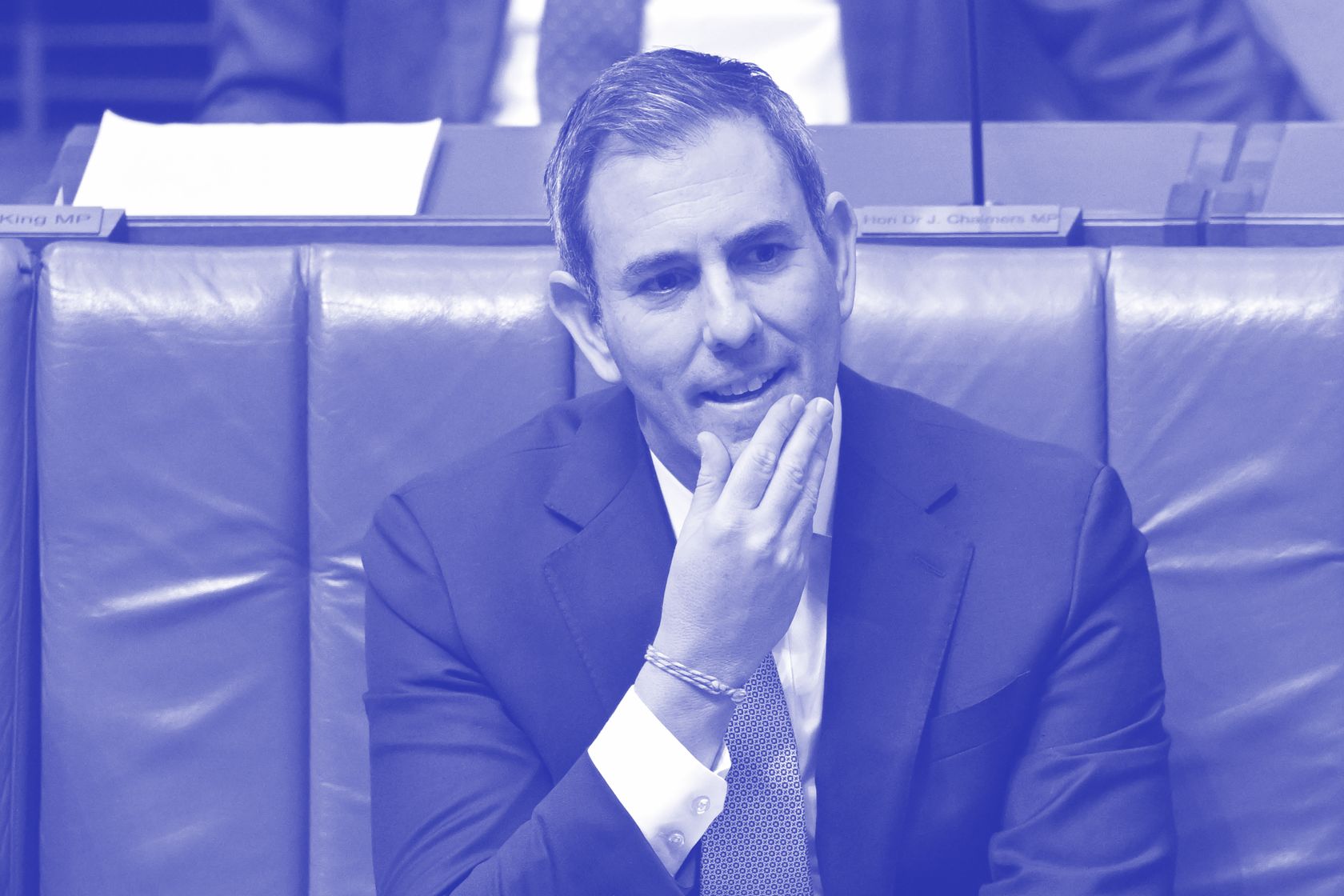
RBA concession: Treasurer Jim Chalmers has made a significant concession in the ongoing Reserve Bank of Australia (RBA) reform negotiations. To secure Coalition support, Chalmers proposed that all current RBA board members automatically transition to the new interest rate-setting board unless they choose to join a separate governance board, according to correspondence cited by the Australian Financial Review. The move aims to address Coalition concerns over potential Labour influence while ensuring continuity on the rate-setting board. Chalmers will also retain the government's power to veto RBA decisions, restricting its use to extreme public interest cases. Shadow Treasurer Angus Taylor said the proposal would be considered, though no agreement has been reached. RBA Governor Michele Bullock has suggested that one or two board members may opt for the governance board. (AFR)(The Australian)
2.
Gradual cooling: New US jobless claims rose slightly to 232,000 last week, showing a steady cooling of the labour market that supports expectations of a 25 basis point interest rate cut by the Federal Reserve next month. Applications rose 4,000 week-on-week, lower than the previous week’s 6,000 increase, data from the Labor Department showed. The four-week moving average fell to its lowest in a month. Continuing claims edged higher to 1.86 million, amid a potentially tougher jobs market for those seeking employment. The data uptick suggests the labour market is cooling under restrictive Federal Reserve policy, but not rapidly. It also aligns with easing inflation pressures and a slowdown in US business activity as measured by the S&P Global's Composite PMI, which dipped to a four-month low of 54.1 in August. (Capital Brief)(DOL)
3.
Power shift: Tech giants Microsoft, Google and Amazon are increasingly exploring converting decommissioned power stations and industrial sites into data centres, The Financial Times reported. Booming demand for AI and the challenges of finding suitable locations is encouraging the tech giants. Many markets in need for data centre capacity face land and power constraints, pushing companies to consider "more complicated sites” such as old power stations, Adam Cookson, head of land transactions for real estate firm Cushman & Wakefield’s EMEA group told the publication. Despite conversion processes that risk being lengthy and costly, Microsoft plans to develop data centres at former power stations near Leeds, UK, while Amazon is planning a campus on the site of the old Birchwood power station in Virginia. (FT)
4.
ABC shakeup: ABC managing director David Anderson has resigned from the public broadcaster after five years in the top job, planning to leave next year to ensure a smooth transition. Anderson’s departure comes just one year after his term was extended by former ABC chair Ita Buttrose through to 2028, and just months after former News Corp boss Kim Williams took over as chair at the beginning of this year. According to media reports, Williams had been critical of the organisation since his arrival, describing aspects of its content as “bland” and overly lifestyle-focused. Anderson said Williams had tried to persuade him to stay on for a full second term, adding that he believed it was the right moment for "leadership renewal" at the ABC. Communications Minister Michelle Rowland thanked Anderson for his service. (Capital Brief)(SMH)
5.
Fed’s move: Two Federal Reserve officials, Boston Fed President Susan Collins and Philadelphia Fed chief Patrick Harker, suggested it is appropriate for the US central bank to begin lowering interest rates soon, advocating a “gradual” and “methodical” approach. In interviews with Bloomberg and Fox ahead of the Fed’s Jackson Hole symposium, the officials stressed the need to preserve a healthy labour market while reducing inflation. Harker said he would prefer more data before determining the exact pace of rate cuts. Investors expect a 75 to 100 basis points reduction by the end of the year, with the first cut fully priced in for September. Kansas City Fed President Jeffrey Schmid said he is awaiting more data before supporting a cut. In fact, Collins and Schmid were not significantly swayed by yesterday’s downward revision to job creation figures. (Bloomberg)
6.
Sweet exit: Nestle CEO Mark Schneider has stepped down after eight years, following a period of underperformance as the Kit-Kat maker has struggled to keep price-sensitive consumers. Schneider, who has led Nestle since 2016, will be succeeded by company veteran Laurent Freixe, Nestle’s executive vice-president and CEO for Latin America, starting 1 September. Under Schneider, Nestle shifted from its category-led structure to five geographic businesses to navigate post-COVID challenges. However, the company struggled recently, cutting its full-year sales outlook and slowing price hikes as customers became more price-sensitive. Nestle’s shares have fallen 8% in 2024, trailing behind rivals like Unilever. Freixe said he’ll focus on core brands while considering M&A opportunities.
7.
Tragic sinking: British tech entrepreneur Mike Lynch, 59, was confirmed dead after his body was retrieved from his sunken yacht off Sicily’s coast on Thursday, according to media reports. The superyacht, Bayesian, sank during a violent storm on Monday. Lynch, 59, had invited friends to celebrate his US fraud trial acquittal. Italian officials also recovered the bodies of Morgan Stanley International’s non-executive chair Jonathan Bloomer and Clifford Chance partner Christopher Morvillo, alongside their wives. The boat’s chef also died, and a seventh person, Lynch’s 18-year-old daughter, is still missing. There were 15 survivors, including Lynch’s wife. As authorities an experts wondered how an anchored USD40 million ($60 million) vessel could have sunk in a safe harbour so quickly, the yacht manufacturer, Italian Sea Group, blamed crew errors for the disaster. Investigations are ongoing and a press conference scheduled for Saturday. (Reuters)
8.
Pedal push: Peloton shares surged over 35% in their biggest gain in 18 months after the fitness company reported its first sales increase in nine quarters and beat earnings estimates. The New York-based firm reported a modest 0.2% sales increase and posted adjusted EBITDA of USD70.3 million, recovering from a USD34.7 million loss a year ago and surpassing the USD53.2 million forecasted by analysts. Investors cheered the progress in its turnaround efforts, including boosting app subscriptions, a bike rental program, retail partnerships, store closures and 15% cut of its global workforce. But management cautioned against subscriber growth in fiscal 2025 amid high interest rates and persistent inflation. (Reuters)(Bloomberg)
