Chalmers turns eye to startups in M&A revamp
Plus: Dubber sacks CEO over missing $26.6m; FAA investigates new Boeing 787 whistleblower claims; Microsoft invests US$2.9b in cloud and AI in Japan.

Good morning. Here's what happened overnight and what you need to know today.

1.
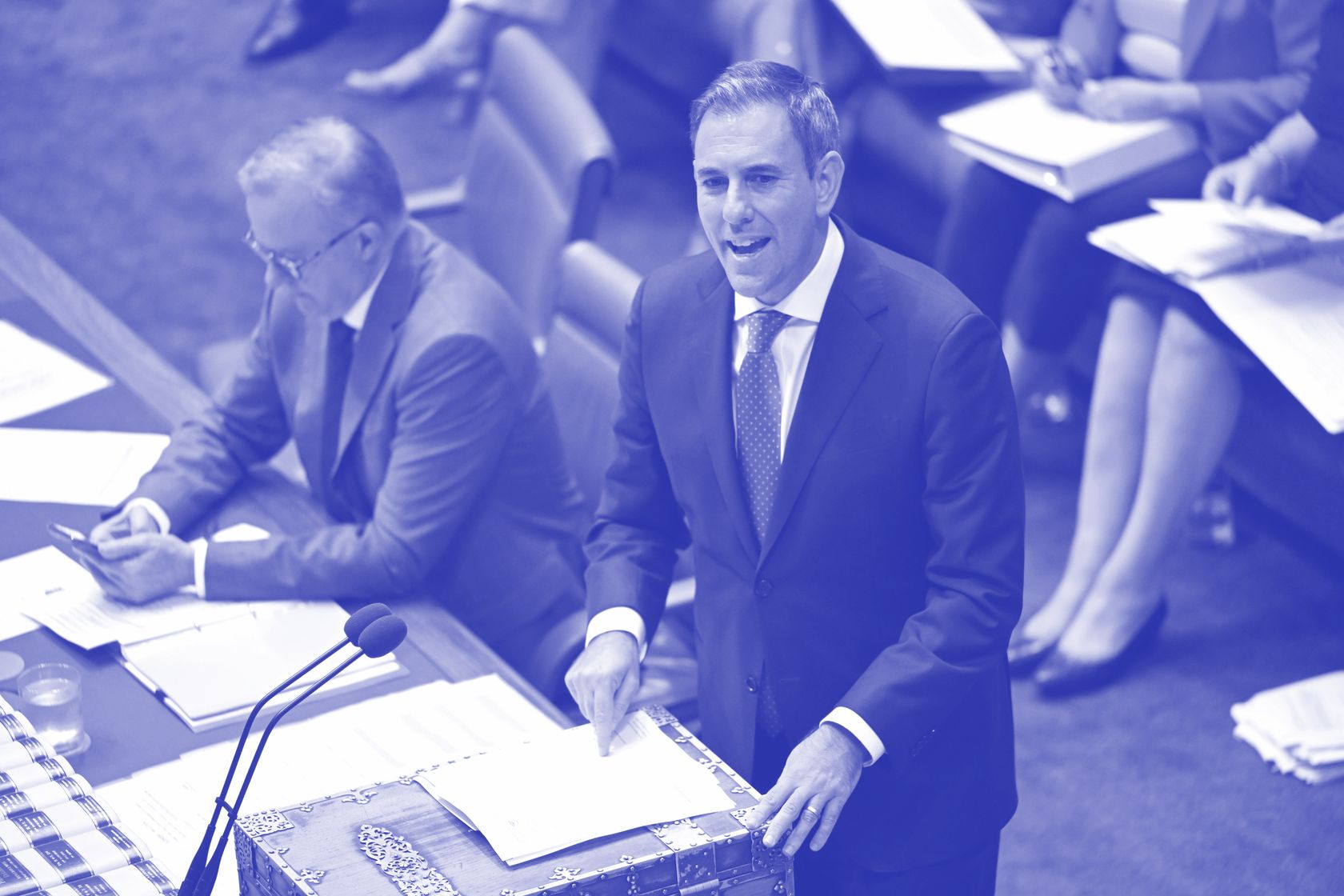
Startup competition: Australian Treasurer Jim Chalmers is expected to pull startup exits into focus when he delivers Labor’s merger rules overhaul this morning, as he pushes for the sector to compete with big businesses rather than being bought out by them in “creeping” or “serial” acquisitions. Due to speak at the ACCC's Bannerman Lecture this morning, Chalmers will state that: “Growth in total market concentration…has nearly doubled, from 1.7 per cent in 2010 to almost 3 per cent in 2020 […] And the rate of entry of new companies is falling, as the average age of businesses rises.” Chalmers wants to give the ACCC the remit to look at three years' worth of past deals when making a judgment on a notifiable merger, regardless of whether those deals were big enough to warrant ACCC scrutiny individually. (Capital Brief)
2.
Unauthorised spending: ASX-listed software firm, Dubber, has fired CEO and managing director, Steve McGovern, and alleges that both McGovern and a third party trustee were likely involved in the unauthorised use of $26.6 million in missing company funds. ASIC commenced an investigation on 1 March after Dubber informed the regulator that it had suspended McGovern after the funds were found to be missing. In a statement released to the ASX after close of trading last night, Dubber said it has terminated the employment of McGovern with immediate effect, and that he has also ceased to be a director of the company. Dubber plans to continue its efforts to pursue recovery of the missing funds. Executive director, Peter Pawlowitsch will remain in the role of acting CEO until a permanent CEO is appointed. Dubber also appointed David Coventry to the role of deputy CEO. (ASX announcement)(Capital Brief)
3.
Boeing dives (again): Shares in Boeing fell during over 2.3% during trading on Tuesday after reports emerged that the Federal Aviation Administration is investigating a whistleblower complaint about safety issues with the plane maker’s 787 Dreamliner. The whistleblower, Sam Salehpour, is a Boeing engineer who worked on the model, and claimed that parts of the 787 fuselage were improperly put together in a way that could weaken the aircraft over time. In a response to the whistleblower report, Boeing told Bloomberg: “These claims about the structural integrity of the 787 are inaccurate and do not represent the comprehensive work Boeing has done to ensure the quality and long-term safety of the aircraft.” The news follows Boeing logging its lowest deliveries in the first quarter since mid-2021, handing over a total of 83 aircraft for the quarter. (Bloomberg)
4.
AI investment: Microsoft will invest USD2.9 billion ($4.38 billion) toward expanding its cloud and AI infrastructure across Japan by 2025, according to a report from Nikkei. The tech giant’s investment marks the company’s largest in Japan to date, and will go towards the upskilling of three million workers in AI, as well as the establishment of a ‘Microsoft Research Asia Lab’ in Tokyo. Microsoft will also partner with the Japanese government to strengthen the country’s cybersecurity resilience, with the tech company’s president, Brad Smith, telling Nikkei: "The threat landscape for cybersecurity has become more challenging ... We're seeing that from China and from Russia in particular, but we're also seeing growing ransomware activity around the world." The announcement is expected to be made during Japanese Prime Minister Fumio Kishida’s visit to the US this week. (Nikkei)
5.
US election: Abortion is set to become a key debate that shapes the US 2024 Presidential Race, after Arizona’s Highest Court revived a 160 year old ban on abortion with a decision handed down on Tuesday. Under a law passed in 2022, abortion through to 15 weeks of pregnancy had been allowed in the state, shortly prior to the US Supreme Court’s decision to overturn Roe v. Wade. However, Arizona’s Supreme Court agreed with abortion opponents and some Republican lawmakers that the 19th century law that bans abortion throughout pregnancy except in lifesaving situations, takes precedence. While it is unclear as to whether the ban will ultimately be enforced, the ruling is expected to make the state ballot in November, and could spill over into other races in the battleground state. (Wall Street Journal)
6.
State support: Shares in French IT consulting firm, Atos, fell 14% after its €1.2 billion refinancing plan failed to reassure investors. On Tuesday, Atos announced that it would receive €450 million from the French state and some creditors in interim loans as it works to reach an agreement to restructure and recapitalise its business. Atos’ refinancing plan seeks to raise €1.2 billion via equity and new loans, to reduce its approximately €4.65 billion debt. Atos, which provides IT and cyber security services to companies and governments, said it needed €600 million in cash to finance its business between now and 2025, in addition to €600 million in credit facilities and loan guarantees. The refinancing would lead to significant dilution for existing shareholders. (Financial Times)
7.
Chip Intel: Intel has seen USD27 billion (15%) wiped off its market value since it published an update about its new chipmaking ‘Intel Foundry’ division on April 2. The update explained the foundry had sales of USD18.9 billion in 2023, down from USD27.5 billion the year prior. Operating losses at the unit also swelled to USD7 billion (from USD5.2 billion) over the same period. The recent fall has pushed the tech giant’s year-to-date performance down 25%, in stark contrast with the performance of Intel’s chipmaking competitors like Nvidia or Taiwan Semiconductor Manufacturing Co. (Bloomberg)
8.
Take-private: L’Occitane International’s billionaire owner Reinold Geiger has almost finalised a deal to take the skin-care company private, according to sources cited by Bloomberg. Geiger owns over 70% of L’Occitane, which has a current market value of around HK$43.6 billion. Geiger is considering buying out minority shareholders at a 20% premium to the February 6 share price of HK$26 per share. Asset manager Blackstone is reportedly providing debt financing for Geiger’s take-private, in a deal that would end L’Occitane’s 14-year listing on Hong Kong’s stock exchange. Trading has been suspended in Hong Kong since Tuesday pending an announcement on the takeover talks. Geiger’s three sons hold senior management positions in the company, but no-one has yet been tapped as Geiger’s likely successor. (Bloomberg)
