Good morning. Here's what happened overnight and what you need to know today.
1.
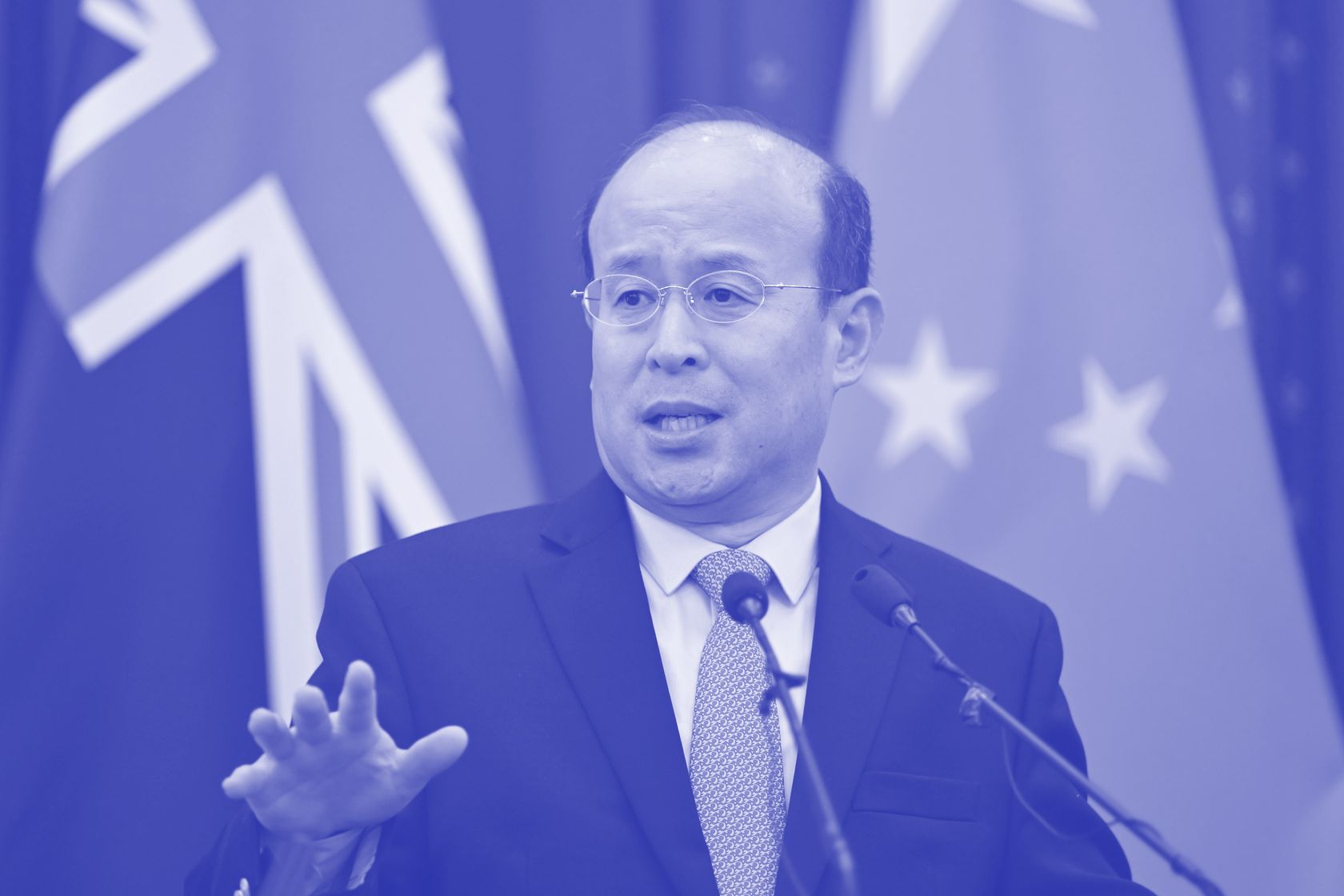
AI overture: China wants to expand its free trade agreement with Australia to cover artificial intelligence and the digital economy, Chinese ambassador Xiao Qian said. Qian, in an opinion piece for the AFR, called for a review of the China-Australia FTA on its tenth anniversary to “actively explore new growth areas in emerging fields like artificial intelligence, healthcare, green energy, and the digital economy.” It comes as Prime Minister Anthony Albanese prepares to travel to China for trade and investment talks with President Xi Jinping and Premier Li Qiang. That, as Australia’s relationship with the US is under strain over new tariffs, the AUKUS submarine deal, and American calls for higher defence spending. On the weekend, Albanese cited John Curtin in a speech about a foreign policy “anchored in strategic reality, not bound by tradition.” Some analysts saw this as a signal of greater independence from Washington, while former ambassador Arthur Sinodinos said the speech reaffirmed bipartisan support for the US alliance. (AFR)(The Australian)
2.
Tariff deadline: US Treasury Secretary Scott Bessent indicated that some countries without a trade deal by the 9 July deadline will have the option of a three-week extension to negotiate, as the Trump administration prepared to send letters to 12 countries, outlining the tariff levels they would face on exports to the US from 1 August. Trump has not named the countries involved, but on Friday said the letters would specify “different amounts of money, different amounts of tariffs,” and are aimed at trading partners that have not reached agreements with the US before next week’s deadline. So far, only Britain and Vietnam have reached agreements with the US. Other major trading partners, including the EU, India, Japan and South Korea, are seeking last-minute deals or extra time to avoid higher tariffs. South Korean Trade Minister Yeo Han-koo met with US Trade Representative Jamieson Greer in Washington to discuss extending the deadline and called for the elimination or reduction of tariffs on automobiles and steel. (Bloomberg)(Reuters)