China’s Xi greets tech titans minus Baidu
Plus: South Korea stockpiles AI chips and shuts out DeepSeek; OPEC+ reportedly mulling delay to April supply increase; European stocks soar as war fears fuel defence rally.

Good morning. Here's what happened overnight and what you need to know today.

1.
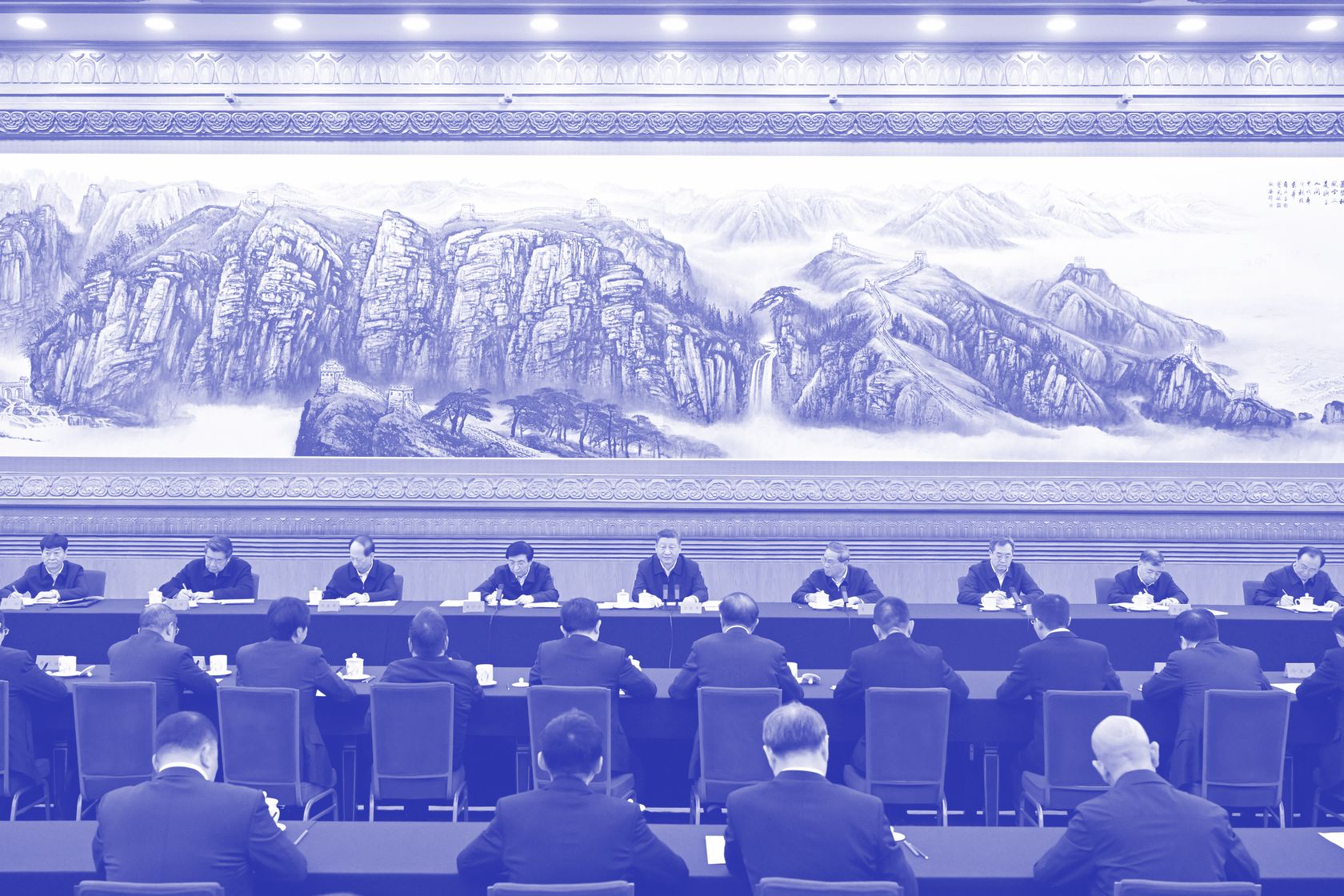
Baidu bloodbath: $3.8 billion was wiped from Baidu's market value on Monday, as shares in the Chinese search engine plummeted following reports that founder Robin Li did not attend a business symposium hosted by President Xi Jinping. Shares in Baidu fell as much as 8.8% before softening losses to close down 7% on Monday, giving the company a market value now at HK$252.05 billion ($50.9 billion). Xi met with Alibaba founder Jack Ma, Huawei’s Ren Zhengfei and other top entrepreneurs in Beijing’s strongest show of support yet for China’s private sector as it seeks to revive economic growth. Baidu founder Robin Li was not present. The reason behind his absence remains unknown, which is likely to continue fuelling speculation that the company no longer holds as much weight in the market. The symposium marks the first high-profile meeting with private entrepreneurs since Beijing’s tech crackdown in 2020. (Reuters)(FT)(Capital Brief)
2.
GPU grab: South Korea plans to secure 10,000 high-performance GPUs this year as competition in the AI industry intensifies, acting President Choi Sang-mok announced. The government aims to acquire the GPUs through public-private cooperation to help launch services at its national AI computing centre. Details on budget, GPU models and participating companies will be finalised by September, officials said. It follows new US regulations restricting the export of AI chips, but South Korea is among about 18 countries largely exempt. Meanwhile, South Korea’s data protection authority suspended new downloads of the Chinese AI app DeepSeek after the company admitted to failing to comply with some of the agency's data protection rules. Elsewhere in Asian tech, Standard Chartered’s Hong Kong banking division, Animoca Brands and HKT said a JV will apply for a licence from the Hong Kong Monetary Authority to issue a Hong Kong dollar-backed stablecoin. (Reuters)
3.
Oil balance: OPEC+ is considering delaying its planned April oil supply increases, Bloomberg reported, citing unnamed delegates. Some said the market remains too fragile, while others noted no decision had been made. Meanwhile, Reuters reported that three unnamed OPEC+ delegates said no discussions on a delay had occurred, and noted Russian state news agency RIA quoted Deputy Prime Minister Alexander Novak stating the timeframe “remains the same.” OPEC+ has postponed its production roadmap three times since June last year due to weak demand and rising non-OPEC supply. The IEA projects a 450,000 barrel-per-day surplus this year, and JPMorgan and Citigroup expect oil prices to fall into the USD60s by late 2025. Reuters calculates the planned April increase is around 138,000 barrels. A final decision on the April output is expected in early March, Bloomberg reported. (Capital Brief)(Bloomberg)(Reuters)
4.
Europe security: European shares hit record highs on Monday, led by defence stocks, as investors bet that governments will increase military spending as the US forces EU countries to take on a greater share of the bloc’s security. The Stoxx Europe aerospace and defence index hit its highest level since the early 1990s, with arms companies also climbing on the news. Rheinmetall was up 9.9% in Frankfurt, BAE Systems rose 7.3% in London and Thales climbed 7% in Paris. Key European leaders met in Paris for an emergency summit to devise a response to US President Donald Trump’s call to open talks with Russia on ending the Ukraine war. Ukraine officials will not be present at the meeting between US and Russian officials which has been set for Tuesday in Riyadh. The move prompted Ukrainian representatives to state that holding this “backdoor, backdealing” meeting without Ukraine present “makes the situation dangerous.” (FT)(Bloomberg)
5.
IPO pressure: Fast fashion giant Shein is facing intensifying pressure from investors to reduce its valuation in order to get its planned UK IPO over the line, according to sources cited by Bloomberg. Shein has previously been valued at up to USD100 billion ($157.14 billion), but may need to drastically cut that figure down to USD30 billion as questions around its supply chain and labour practices weigh on the company’s reputation.The high-volume, low-cost fashion retailer is viewed as one of the world’s most successful startups, and has been searching for a suitable listing location for a number of years. Shein redirected its listing energy from the US to the UK early last year after facing substantial regulatory scrutiny and political attention in the US. In June 2024 Shein filed papers for a London IPO, but continues to struggle finding backers as enthusiasm around the company fades. (Bloomberg)(Capital Brief)
6.
Aussie biotech: Aussie venture capital icon, Bill Ferris, is betting on a return of institutional investors to the biotech sector, after Brisbane-based AdvanCell banked USD112 million ($178 million) in one of 2025’s biggest rounds so far. Developing nuclear medicine technology designed to treat tumours, AdvanCell is considered Australia's fastest-rising biotech startup, and saw high profile investors tip in to its sizeable Series C round. While the sector is still often overlooked by LPs in venture funds and other institutional investors, Ferris told Capital Brief: "This sector presents a global opportunity - almost an obligation - for Australia to step up." AdvanCell's raise came amid growing interest in radiopharmaceuticals, and the startup’s recent collaboration with US pharma giant Eli Lilly, which wants to push deeper into radiopharma has also put the Australian nuclear medicine innovator centre stage. (Capital Brief)
7.
Steely interference: Japan’s Prime Minister Shigeru Ishiba responded to the US government’s decision to block Nippon Steel’s acquisition of US Steel, saying the move was “unjust political interference.” In January, US Steel and Nippon Steel sued former President Joe Biden after he blocked their proposed USD14.1 billion ($22.57 billion) merger, and claimed Biden influenced the Committee on Foreign Investment in the US (CFIUS) to prevent a fair review and dismissed their proposed national security commitments. Last week Donald Trump (who also opposed the takeover) said that Nippon had abandoned its plan to buy US Steel, and would instead “invest heavily” in the producer. While a deal has not yet been finalised, Trump said the possibility of an investment in the iconic company was “very exciting.” (Reuters)
8.
Amplats payout: Anglo American Platinum (Amplats) will deliver an additional 15.7 billion rand ($1.34 billion) cash payout ahead of its exit from Anglo American later in 2025. The total dividend for 2024 will come to 71.75 rand per share, inclusive of the additional payout. Profit fell 45% to 7.1 billion rand in 2024 in what was Amplats’ third consecutive year of declining earnings. In May 2024, Anglo American unveiled plans to shed its controlling stake in the platinum business as part of a wider restructuring prompted by BHP’s failed pursuit to take over Anglo American. BHP walked away from the potential $74 billion takeover hours before a ‘put-up-or-shut-up’ deadline, after BHP failed to gain the support of Anglo’s board. In its results, Amplats CEO Craig Miller said the demerger is on track for completion in June, and will reduce Anglo’s stake in the Amplats unit to 19.9% (from around 67%). (Anglo American Platinum annual results)(Bloomberg)(Capital Brief)
