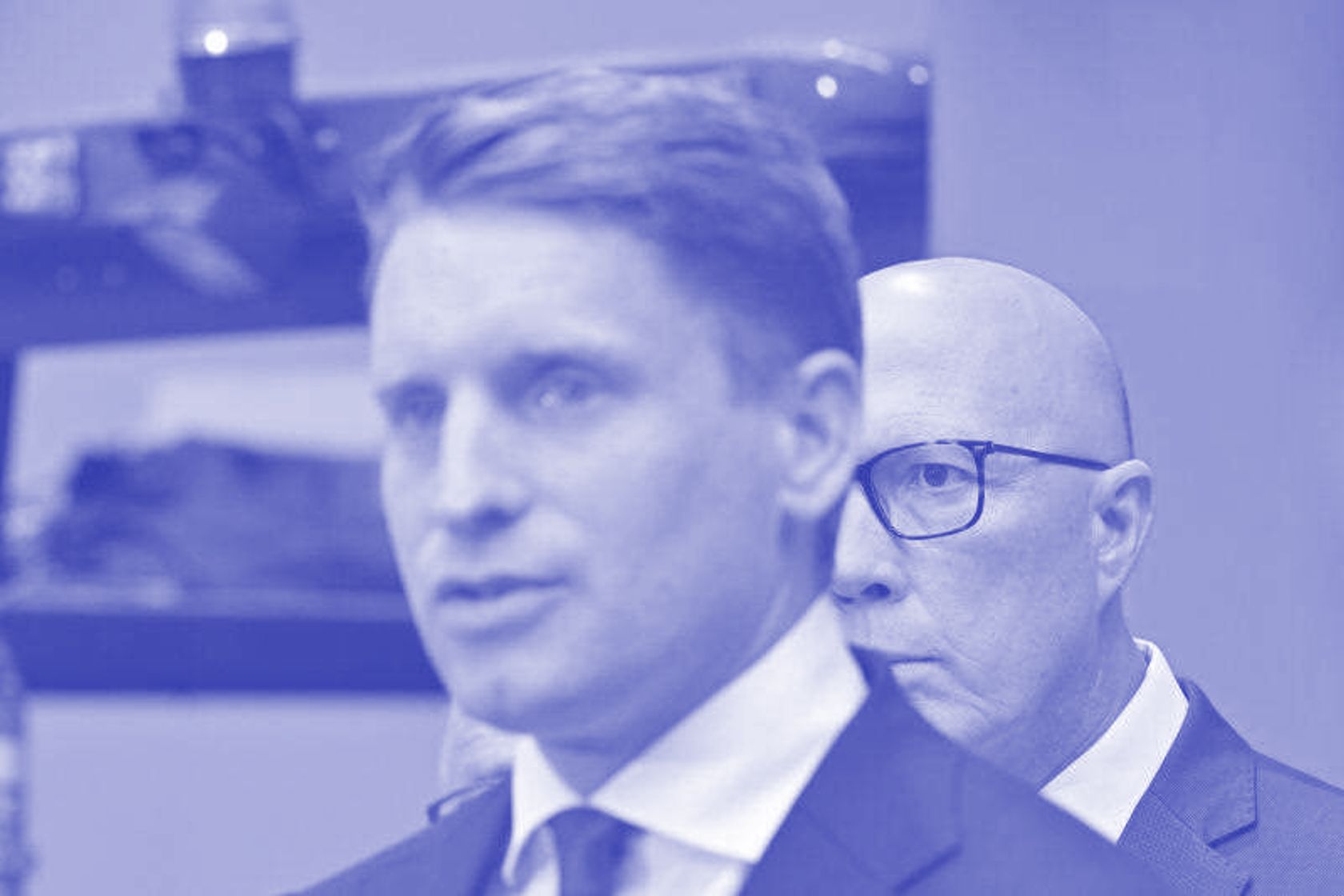
Standing up in Perth with 10 days to go until polling day, Peter Dutton and his defence spokesman Andrew Hastie unveiled their plan to outflank Labor on national security by spending an additional $21 billion on the defence budget. But among the Coalition ranks, the reaction was tepid — not because of the scale of the promise but the timing and execution.
The commitment to lift defence spending from just over 2% of GDP to 2.5% within five years, and 3% within a decade, aligns with what national security experts have long urged. Yet the policy appeared undercooked.
The Coalition didn't immediately say where the $21 billion would come from. Then, in the press conference, Dutton suggested it would be paid for by repealing Labor’s income tax cuts. But that sits awkwardly with his promised "aspiration" to index tax brackets.
It gave Anthony Albanese an easy opening, with the prime minister accusing the Coalition of being “unable to say where the money would come from, except for … confirming that they will put up income taxes this election campaign”.