Coles, Woolies face fines under new code
Plus: China to enter talks with EU over EV tariffs; Nvidia signs with Qatar’s Ooredoo in first Middle East deal; Israeli business leaders call for early elections.


Good morning. Here's what happened overnight and what you need to know today.

1.
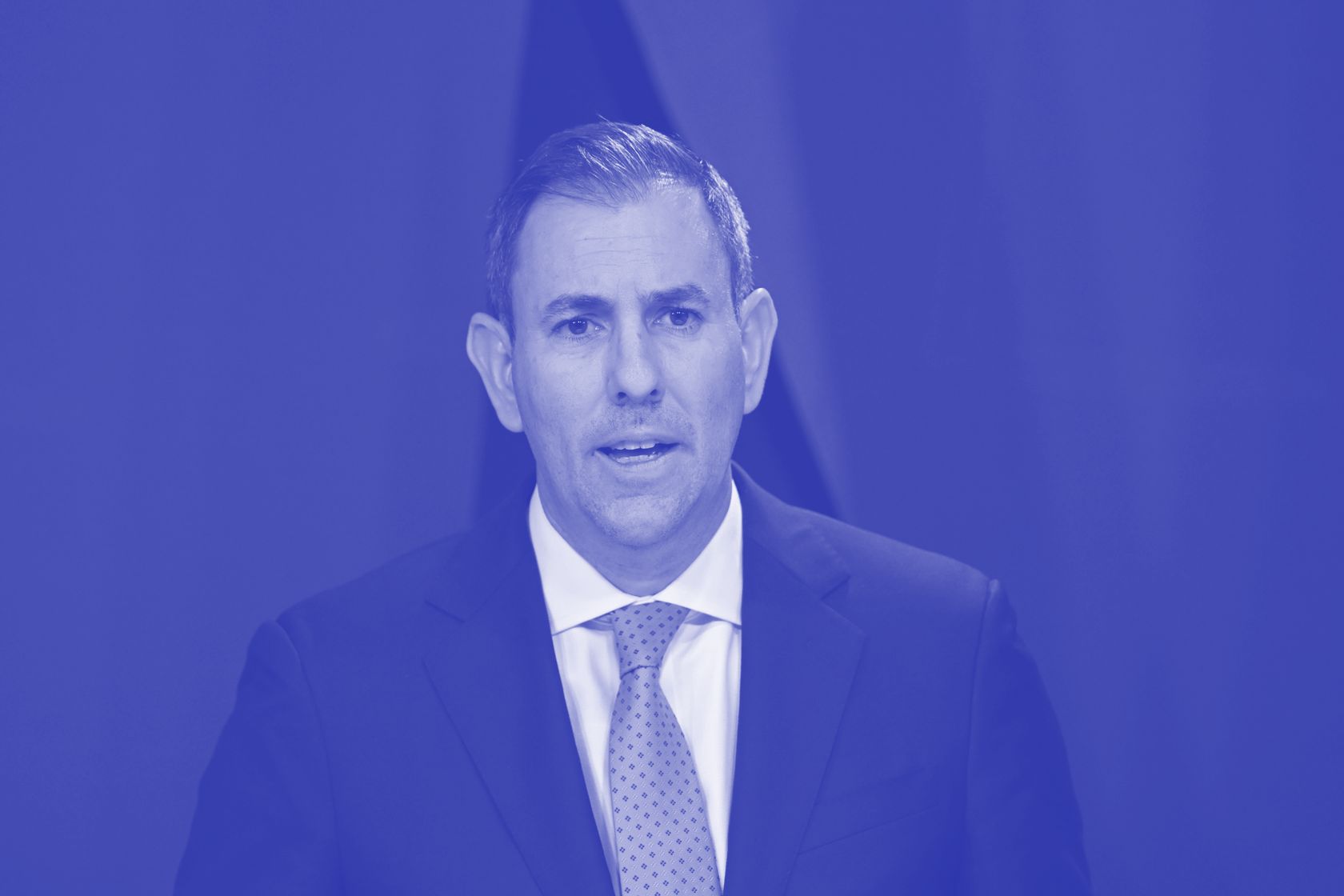
Supermarket shakeup: The Australian government has confirmed it will enforce a mandatory Food and Grocery code of conduct on major supermarket chains, compelling them to treat suppliers fairly under the threat of substantial fines. Treasurer Jim Chalmers on Sunday said the government would accept the recommendations from a review by former Labor minister Craig Emerson. Woolworths, Coles and other major supermarkets will face penalties worth the greatest of $10 million, three times the benefit gained or 10% of annual revenue, for serious breaches of anti-competitive behaviour. Supermarkets with annual sales over $5 billion, also including Aldi and Metcash, must comply with the strengthened code, with Costco and Amazon potentially being covered in the future. The code will mandate that supermarkets act in good faith and prohibit retribution against suppliers who complain. The ACCC will oversee enforcement and can issue upfront infringement notices. Meanwhile, cash transporter Armaguard has secured a $50 million funding deal with major retailers and banks to ensure cash distribution for a year, pending ACCC approval, the AFR reported. The agreement, finalised over the weekend, mandates Armaguard to meet efficiency goals. (ABC)(Bloomberg)(The Australian Financial Review)
2.
Tariff tango: China has agreed to enter talks with the European Union regarding the bloc’s decision to impose higher tariffs on Chinese electric vehicles. China's Commerce Minister, Wang Wentao, and EU Trade Commissioner Valdis Dombrovskis will discuss the EU's plan for tariffs of up to 38% on Chinese electric cars, according to a statement reported by The New York Times. Germany's Vice Chancellor Robert Habeck expressed hope that tariffs could be avoided. The European Commission, the union’s executive branch, this month proposed the tariffs to counter what it views as unfair subsidies. China denies improper subsidisation, attributing its success to efficient manufacturing. Last week, China proposed tariffs on European imports like pork, widely seen as a retaliatory measure. While State-controlled Chinese media reported the Chinese auto industry is urging the commerce ministry to impose tariffs on European gasoline-powered car imports, primarily impacting German automakers. (The New York Times)(Financial Times)
3.
AI oasis: Nvidia has signed a deal with Qatari telecoms group Ooredoo to deploy AI technology in its data centres across five Middle Eastern countries, Reuters reported. It is Nvidia's first major launch in a region to which the US has restricted advanced chip exports to prevent Chinese access to AI tech. Ooredoo will be the first in the region to offer direct access to Nvidia's AI and graphics processing technology to clients in Qatar, Algeria, Tunisia, Oman, Kuwait and the Maldives. The companies did not disclose the value of the deal, which was signed on the sidelines of a conference in Copenhagen on 19 June, or the specific technology involved. Washington permits the export of some Nvidia technology to the Middle East but restricts the most advanced chips. (Reuters)
4.
Biz revolt: A group of Israel’s top 200 business leaders is calling for early elections, driven by frustration with Prime Minister Benjamin Netanyahu and to prevent a deep economic crisis, Bloomberg reported. The group includes owners, chairs, and CEOs of major companies, representing half the TA-35 index. Separately, frustrated tech business leaders are considering entering politics, with discussions ranging from forming a new party, running candidates on existing lists, or taking key roles in major ministries. Tech veteran Eyal Waldman, who sold his company to Nvidia in 2019 for USD7 billion ($10.5 billion) and whose daughter was killed in Hamas’ 7 October attack, aims to overthrow Netanyahu. Venture capitalist Chemi Peres, son of former president Shimon Peres, and other tech industry leaders have considered political roles. Meanwhile, minor scuffles broke out between police and protesters in Tel Aviv on Saturday. (Bloomberg)
5.
Billionaire shackles: A Swiss court sentenced four members of Britain's richest family, the Hindujas, to jail for exploiting Indian staff at their Geneva mansion. Prakash Hinduja and his wife, Kamal, received four years and six months each, while their son Ajay and his wife, Namrata, were given four-year terms. The family, whose fortune is estimated at £37 billion ($70 billion), brought servants from India and confiscated their passports. Prosecutor Yves Bertossa accused the family of abusing their power to save money, with staff earning between £195 and £350 monthly to work 18-hour days. Despite reaching an out of court settlement with the employees, the prosecution pursued the case due to the gravity of the human trafficking accusations, of which the family was acquitted. Defence lawyers contended the employees received benefits and were not mistreated. The Hinduja Group operates in 38 countries with interests in various sectors and employs about 200,000 people. (BBC)(The Guardian)
6.
AI alliance: Longtime rivals Apple and Meta have held discussions to integrate Meta’s generative AI model into Apple Intelligence, its newly announced AI system for iPhones and other devices, The Wall Street Journal reported, citing sources. Meta and other generative AI developers want to leverage Apple’s massive distribution network through its iPhones to expand adoption of their models. Apple is partnering with external companies like OpenAI, whose ChatGPT it announced as its first partner earlier this month. The Tim Cook-helmed company is also in talks with Google, Anthropic and Perplexity for similar integrations, the newspaper reported. The partnerships would involve AI companies selling premium subscriptions through Apple Intelligence, with Apple taking a cut of the revenue. The discussions are fluid and could fall through, the Journal said. (The Wall Street Journal)
7.
Dealership ransom: A hacker group claiming to have breached CDK Global, a software provider for thousands of car dealerships in North America, demanded tens of millions of dollars in ransom that the company planned to pay, Bloomberg reported, citing a source familiar with the matter. The hackers, believed to be from Eastern Europe, caused chaos after CDK shut down its systems on June 19, disrupting sales, repairs, and deliveries for approximately 15,000 dealerships. The outage was ongoing by Friday and coincides with an end-of-quarter sales push across an industry that topped USD1.2 trillion ($1.8 trillion) in US sales last year. Over the weekend, CDK said it had begun to restore its systems and expected the process to take “several days and not weeks,” Bloomberg reported. (Bloomberg)(Fortune)
8.
Gaza conflict: Israeli Prime Minister Benjamin Netanyahu repeated criticisms of the Biden administration for reducing the supply of munitions, calling on Sunday for expedited shipments as Israel continued strikes in Gaza. Defence Minister Yoav Gallant is in Washington for meetings with senior US officials to address the tensions and discuss escalating hostilities with Hezbollah on the Lebanese border. Over the weekend, airstrikes in Gaza City targeted Hamas infrastructure, resulting in high casualties. An Israeli strike on a training college near Gaza City being used to distribute aid killed eight Palestinians, Reuters reported. On Saturday, more than 30 people were killed in strikes on residential areas, the Palestinian Civil Defense emergency rescue organisation told The New York Times. In another incident, Israeli troops tied a wounded Palestinian to a military vehicle during a raid in Jenin. The footage went viral, prompting outrage. On Friday, Israeli forces pounded Rafah, killing at least 45 Palestinians, while shelling in Mawasi, southern Gaza, damaged the office of the International Committee of the Red Cross (ICRC). The EU’s foreign affairs chief, Josep Borrell Fontelles, condemned the shelling near the Red Cross and called for an independent probe. (The New York Times)(Reuters)(The Guardian)
