ECB holds rates at record high
Plus: US to build port to deliver aid to Gaza; NYCB sees deposits shrink by US$12b; UK’s Nationwide to buy Virgin Money for £2.9b.

Good morning. Here's what happened overnight and what you need to know today.

1.
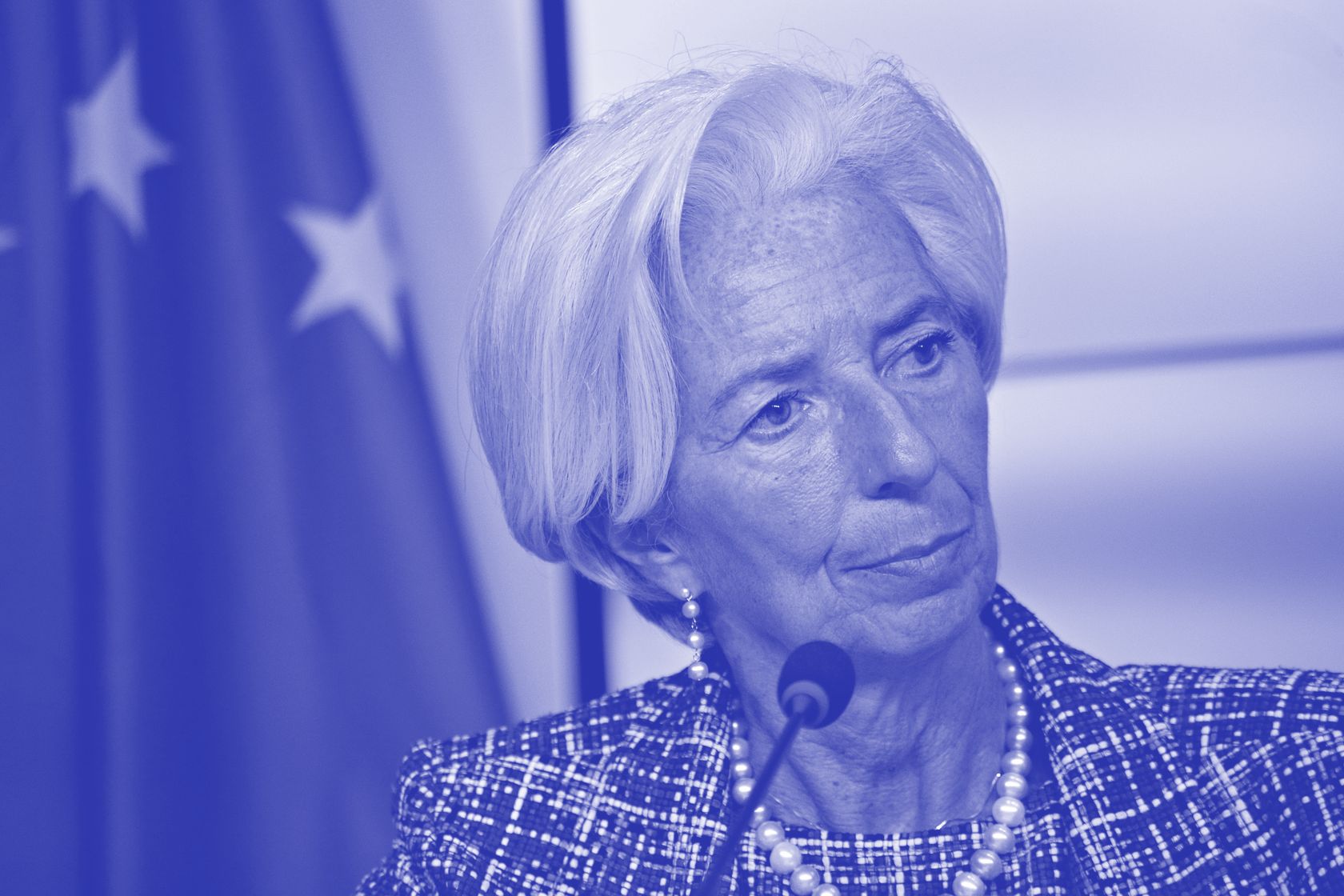
Euro rates: The ECB has held rates at a record 4% high for a fourth consecutive Governing Council meeting. The ECB's interest rate on the main refinancing operations, the interest rates on the marginal lending facility, and the deposit facility will remain unchanged, at 4.50%, 4.75% and 4.00% respectively. A statement from the ECB explains that while it has decided to hold rates steady since its last meeting in January, inflation has continued to decline. The central bank reiterated its goal of bringing inflation back down to its 2% target, stating that the ECB’s current rates are at levels which if maintained, will substantially contribute to reaching this goal. The central bank’s president Christine Lagarde told reporters: “We clearly need more evidence, more detail […] We know that this data will come in the next few months. We will know a little more in April, but we will know a lot more in June.” (ECB Press Release)(Bloomberg)
2.
Gaza aid: US President Joe Biden is set to announce a plan to establish a temporary port on the Gaza coast in order to increase the flow of humanitarian aid into the warzone. According to sources cited by the Associated Press, the operation will not require US troops to be on the ground to build the pier intended for aid shipments to be delivered into Gaza. Biden will use his State of the Union address later on Thursday to make the announcement. The news comes just days after the country made its first aid airdrops into the territory. (Associated Press)
3.
Cash crunch: The New York Community Bank saw deposits shrink by USD12 billion ($18.13 billion) in just three days, leading it to raise USD1 billion in a deal led by Steven Mnuchin’s investment fund, Liberty Strategic Capital. The NYCB’s credit rating was downgraded to ‘junk’ by Moody’s over the weekend, which led to a cash crunch as core deposits shrank by just over USD12 billion in three days. The USD12 billion amounts to around half of the bank’s total uninsured deposits. Shares in NYCB plunged over 40% during trading on Wednesday, before being halted at USD1.86 for the funding announcement. The stock rebounded on the news, closing up 7.5% and continued to climb during trading on Thursday. (Barron's)(Financial Times)
4.
Bank on it: The UK’s Nationwide Building Society has reached an agreement to buy Virgin Money, its latest step in efforts to compete with the country’s big four banks. The £2.9 billion deal sees Nationwide offer 220 pence per share which includes a 2 pence final dividend. The transaction marks a 38% premium on Virgin Money’s closing share price on Wednesday. When completed, the group would have total assets of around £366 billion, making it the second largest mortgages and savings provider in the UK. The transaction would create a group with 696 branches, second only to Lloyds. The offer is expected to be supported by the Virgin Money board and Virgin group. (Nationwide Deal Announcement)(Nationwide Press Release)(Financial Times)
5.
Greensill woes: The UK government has brought a High Court action to bar the founder of collapsed firm Greensill Capital, Lex Greensill, as a director. Greensill founded his eponymous supply chain finance company in 2011, and achieved unicorn status with a General Atlantic investment in 2018. By 2019, the firm was valued at USD3.5 billion after Softbank invested USD800 million. However, Greensill’s success was short-lived, and the company collapsed in 2021 amid a lobbying scandal that embroiled leading financial institutions and politicians including former UK Prime Minister, David Cameron. The action brought on Thursday comes as the UK’s insolvency Service completed an investigation into the company’s collapse. If found guilty, Greensill could be barred from holding directorships for up to 15 years. (Financial Times)(CityAM)
6.
Tipping the scales: Novo Nordisk’s market valuation surpassed Tesla on Thursday after the pharmaceutical manufacturer announced positive early trial data for a highly anticipated new obesity drug. Shares in Novo Nordisk surged over 10% during trading to record highs, pushing the company up in global ranking to 12th position at a market valuation of over USD566 billion. The Wegovy maker's new treatment, called amycretin, operates in a similar manner to its Wegovy drug, and helped patients shed 13% of their weight over a 12 week trial. The early stage results suggest that the pill could be even more effective than the Wegovy injection. (Reuters)(Bloomberg)
7.
Late delivery: Amazon is pushing the pause button on its global domination, delaying the launch of online storefronts in Switzerland, Ireland and other countries as it focuses on turning profit on its international ecommerce business. A report by The Information found that a slew of Amazon's large-scale global launches have not come to fruition over recent years, in another sign that CEO Andy Jassy is focusing on reining-in costs. The company has shut down a number of unprofitable businesses, and has laid off over 27,000 employees in the last two years. (The Information)
8.
OECD data: The OECD has said that wealthy countries’ borrowing is on track to reach a record high during 2024, as they are forced to refinance debt at higher rates, squeezing government plans for spending. Debt issuance across 38 industrialised countries will rise 12% to USD15.8 trillion this year, largely due to a surge in bonds that need to be refinanced. The OECD expects governments’ total bond debt to rise to USD56 trillion this year, up from USD54 trillion in 2023. The US will represent roughly half of this debt, twice its share in 2008, while the EU will account for 20%, Japan for 16% and Britain for 6%. “A new macroeconomic landscape of higher inflation and more restrictive monetary policies is transforming bond markets globally at a pace not seen in decades,” OECD Secretary-General Mathias Cormann said. (OECD Press Release)(Reuters)(Financial Times)
