Food fight
The nation's biggest supermarket chains are an easy target for those seeking to score political points during the depths of summer.


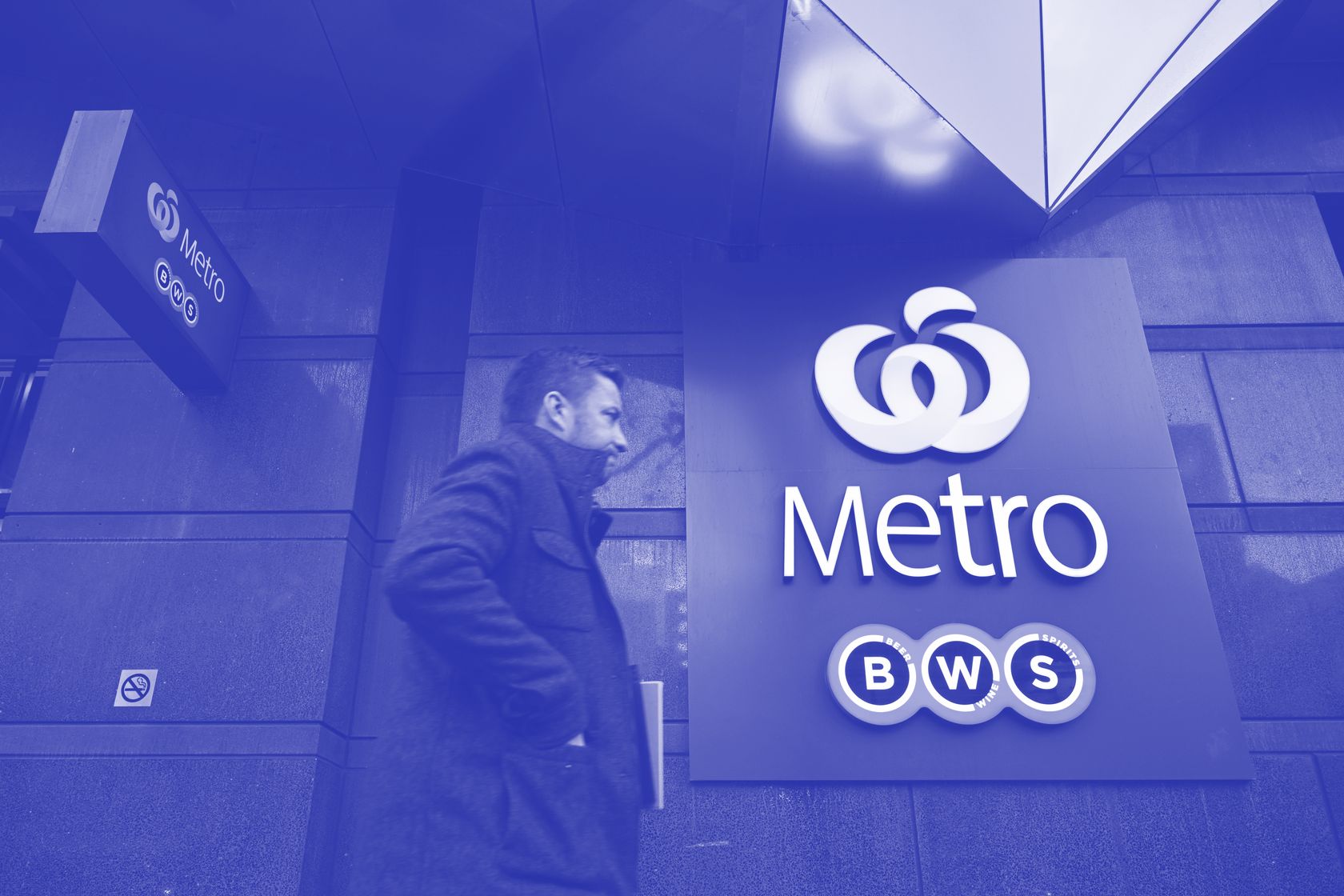
With much of the country on holidays and not a lot of news around, strange things often happen in media and politics at this time of year. But few could have expected 2024 to begin with the prime minister borderline ordering supermarkets to lower their prices and the opposition leader urging a boycott of the country’s biggest grocery chain for making a commercial decision.
This week’s supermarket bashing continues the alarming tendency in Australian politics for our elected officials to depict business (particularly big business) as the bad guy. In recent years we’ve seen it with the mining industry and with the big banks, to varying degrees of justification. Now it’s retailers' turn.

In any case, the two-pronged political attacks on the supermarket sector this week tell you a lot about where things stand in Australian politics. The Labor government, which is facing pressure to deal with a cost-of-living crisis (which would only be worsened by more spending), has announced a review into the grocery code of conduct, despite the fact there is already a broader review into competition in the economy.
Meanwhile, the Coalition launched its own attack on Woolworths on culture wars grounds after the company confirmed it was no longer stocking as much Australia Day merchandise as it did in the past (at least in part because it isn’t selling like it used to).
