Get set for the Media-AI content wars
Generative AI is expected to become a trillion-dollar industry, and the media industry and other content creators are determined to get their share.


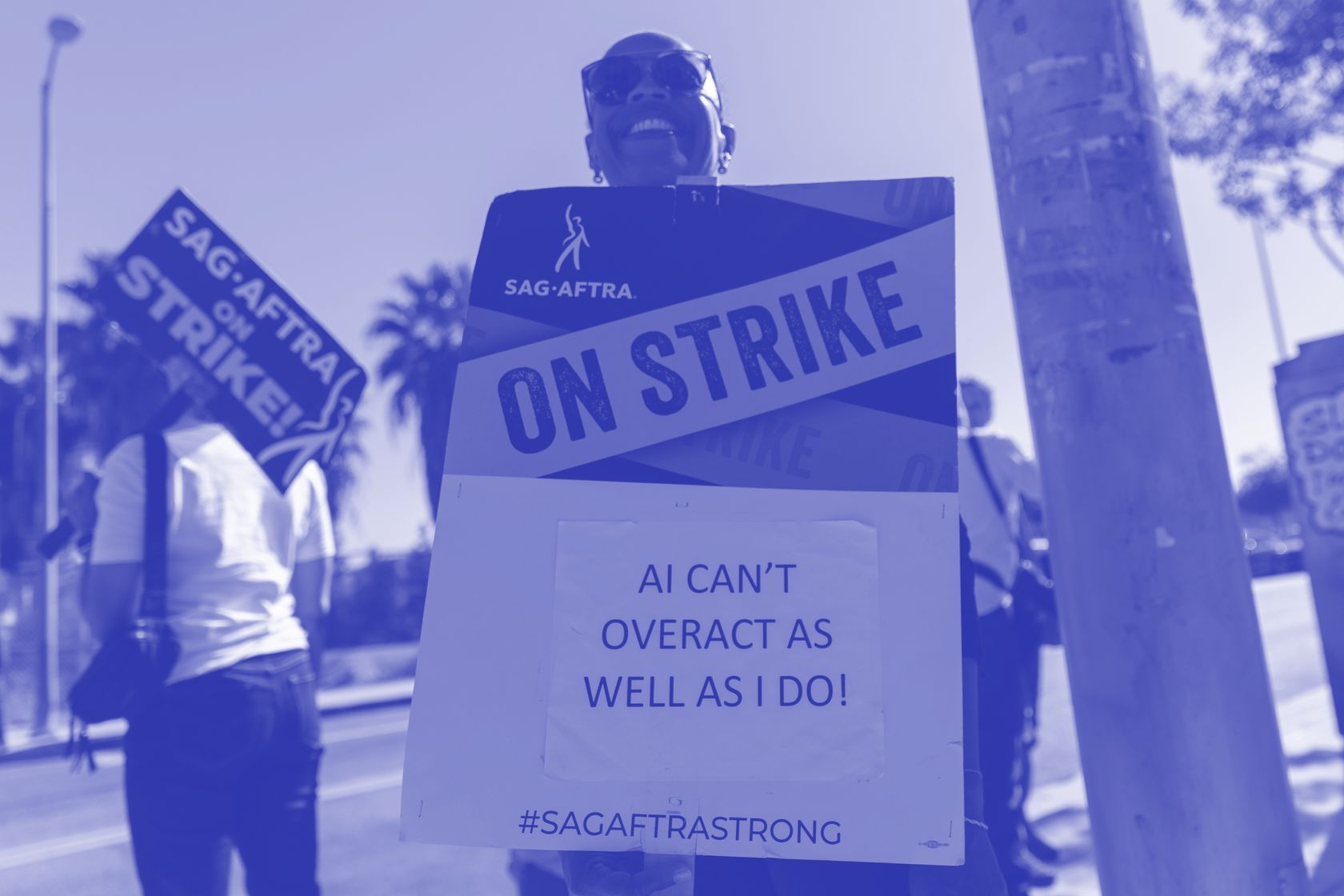
The longest strike in the history of Hollywood finally ended this week. And the last sticking point in the months-long impasse involved generative artificial intelligence.
Actors will soon be back at work — and streaming libraries that were starting to feel thin will soon be restocked — after studios made late concessions to give them more protections over the use of their likenesses on generative AI platforms.

This was an intra-media industry dispute between an actors union and film studios, but it was also the most high-profile evidence yet of how seismic the issue of generative AI has become, particularly for the industries and jobs threatened by it.
The strike may also serve as a mere prelude to what could become the defining battle for the global content creation industry in the years and decades ahead: how creators will be compensated by big tech platforms for the use of their intellectual property on generative AI platforms. Which as we all know by now, can do some pretty powerful things — ranging from written copy to eerily accurate audio and deepfake video.
