Good morning. Here’s what happened overnight and what you need to know today.
1.
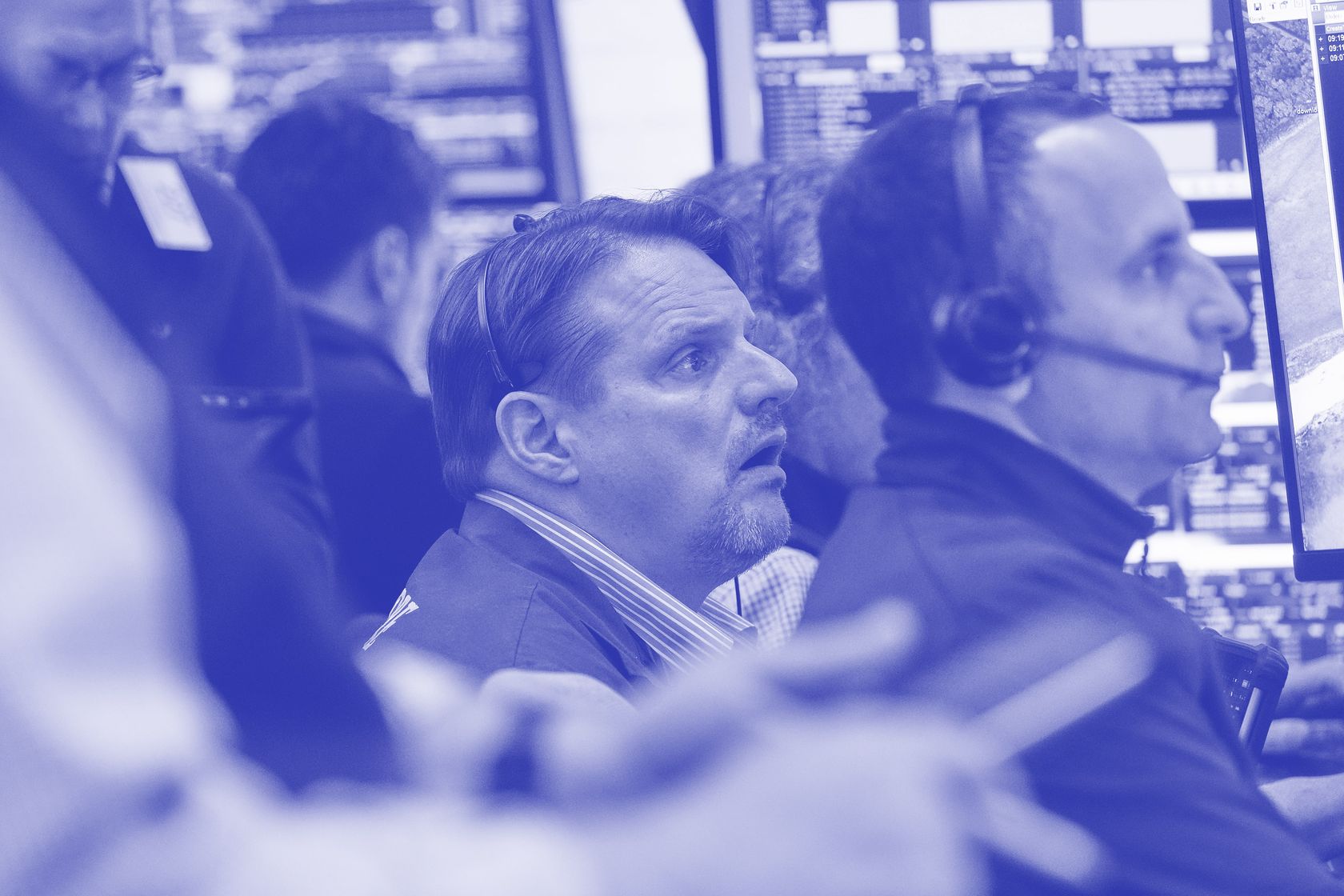
Bond Rout: Global bond markets sold off sharply on Friday, with yields surging from Japan to the UK to the US as fears of a lasting inflationary shock from the Iran war forced traders to reprice interest rate expectations across the board. The 30-year US Treasury yield jumped to 5.12%, its highest closing level since July 2007, according to the WSJ. The 10-year yield also rose 11 basis points to 4.59%. The US government this week sold 30-year debt at a 5% yield for the first time since 2007. Traders in swaps markets are now fully pricing in one rate rise by March next year, with more than a 50% chance of a hike before the end of 2026, up from roughly even odds at the start of the week, according to CME Group data. The worst US wholesale inflation report since 2022 drove the repricing. Japan’s 30-year yield breached 4% for the first time since the bonds were issued in 1999, while 30-year gilt yields hit their highest level this century at 5.85%, compounded by a brewing leadership challenge against prime minister Keir Starmer. Brent crude rose over 3% to USD109.26 a barrel, with the Strait of Hormuz still closed and the Trump-Xi summit producing no concrete steps toward resolution. The S&P 500 fell 1.24%, the Nasdaq 1.54% and the Stoxx Europe 600 1.48%. “It’s all about oil now,” Barclays head of European equities strategy Emmanuel Cau told the FT. “If oil doesn’t fall, the market cannot go up.” (FT)(Bloomberg)(WSJ)
2.
Taiwan question: Donald Trump returned from Beijing having secured no major breakthroughs from his two-day summit with Xi Jinping, and leaving the fate of a USD14 billion ($19.6 billion) US arms sale to Taiwan unresolved. Speaking to reporters on Air Force One, Trump said he had not yet made a decision on the arms package, after Xi warned him privately that any mishandling of Taiwan could lead to conflict between the two powers. Trump said he listened but “made no commitment either way,” and suggested he would speak to Taiwan’s President Lai Ching-te, which the FT noted would be the first call between a sitting US president and a Taiwanese leader. The summit’s biggest deliverable was a Boeing order for 200 planes that fell well short of expectations, with the company’s shares falling for a consecutive day on Friday in New York. The two sides agreed to establish boards on trade and investment to pursue reciprocal tariff reductions on non-sensitive goods, with both expected to identify USD30 billion of products. Xi will visit the US in the autumn. On Iran, Trump said the two leaders shared “similar” views on how the war should end, but Beijing offered no public commitment to pressure Tehran to reopen the Strait of Hormuz. Separately, financial disclosures filed with the US Office of Government Ethics showed Trump made hundreds of millions of dollars in trades in the first quarter, involving securities in Nvidia, Boeing, Palantir, Apple and other companies whose chief executives accompanied him to Beijing. (AP)(FT)(Reuters)(NYT)