Here comes the SunCable
Mike Cannon-Brookes' vision for Australia's most ambitious green energy project contrasts with NSW's efforts to keep coal alive for longer.


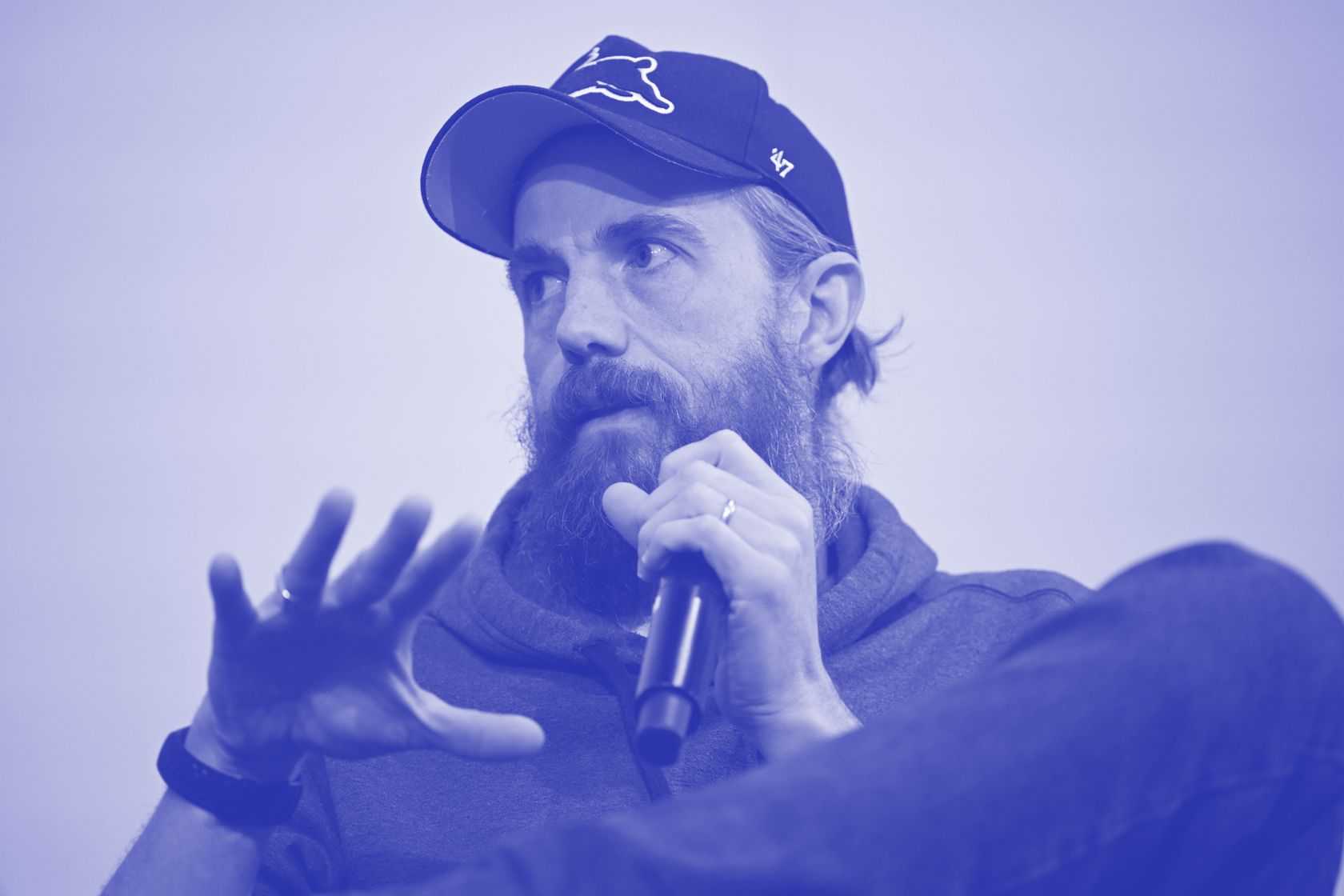
The symbolism is hard to deny. In a week where the NSW government announced it would enter into negotiations to extend the lifespan of the nation’s largest coal-fired power plant, one of the country’s most prominent entrepreneurs declared that his dream for one of the country's biggest ever green energy projects was very much alive and well.
NSW’s frantic attempt to hang onto its oldest and largest “coal clunker”, as some have dubbed it, stands in stark contrast with SunCable owner Grok Ventures’ ambitions to help decarbonise Asia with its proposed record-breaking subsea cable between Darwin and Singapore. It also signifies the enormous divergence in vision between the public and private sectors over the energy transition.

Compared to Mike Cannon-Brookes’ ambitions to marry a large onshore renewable energy project with a transcontinental electricity link, the NSW government's effort to desperately cling onto its coal security blanket is a painful reminder of how slow the public sector can be to change — especially when short-term politics overwhelms long-term considerations.
Today, Cannon-Brookes completed his 100% purchase of SunCable, putting to rest a simmering dispute with his former partner Andrew Forrest’s Squadron Energy, which tipped the fledgling project into administration.
