Houthis vow retaliation after US, UK strikes
Plus: Australia’s debt to reach $1.4 trillion, a think tank study says; Biden sails to victory in South Carolina; International IP row breaks out over chipmaking.

Good morning. Here's what happened overnight and what you need to know today.

1.
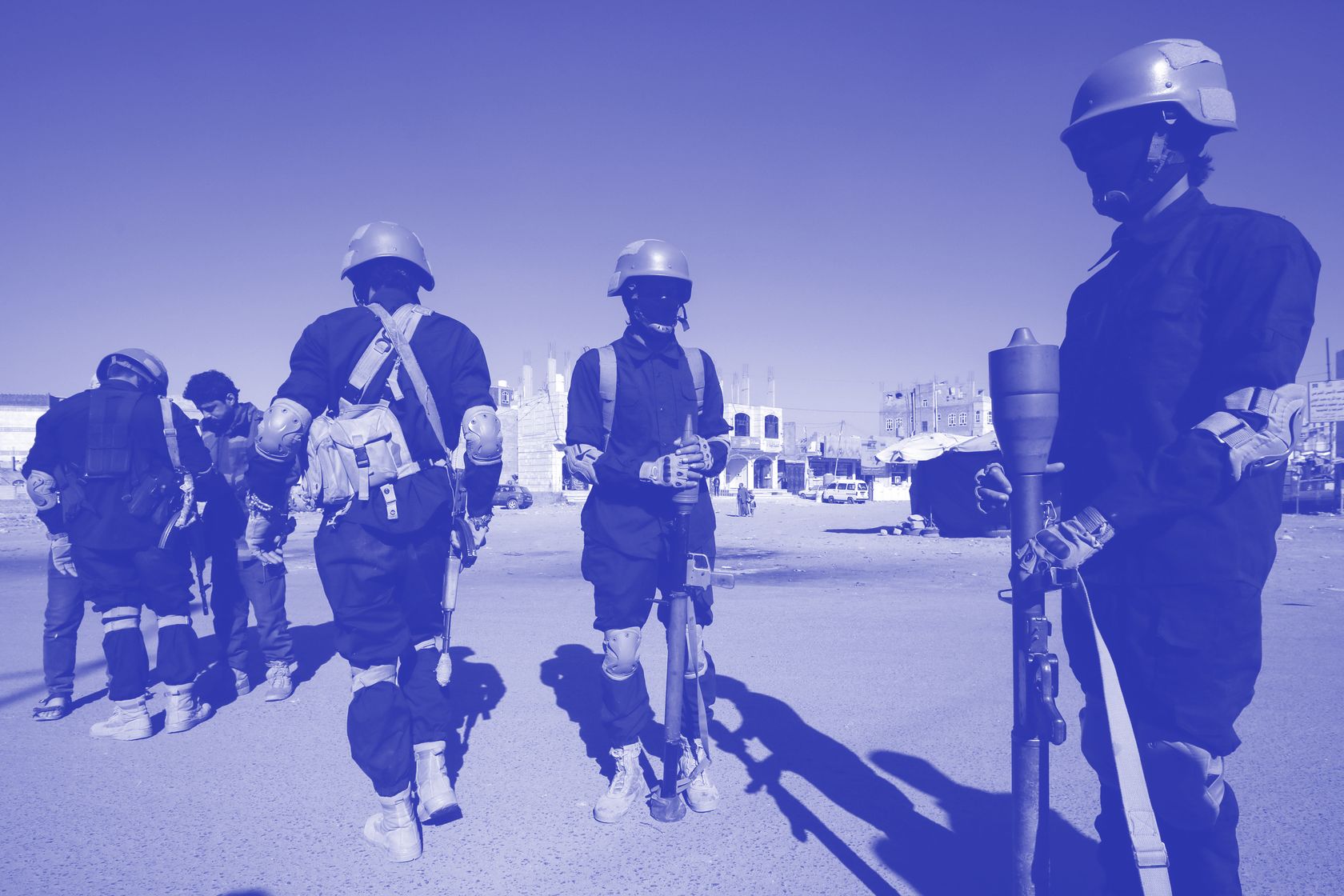
US-Iran conflict: Yemen’s Houthi rebels have vowed to retaliate after US and UK forces undertook a second wave of strikes against the militants over the weekend. The US said 85 targets against Iran-linked forces in Iraq and Syria were targeted on Friday, followed by attacks against 36 Houthi targets in Yemen by UK and US forces on Saturday. The attacks are a response to a drone strike launched against a US military base in Jordan last week, which killed three US troops and injured dozens more. Iran has denied involvement. A spokesperson for the Yemeni Armed Forces wrote on X: “These attacks will not deter us […] and will not pass without response and punishment.” (Bloomberg)(X post)
2.
Debt warning: Australia is on track to reach $1.4 trillion of government debt this financial year, according to a Centre for Independent Studies survey on post-pandemic debt. While commodity prices and increased taxation have allowed the government to avoid hitting a debt “iceberg”, the report warns that state and federal governments need to curb spending on big ticket infrastructure projects to increase the likelihood of surpluses. Should spending be sustained, total government debt is on track to reach as much as $1.75 trillion — 58% of GDP — by 2027, the study found. (AFR)
3.
Dems primary: Biden breezed through the first Democratic presidential primary in South Carolina on Saturday, securing 96.2% of votes in the state. Biden defeated two longshot candidates, Minnesota representative Dean Phillips and author Marianne Williamson. South Carolina is a traditionally Republican state, and will see former President Donald Trump and rival Nikki Haley go head to head at the GOP primary on 24 February. (Associated Press)
4.
IP chip row: A multibillion dollar patent dispute over chip-making materials has broken out between the State University of New York and Japan’s JSR, a company that is set to be owned by a Japanese government-backed fund. The university alleges that Inpria, the US subsidiary of JSR, has been selling chip material products that are based on technology invented by one of its professors. It could seek damages of up to USD4.3 billion ($6.59 billion) for alleged infringement of its intellectual property. (Financial Times)
5.
Scrapping Cash App: After Block cut over 1,000 jobs last week, former staff believe that the planned launch of the Cash App product in Australia may not go ahead. Speaking to Capital Brief anonymously, former employees said that almost all of the Cash App global team in Australia were let go in last week’s layoffs. “Anyone with half a brain can see [the Australian launch] is never going to happen,” a former Block staffer said. A lack of both market fit and business incentive may be behind a decision by Block to scrap launch plans here. (Capital Brief)
6.
New fuel rules: The federal government released a ‘preferred model’ for new standards on vehicle emissions on Sunday, pushing the country closer to greater adoption of electric vehicles. The road-map to fuel efficiency standards was announced last year, and aims to bring Australia in line with other developed economies on fuel efficiency. The government says the new standard will save motorists $100 billion in fuel costs through to 2050 and will be in place from January next year. (Reuters)(Government Press Release)
7.
Skincare listing: Europe could see one of its largest IPOs in years after PE group EQT revived plans to list skincare company Galderma in Switzerland for USD20 billion, according to sources cited by the Financial Times. Galderma was acquired by an EQT-led investor consortium out of Nestle in 2019 and owns brands including Cetaphil. Conditions weren’t right for an IPO when EQT previously considered the listing, as PE groups have struggled to sell portfolio companies on public markets due to higher interest rates. (Financial Times)
8.
Pay bumps: Tesla directors felt pressure to consume drugs around Elon Musk, according to unnamed sources cited by the Wall Street Journal. The article claims that Musk has created a culture of recreational drug-use among his executives, which some people around him feel they need to participate in or risk upsetting the founder. Executives also felt they could lose the social capital that comes with proximity to Musk should they refuse to partake. (Wall Street Journal)
