IMF lifts global growth forecast
Plus: GM, Pfizer and UPS post mixed earnings; US job openings hit highest in three months; Boeing withdraws safety exemption request for 737 Max 7.

Good morning. Here's what happened overnight and what you need to know today.

1.
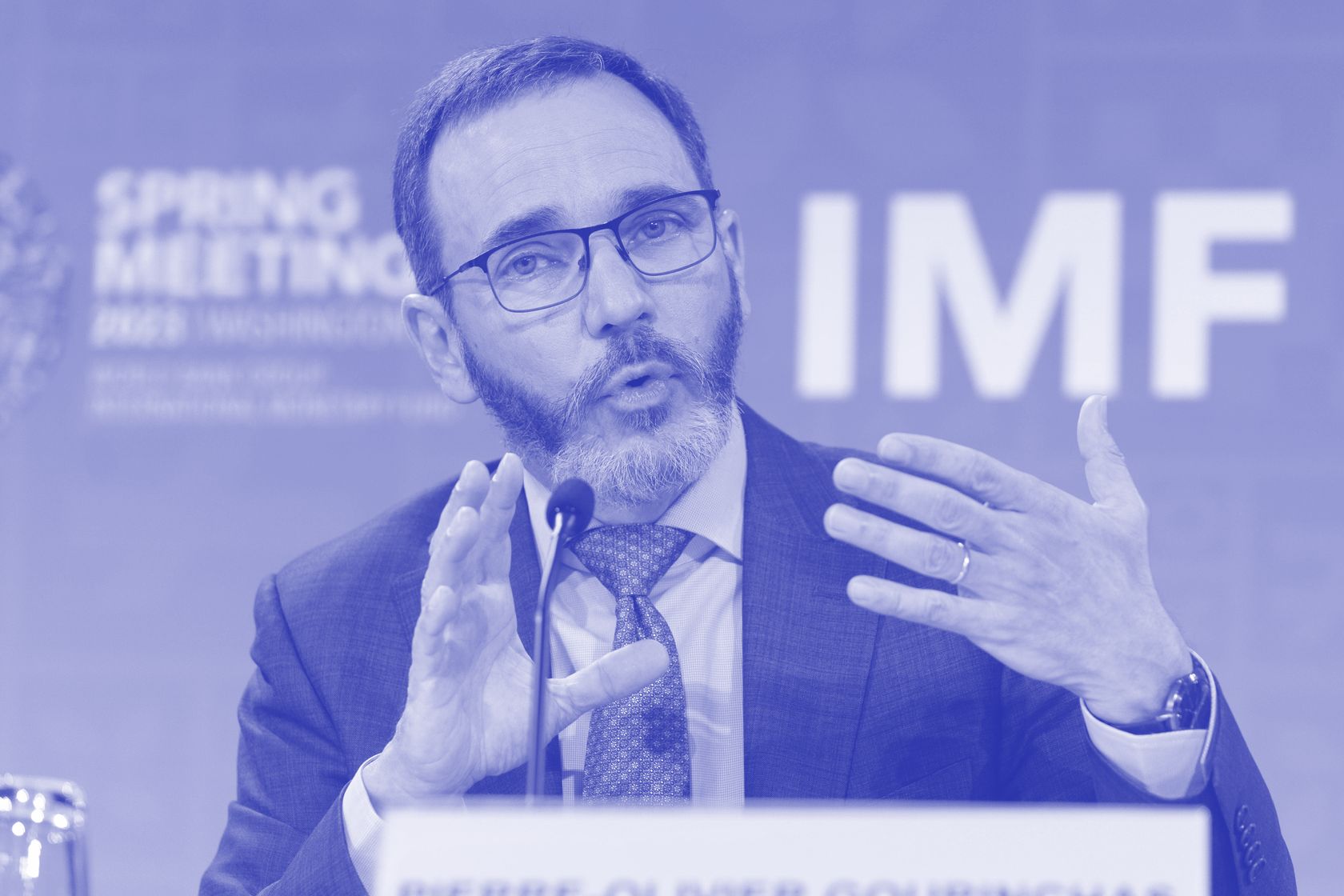
Growth upgrade: The International Monetary Fund has upgraded its global growth forecast, now projecting growth of 3.1% in 2024, up 0.2 percentage points from its previous October projection, followed by expansion of 3.2% in 2025. The IMF cited the resilience of the US economy, fiscal support measures in China and the strength of large emerging and developing countries like India and Brazil as key factors driving global growth. The IMF’s chief economist Pierre Olivier-Gourinchas said the likelihood of a hard landing has decreased. He also told reporters that the UK should avoid making further tax cuts given the existing strain on the country’s finances. (CNBC)(Reuters)
2.
US earnings: General Motors, Pfizer, and UPS posted earnings overnight. While GM’s quarterly profit took a hit from ongoing US worker strikes and EV losses, it is projecting a stronger profit for 2024. GM’s Q4 pretax earnings hit USD1.24 per share, beating estimates of USD1.16 per share. Pfizer also exceeded earnings expectations at USD0.10 per share for Q4, and reaffirmed its 2024 guidance. Shares in UPS sank after the company reported a revenue slide of 7.8% in Q4 to USD24.92 billion, and it said it would reduce its workforce by 12,000 this year. Microsoft and Alphabet are set to report earnings later this morning. (Wall Street Journal)
3.
Jobs data: US job openings increased to a three-month high in December, while fewer Americans quit their roles amid growing caution about their ability to find new or better paid work. The Job Openings and Labor Turnover Survey, known as the JOLTS report, found that vacancies rose to 9 million in December from 8.9 million the month prior, exceeding Bloomberg estimates. The Federal Reserve will be looking for a softening in labour demand ahead of its policy meeting this week. (Bloomberg)
4.
Unfit exemption: Boeing has withdrawn a safety exemption request for its new 737 Max 7 variant, which would have expedited its approval if granted. Boeing asked the Federal Aviation Administration for the temporary exemption in 2023 after discovering a flaw in the jet’s engine anti-ice system. The withdrawal raises questions around when the new Max 7 will be certified by the FAA, adding further stress on Boeing as it shoulders the fallout from a fuselage blowout on one of its 737 Max 9 aircraft earlier this month. (Financial Times)
5.
Energy impairment: EnergyAustralia has booked a $1.1 billion write-down, as it struggles with increased competition and a higher cost of capital. CLP Group, EnergyAustralia’s Hong Kong-based parent company, announced the impairment charge ahead of its full-year results on 26 February. This is the latest hurdle for Australia’s third-largest electricity operator following a wave of financial losses and comes just six months after Macquarie abandoned talks to buy a 50% stake in the energy provider. (The Australian)(AFR)
6.
Model failures: Toyota has urged 50,000 car owners to stop driving and immediately seek repairs on an air bag inflator which is at risk of exploding, potentially killing motorists. The advisory covers certain 2003-2004 Corollas, 2003-2004 Corolla Matrix’s and 2004-2005 RAV4s with Takata air bag inflators. Toyota chair Akio Toyoda today apologised for a spate of scandals that have rocked the Japanese carmaker recently. Just last month, Toyota issued recalls on over 1 million vehicles over airbag safety concerns. (Reuters)(Financial Times)
7.
'Dry powder': Silicon Valley venture capitalists have built up USD300 billion in unspent cash as they shy away from risky bets. US VCs have only spent around half of the USD435 billion they raised during the pandemic funding boom of 2020-2022, leaving a sizeable amount of capital that they are now under pressure to return to backers. As valuations decline, VCs are adopting a much more cautious approach to capital deployment than previously taken. (Financial Times)
8.
Brain chip: Elon Musk has said the first human patient has successfully received a Neuralink chip brain implant, a significant step in the company’s objective to allow humans to control computers with their mind. The implants aim to assist people with traumatic brain injuries to use their thoughts to operate computers. Neuralink last year began recruiting patients with cervical spinal cord injuries and ALS for the trial. Musk said that “initial results show promising neuron spike detection”. (Bloomberg)
