Iran denies involvement in US-base drone strike
Plus: Ryanair CEO offers to buy spare Boeing jets; Turnbull criticises Albanese’s stage 3 cuts; Amazon blames antitrust roadblocks for killing iRobot takeover.

Good morning. Here's what happened overnight and what you need to know today.

1.
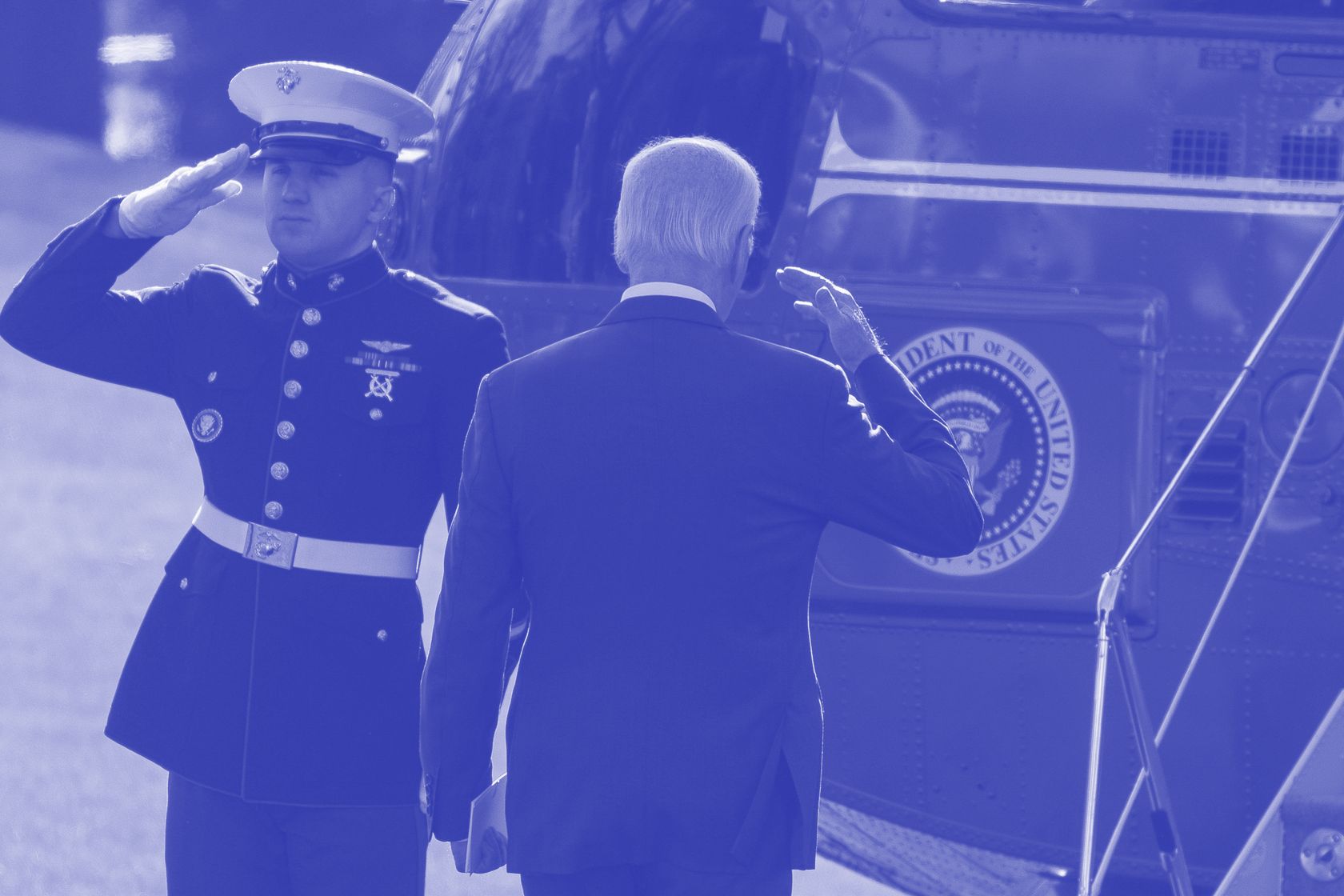
US-Iran tension: Iran has denied involvement in a drone attack on a US base in Jordan which killed three American troops and injured 34 others on Sunday. President Biden blamed the attack on “radical Iranian-backed militant groups,” and the Islamic Resistance in Iraq, an Iran-affiliated group, has claimed responsibility. Iranian Ministry of Foreign Affairs spokesman Nasser Kanaani responded to the claims: “As we have clearly stated before, the resistance groups in the region are responding [to] the war crimes and genocide of the child-killing Zionist regime and…they do not take orders from the Islamic Republic of Iran.” (BBC)(IRNA)
2.
Boeing’s blues: Ryanair has offered to pick up Boeing 737 Max aircraft from the struggling manufacturer should any US airlines cancel existing orders. Last week United Airlines CEO Scott Kirby raised questions around the airline’s order of 250 Boeing 737 Max 10 aircraft, a newer variant of the 737 Max 9 which is the model that drove Boeing into chaos after a mid-air fuselage blowout. Ryanair’s CEO responded to Kirby’s comments, saying: “If United or any other airlines don’t want to take their Max-10 orders, we will be happy to step in.” (Financial Times)
3.
Taxing decision: Former Liberal Prime Minister, Malcolm Turnbull, criticised Albanese’s stage 3 tax overhaul, stating that it creates more disincentives for Australians to earn higher wages. In his first public comments on Labor’s tax move, Turnbull told Capital Brief: "Too much of our tax base is on income. We prioritise capital over savings and assets in our tax system and it’s very hard for young people trying to get ahead.” Turnbull’s comments echo a chorus of business groups who have voiced concern over the tax changes and called for a more fundamental tax reform. (Capital Brief)(AFR)
4.
Competition vacuum: Amazon has pulled its planned USD1.45 billion ($2.2 billion) iRobot takeover deal as it became clear that EU regulators were likely to block the deal on antitrust grounds. Following the failed deal, the Roomba maker’s CEO will step down as part of a restructuring that will cut iRobot’s workforce by 31%. Amazon will pay iRobot a USD94 million termination fee. “Undue and disproportionate regulatory hurdles discourage entrepreneurs, who should be able to see acquisition as one path to success, and that hurts both consumers and competition—the very things that regulators say they're trying to protect," said David Zapolsky, Amazon SVP and general counsel. (Bloomberg)(iRobot Media Statement)
5.
Bloc politics: Hungary signalled that it is ready for a compromise to allow a proposed €50 billion EU aid package for Ukraine to be financed from the bloc’s budget, ahead of an emergency summit on Thursday. Hungary’s Prime Minister Viktor Orban had vowed to block the proposal, but an EU document seen by the FT shows that Brussels planned to target the country’s economic weaknesses, threaten its currency and drive a collapse in investor confidence, should Hungary refuse to lift its veto. (Financial Times)
6.
Evergrande-r losses: Chinese equities lagged behind their regional peers on Monday after a liquidation order was ordered for the heavily indebted property developer Evergrande. Despite the introduction of short selling restrictions on put in place on Monday, the benchmark CSI 300 index lost 0.9%. (Financial Times)
7.
AR rivals: Chinese augmented reality glasses maker, Xreal, has raised USD60 million at a valuation of USD1 billion, as it aims to eclipse the success of future devices from Apple, Meta and Google. The AR company did not disclose the source of the latest funding. CEO Chi Xu said that Xreal can produce between 500,000 and 1 million units this year, with the new investment allowing the manufacture of 2 million units in 2025. Chi plans to take Xreal public in the US within two years. (Bloomberg)
8.
Eyewatering capex: Tesla anticipates that it will spend over USD10 billion in capital expenditures in the current fiscal year, but that this will decline in the following 24 months. Elon Musk’s EV maker said that for the 2025 and 2026 fiscal years, it will target CapEx of USD8-$10 billion. Tesla also flagged that heightened levels of CapEx could arise due to labour availability, supply chain issues, material prices and trade conditions. Last week, Tesla announced its plans to develop a mass-market EV that is due to start production in mid-2025. (Wall Street Journal)(Reuters)
