Is Japan finally back?
The Nikkei 225 recently surpassed its three-decade high and there are long-awaited signs of sustained inflation — but is Japan's resurgence sustainable?


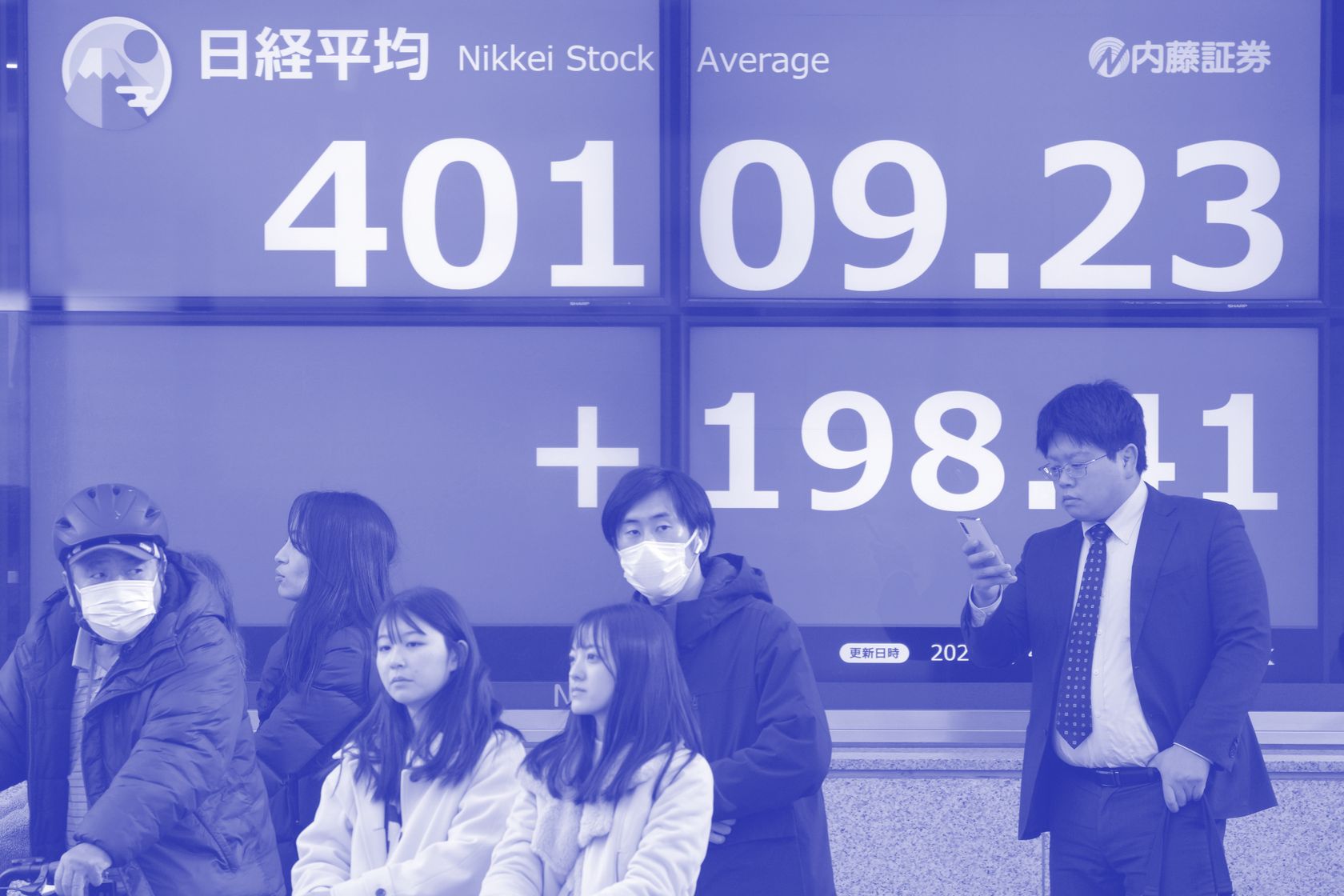
Japan has barely dodged a formal recession, thanks to some data revisions, and the Nikkei 225 has been dumped nearly 5% since hitting a three-decade high last Thursday — including almost 3% today, its worst session in over a year.
Paradoxically though, this doesn’t undermine the emerging “Japan’s back” narrative. The GDP numbers, even massaged as they were, are backward-looking and business investment was robust — promising for the future.

Moreover, there are signs of sustained inflation after the decades of post-bubble economy deflation. Inflation means higher interest rates, which mean a higher yen — and an unfeasibly weak yen was one factor behind the Nikkei surge.
Japan’s asset bubble of the late eighties, which saw Japanese companies buy half of New York, a bunch of Van Goghs and a good slice of the Gold Coast, sits alongside tulips and the South Seas in bubble history. The blue chip Nikkei 225 index hit a peak of more than 38,000 in December 1989.
