After Israel pounds Iran's defences, Biden hopes it is end of escalation
Plus: Australian National University in $200m financial hole; US in criminal probe of crypto giant Tether; Japan’s ruling coalition faces major blow.
Good morning. Here's what happened overnight and what you need to know today.
Get Standup in your inbox Signed up to Standup
1.
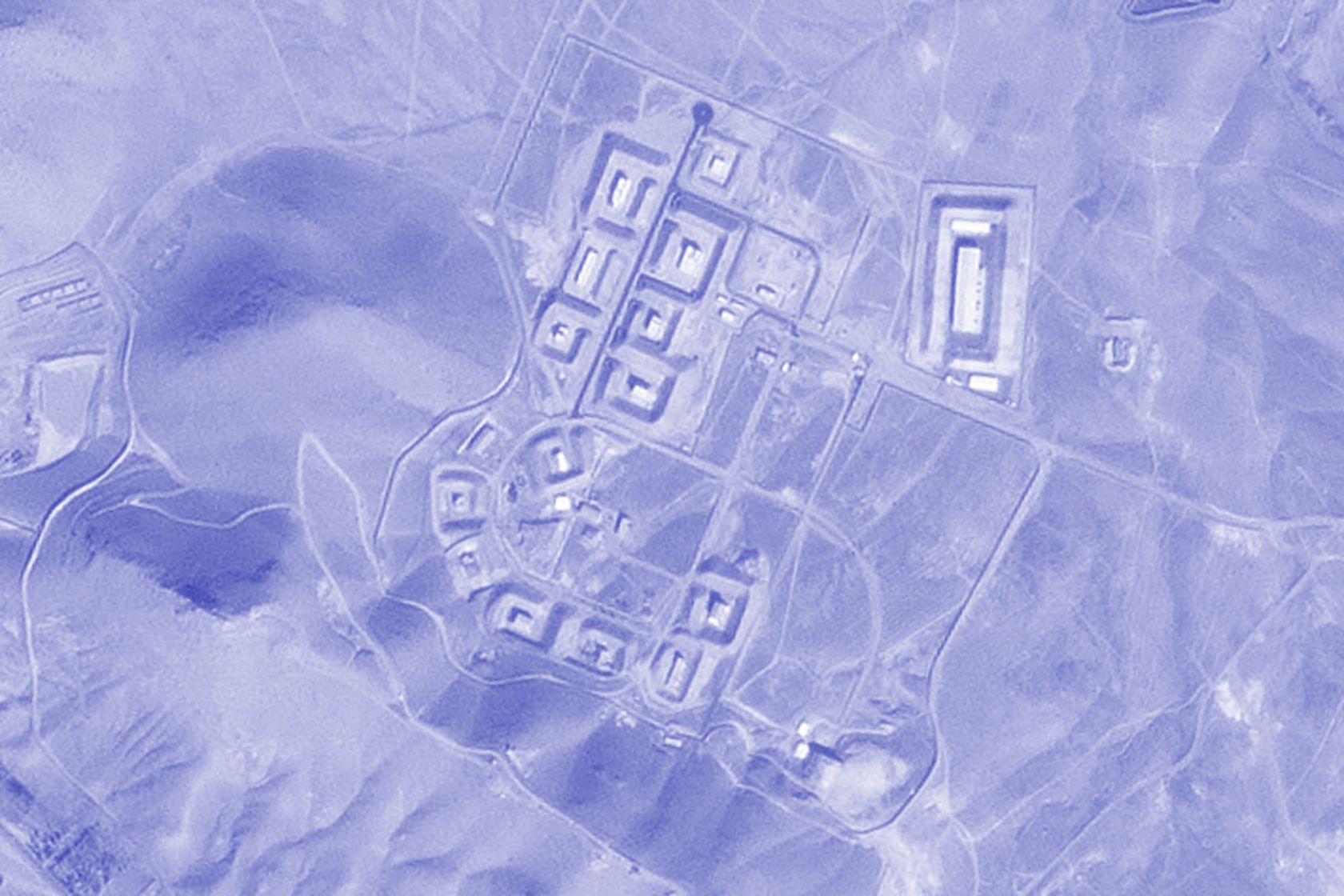
Iran hit: Israel airstrikes “hit hard” at Iran’s air defences and missile production sites over the weekend, Israeli Prime Minister Benjamin Netanyahu said Sunday. Iranian officials said the country had the right to respond to the attack, which killed four soldiers and caused some damage. But Iran’s Supreme Leader Ayatollah Ali Khamenei, responded by saying the attack “should neither be downplayed nor exaggerated,” while not appearing to explicitly call for retaliation, according to The New York Times which cited local media. The strikes hit targets in multiple provinces but avoided Iran’s oil industry and nuclear sites. US President Joe Biden told reporters on Sunday “I hope that this is the end.” Meanwhile, Egypt proposed a 2-day cease-fire between Israel and Hamas in Gaza, and the release of 4 hostages, AP reported. (NYT)(Reuters)(The Associated Press)
2.
ANU crunch: Australian National University is facing a financial crisis, with Vice-Chancellor Genevieve Bell leading a $250 million cost-cut, including 600 job cuts. The university, initially buffered by a one-off hailstorm payout, now anticipates a $200 million deficit for 2024, attributed to COVID-19, international student caps, and structural issues inherited from Nobel laureate Brian Schmidt’s tenure. Bell's attempt to encourage staff to forgo a December pay rise met backlash, despite her own 10% pay cut. And as Capital Brief reports Chancellor Julie Bishop’s comments blaming staff inefficiency only helped to spark union outrage, with the NTEU pursuing legal action over alleged enterprise agreement breaches. Critics have pointed issues like a top-heavy staff structure and infrastructure mismanagement, with calls for accountability as restructuring progresses. (Capital Brief)

3.
Tether ties: The US government is investigating cryptocurrency firm Tether for possible breaches of anti-money laundering and sanctions laws, The Wall Street Journal reported citing unnamed sources. The criminal investigation is examining whether its token, also called tether, has been used to finance drug trafficking, terrorism and other illegal activities, the paper said. The investigation is being undertaken by prosecutors at the Manhattan US attorney’s office, while the Treasury Department is considering sanctions on Tether due to its cryptocurrency’s use by US-sanctioned individuals and groups, including Hamas and Russian arms dealers. Criminal charges against Tether would be bad news for Cantor Fitzgerald, the paper said, the firm managing much of Tether’s USD80 billion reserves. Tether told the paper it wasn’t aware of a broad investigation. “To suggest that Tether is somehow involved in aiding criminal actors or sidestepping sanctions is outrageous,” the company told the paper. (WSJ)(Capital Brief)
4.
Ishiba iced: Japan’s long-ruling Liberal Democratic Party (LDP), led by Prime Minister Shigeru Ishiba, and its junior coalition partner Komeito suffered the worst election result since 2009 on Sunday’s national election, losing its parliamentary majority amid voter discontent over inflation and scandals. With all but 20 of the 465 seats to be accounted for, exit polls by the NHK public television showed the coalition took 209 seats in the lower house, Reuters reported. That is down from the 279 seats they previously held and far from the 233 seats required to control the house, known as the Diet. The main opposition, Constitutional Democratic Party of Japan, emerged as the night’s big winner, so far emerging with 143 seats from 98 as voters penalized Ishiba's party. The result raises uncertainty over the make-up of the next government which could impact Japan’s political and economic stability, with Japanese stocks and the yen expected to fall. (Reuters)(WSJ)(BBC)
5.
Musk’s irony: South African-born Elon Musk denied working illegally in the US in the 1990s after The Washington Post reported he lacked proper authorization while founding Zip2. Responding to criticism from President Biden, Musk, who obtained a Canadian citizenship through his mother, said he held a J-1 exchange visitor visa that later transitioned to an H1-B visa for temporary employment. Biden had questioned Musk’s push for strict immigration policies given his own alleged unauthorized work history. The Post report, based on interviews, documents and Musk’s past comments, highlighted how his startup ambitions conflicted with immigration laws, creating possible legal risks for Zip2’s IPO path. Former associates said Musk claimed to be on a student visa, which raised concerns he might be deported, prompting urgent visa applications. Zip2 ultimately secured NAFTA visas for Musk and his brother. (The Washington Post)
6.
AI oasis: Saudi Aramco’s venture arm, Wa’ed Ventures, earmarked USD100 million ($151.36 million) for artificial intelligence investments to advance Saudi Arabia’s role in the global AI sector. Guided by an advisory board of former Meta and Amazon employees, Wa’ed Ventures plans to deploy the funding over three years, targeting early-stage AI startups, Bloomberg reported citing the company. The USD500 million venture firm has invested USD15 million in South Korean chipmaker Rebellions and participated in funding rounds for platforms like aiXplain and Tenderd. The AI push is in line with Saudi Arabia’s Vision 2030, aimed at economic diversification and regional tech leadership, as the country competes with the UAE in establishing data centres and attracting tech talent. (Bloomberg)
7.
LNP’s moment: Queensland's LNP celebrated a sweeping victory over the weekend, ending nearly a decade of Labor rule in the state, with David Crisafulli set to lead as Premier. The LNP capitalised on regional concerns, gaining at least 13 seats from Labor, thanks to a crime-focused campaign. On Sunday, Crisafulli dismissed Labor's top bureaucrat, Department of Premier and Cabinet Director General Mike Kaiser as he prepared to prioritise "adult crime, adult time" legislation before Christmas, The Australian reported. Outgoing premier Steven Miles, who said would stay on as opposition leader, on Sunday conceded his party had “lost connection” with regional Queenslanders. Labor reclaimed South Brisbane from the Greens but lost key seats in strongholds like Rockhampton and Townsville. Anthony Albanese said the Greens, who retained only Maiwar, had faced backlash for being “obstructionist.” (SMH)(The Australian)(ABC)
8.
Bezos endorsement: Jeff Bezos’ decision for The Washington Post to withhold its endorsement in the 2024 US presidential race has ignited backlash from readers, staff and notable former employees. The Post’s editorial board had prepared an endorsement for Kamala Harris, which was scrapped, marking the paper’s first non-endorsement since 1988. Publisher Will Lewis, citing independence, framed it as a return to journalistic roots, though the guild saw it as management interference. Columnist Robert Kagan resigned over the decision, and veteran journalists Bob Woodward and Carl Bernstein criticized the decision, saying it “ignores the Washington Post’s own overwhelming reportorial evidence on the threat Donald Trump poses to democracy.”(FT)(NYT)(The Guardian)